

Dream city
Autor*innen
Mehr zum Buch
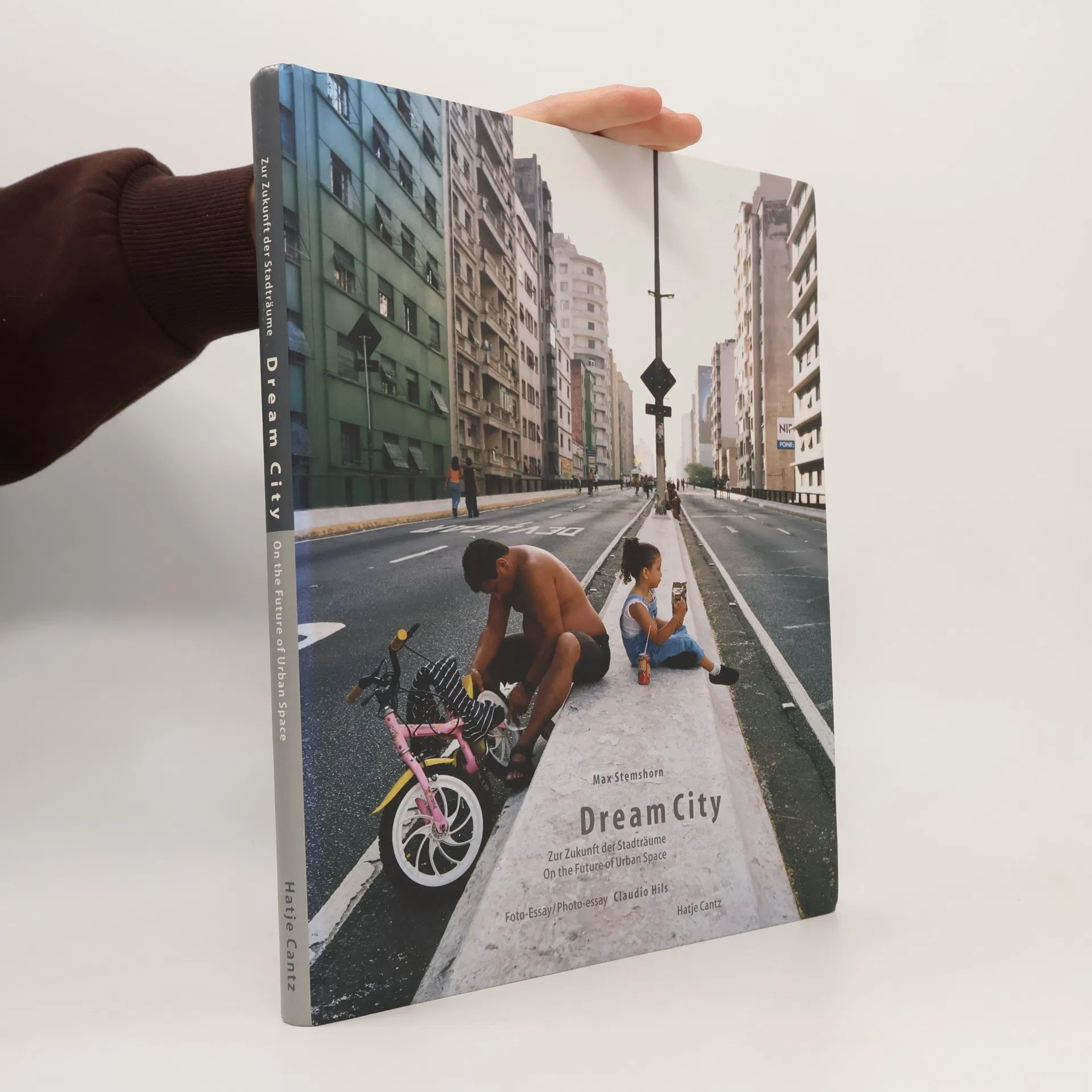
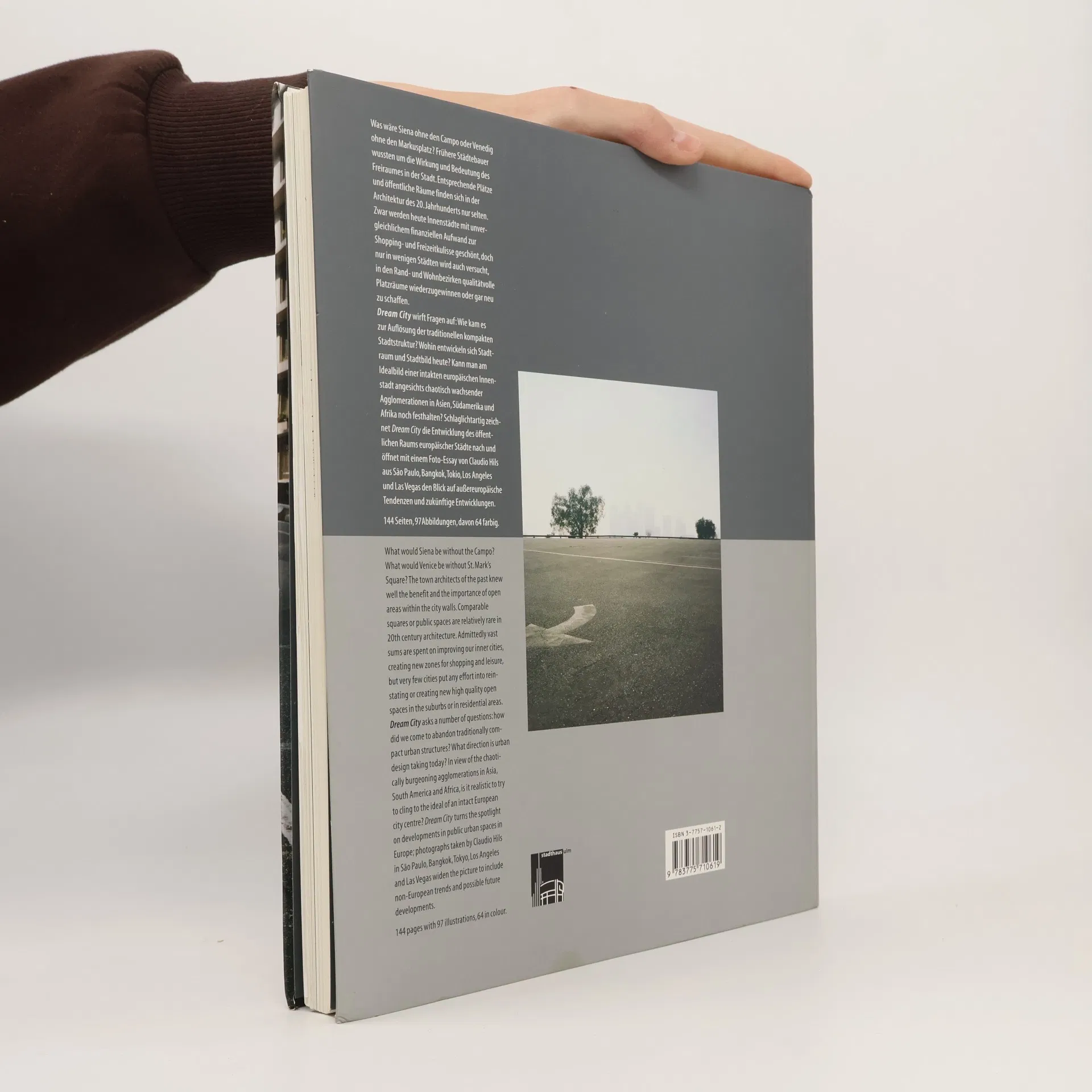
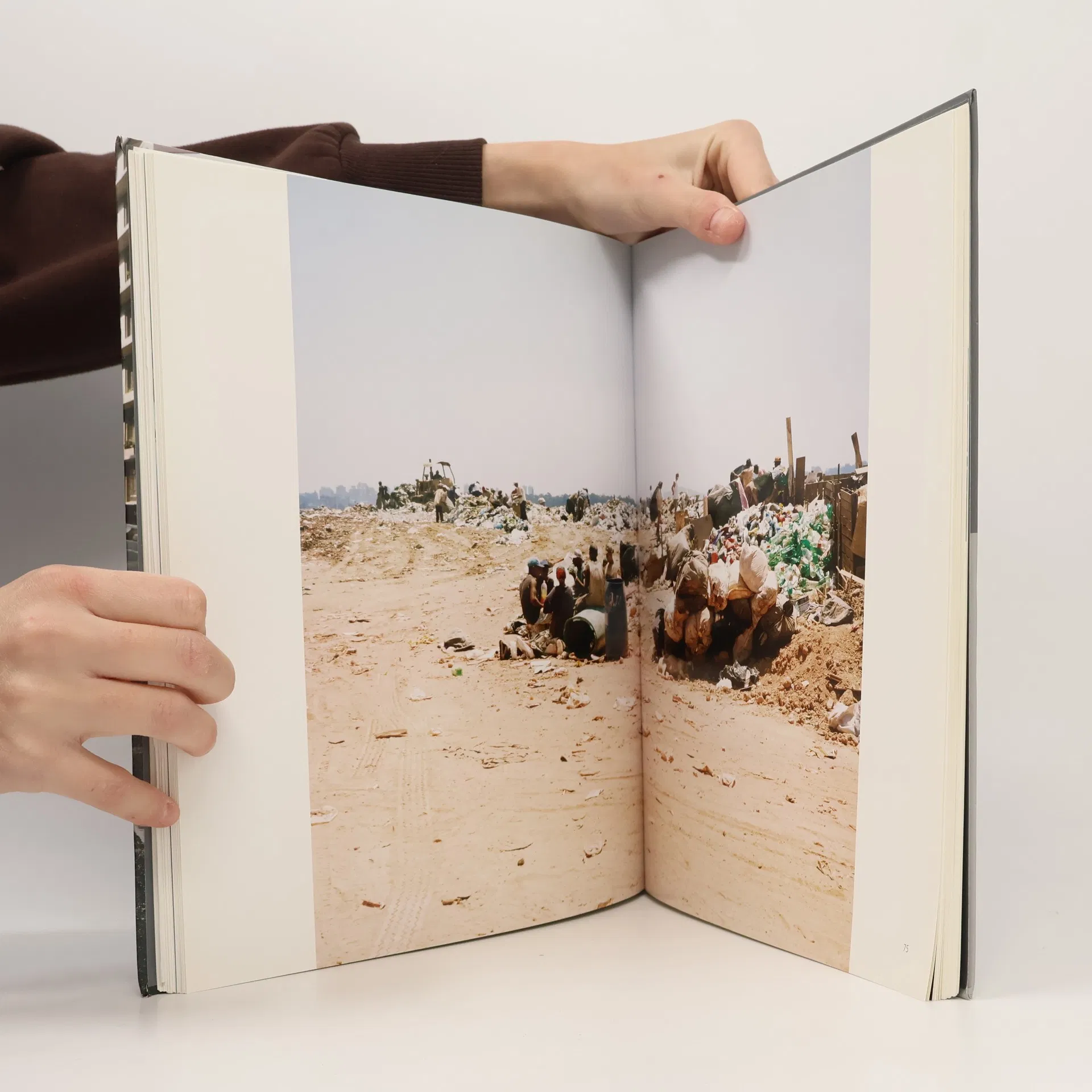
What would Venice be without St. Mark's Square? Town planners of the past knew well the benefits and importance of open areas within the city walls. However, comparable squares or public spaces are relatively rare in 20th-century urban planning and design. While vast sums are spent on improving inner cities, creating new zones for shopping and leisure, very few cities put any effort into reviving or making high-quality open spaces in suburbs or residential areas. Dream City asks a number of how did we come to abandon traditionally compact urban structures? What direction is urban design taking today? What alternative perspectives are there to be found among non-European town planners? In view of the rapid and often chaotic growth of urban areas in Asia, South America, and elsewhere, is it realistic to cling to the architecural ideal of an intact European city center? Dream City considers deveopments in urban public space in Europe, while at the same time presenting images of Sao Paolo, Bangkok, Tokyo, and Los Angeles to widen the picture and take in new trends and possible future developments.
Buchkauf
Dream city, Max Stemshorn
- Sprache

- Erscheinungsdatum
- 2001
- Einband
- (Hardcover),
- Buchzustand
- Gebraucht - Sehr gut
- Preis
- 6,49 €inkl. MwSt.
Keiner hat bisher bewertet.
- Titel
- Dream city
- Sprache
- Englisch
- Autor*innen
- Max Stemshorn
- Verlag
- Hatje Cantz
- Erscheinungsdatum
- 2001
- Einband
- Hardcover
- Seitenzahl
- 144
- ISBN10
- 3775710612
- ISBN13
- 9783775710619
- Reihe
- Schlagwörter
- Architektur
- Beschreibung
- What would Venice be without St. Mark's Square? Town planners of the past knew well the benefits and importance of open areas within the city walls. However, comparable squares or public spaces are relatively rare in 20th-century urban planning and design. While vast sums are spent on improving inner cities, creating new zones for shopping and leisure, very few cities put any effort into reviving or making high-quality open spaces in suburbs or residential areas. Dream City asks a number of how did we come to abandon traditionally compact urban structures? What direction is urban design taking today? What alternative perspectives are there to be found among non-European town planners? In view of the rapid and often chaotic growth of urban areas in Asia, South America, and elsewhere, is it realistic to cling to the architecural ideal of an intact European city center? Dream City considers deveopments in urban public space in Europe, while at the same time presenting images of Sao Paolo, Bangkok, Tokyo, and Los Angeles to widen the picture and take in new trends and possible future developments.