

Mehr zum Buch
The effects of the Nazi regime on the lives of mathematicians ranged from limitations on foreign contact to power struggles that rattled entire institutions, from changed work patterns to military draft, deportation, and death. Based on extensive archival research, Mathematicians under the Nazis shows how these mathematicians, variously motivated, reacted to the period's intense political pressures. It details the consequences of their actions on their colleagues and on the practice and organs of German mathematics, including its curricula, institutions, and journals. Throughout, Segal's focus is on the biographies of individuals, including mathematicians who resisted the injection of ideology into their profession, some who worked in concentration camps, and others (such as Ludwig Bieberbach) who used the "Aryanization" of their profession to further their own agendas. Some of the figures are no longer well known; others still tower over the field. All lived lives complicated by Nazi power.
Buchkauf
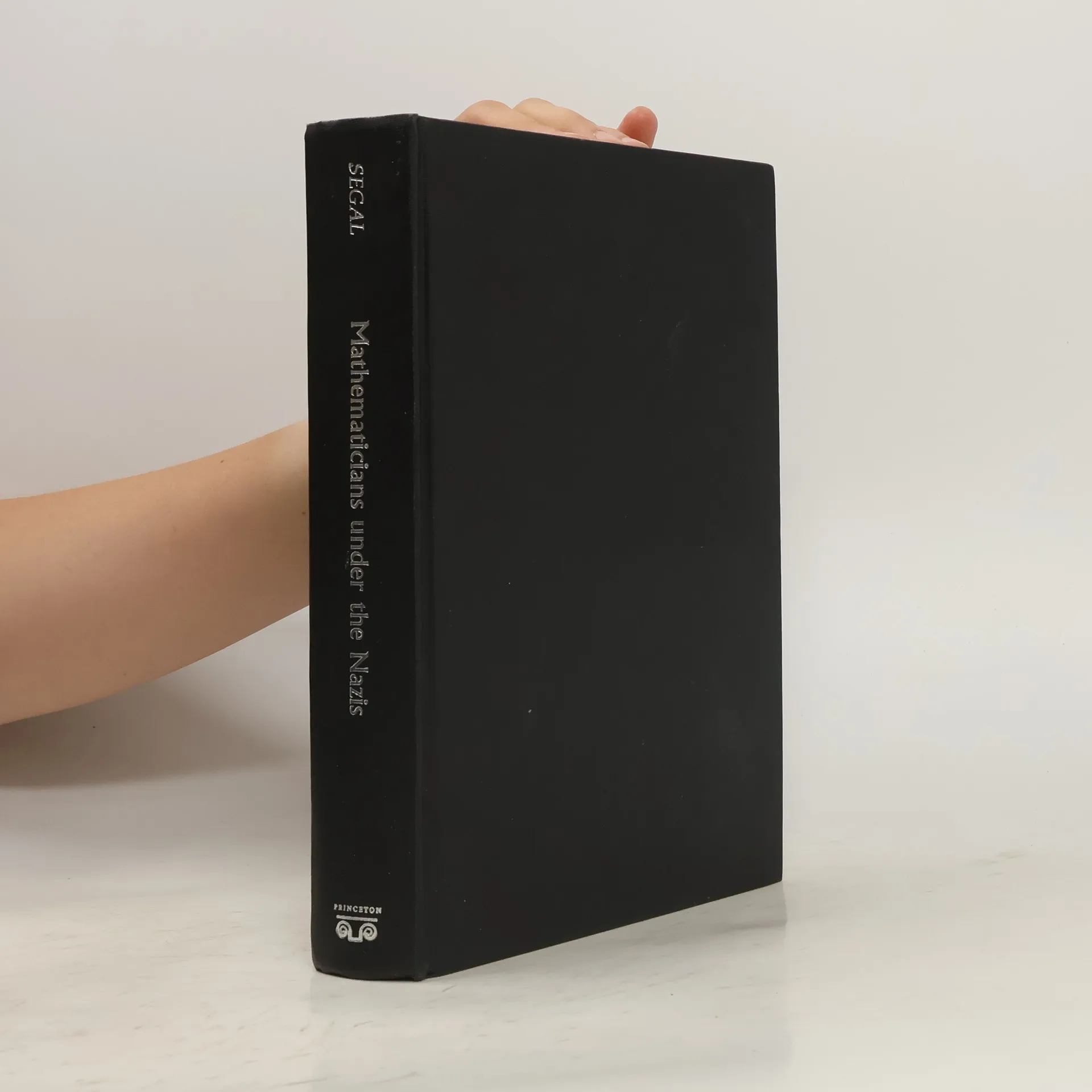
Mathematicians under the Nazis, Sanford L. Segal
- Sprache

- Erscheinungsdatum
- 2003
- Einband
- (Hardcover)
Hier könnte deine Bewertung stehen.
- Titel
- Mathematicians under the Nazis
- Sprache
- Englisch
- Autor*innen
- Sanford L. Segal
- Erscheinungsdatum
- 2003
- Einband
- Hardcover
- Seitenzahl
- 536
- ISBN10
- 069100451X
- ISBN13
- 9780691004518
- Reihe
- Schlagwörter
- Bewertung
- 4,6 von 5 Sternen
- Beschreibung
- The effects of the Nazi regime on the lives of mathematicians ranged from limitations on foreign contact to power struggles that rattled entire institutions, from changed work patterns to military draft, deportation, and death. Based on extensive archival research, Mathematicians under the Nazis shows how these mathematicians, variously motivated, reacted to the period's intense political pressures. It details the consequences of their actions on their colleagues and on the practice and organs of German mathematics, including its curricula, institutions, and journals. Throughout, Segal's focus is on the biographies of individuals, including mathematicians who resisted the injection of ideology into their profession, some who worked in concentration camps, and others (such as Ludwig Bieberbach) who used the "Aryanization" of their profession to further their own agendas. Some of the figures are no longer well known; others still tower over the field. All lived lives complicated by Nazi power.