

Mehr zum Buch
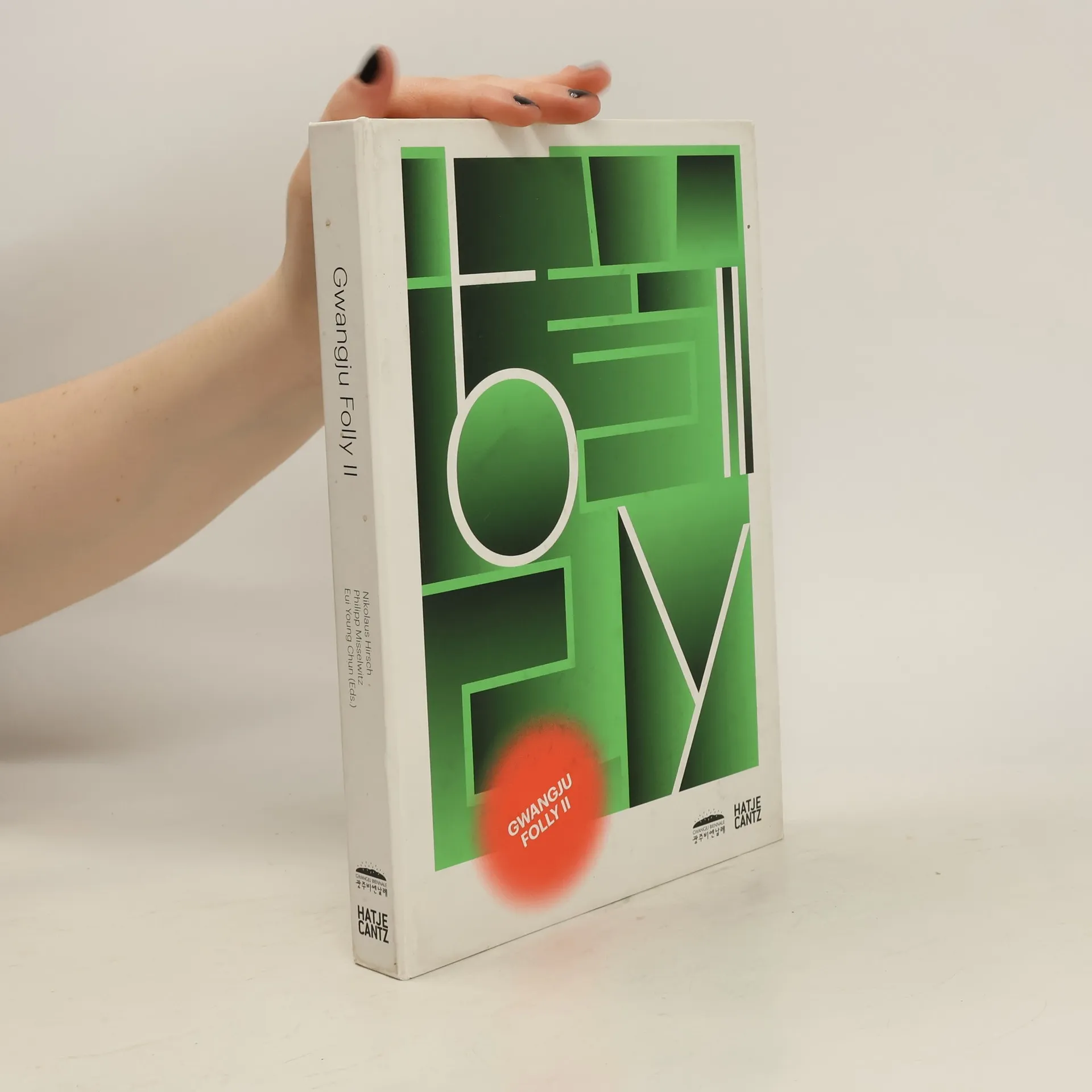
Throughout history, follies have been used widely in architecture, visual arts, and literature as a provocation, a frivolous diversion or strategic place of madness and satire freed from the constraints of societal norms. Since their initial inception in landscape gardens, follies have been used as medium or object, oscillating between aesthetic autonomy and social-political potential. Placed in contemporary cities, follies become critical tools to test the constitution and transformative potential of public space. Revisiting some of these historic sites, a series of eight newly commissioned follies forge links between every day uses and political practice linking contemporary Gwangju and a global political arena. The book takes the form of a glossary, situating the eight new Follies within a broader cultural discourse and presents the projects curated by Nikolaus Hirsch, Philipp Misselwitz, and Eui Young Chun as “foolosophy.”
Buchkauf
Folly, Nikolaus Hirsch
- Sprache

- Erscheinungsdatum
- 2013
- Einband
- (Hardcover)
Hier könnte deine Bewertung stehen.
- Titel
- Folly
- Sprache
- Englisch
- Autor*innen
- Nikolaus Hirsch
- Verlag
- Hatje Cantz
- Erscheinungsdatum
- 2013
- Einband
- Hardcover
- Seitenzahl
- 244
- ISBN10
- 3775735534
- ISBN13
- 9783775735537
- Reihe
- Schlagwörter
- Architektur
- Bewertung
- 3 von 5 Sternen
- Beschreibung
- Throughout history, follies have been used widely in architecture, visual arts, and literature as a provocation, a frivolous diversion or strategic place of madness and satire freed from the constraints of societal norms. Since their initial inception in landscape gardens, follies have been used as medium or object, oscillating between aesthetic autonomy and social-political potential. Placed in contemporary cities, follies become critical tools to test the constitution and transformative potential of public space. Revisiting some of these historic sites, a series of eight newly commissioned follies forge links between every day uses and political practice linking contemporary Gwangju and a global political arena. The book takes the form of a glossary, situating the eight new Follies within a broader cultural discourse and presents the projects curated by Nikolaus Hirsch, Philipp Misselwitz, and Eui Young Chun as “foolosophy.”