

Mehr zum Buch
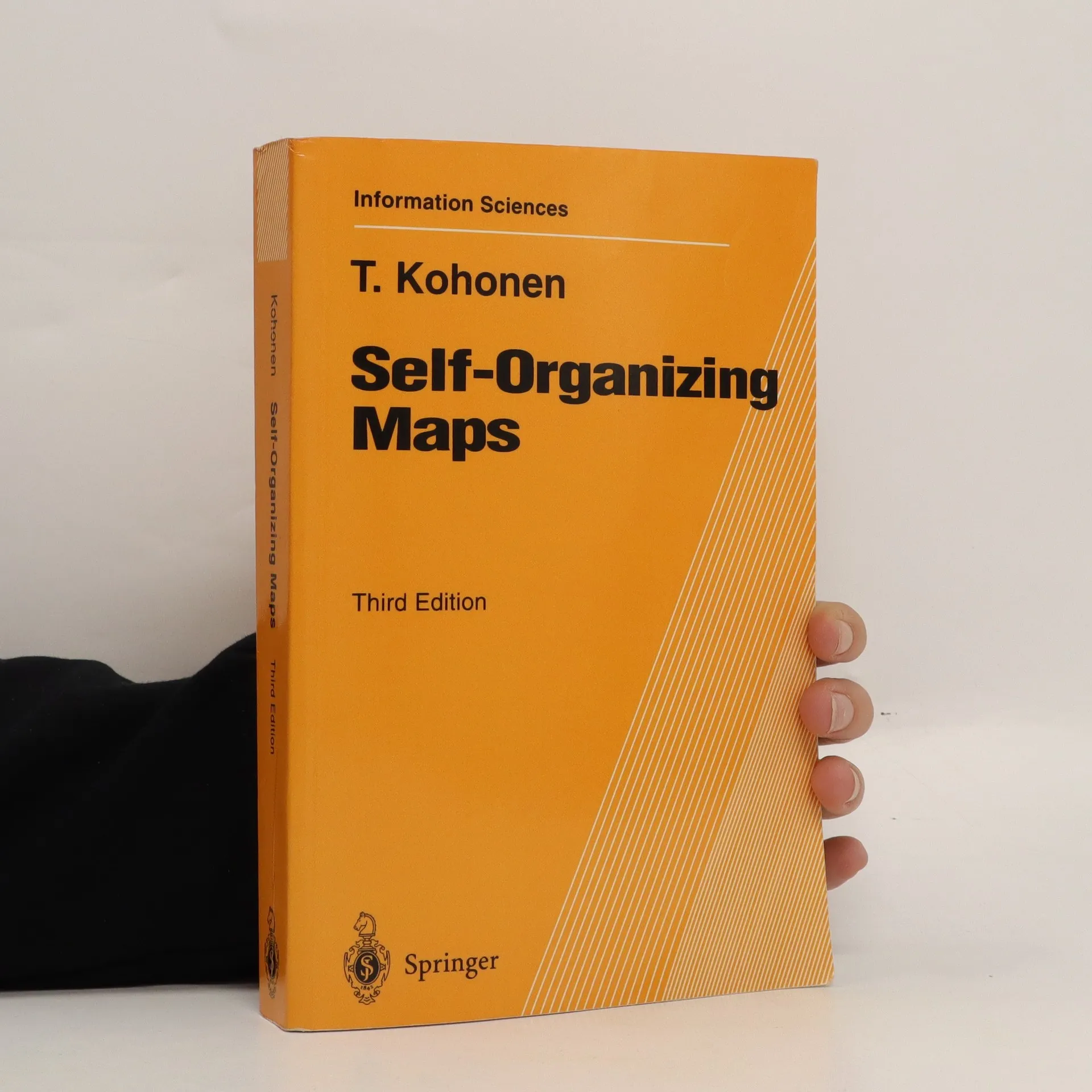
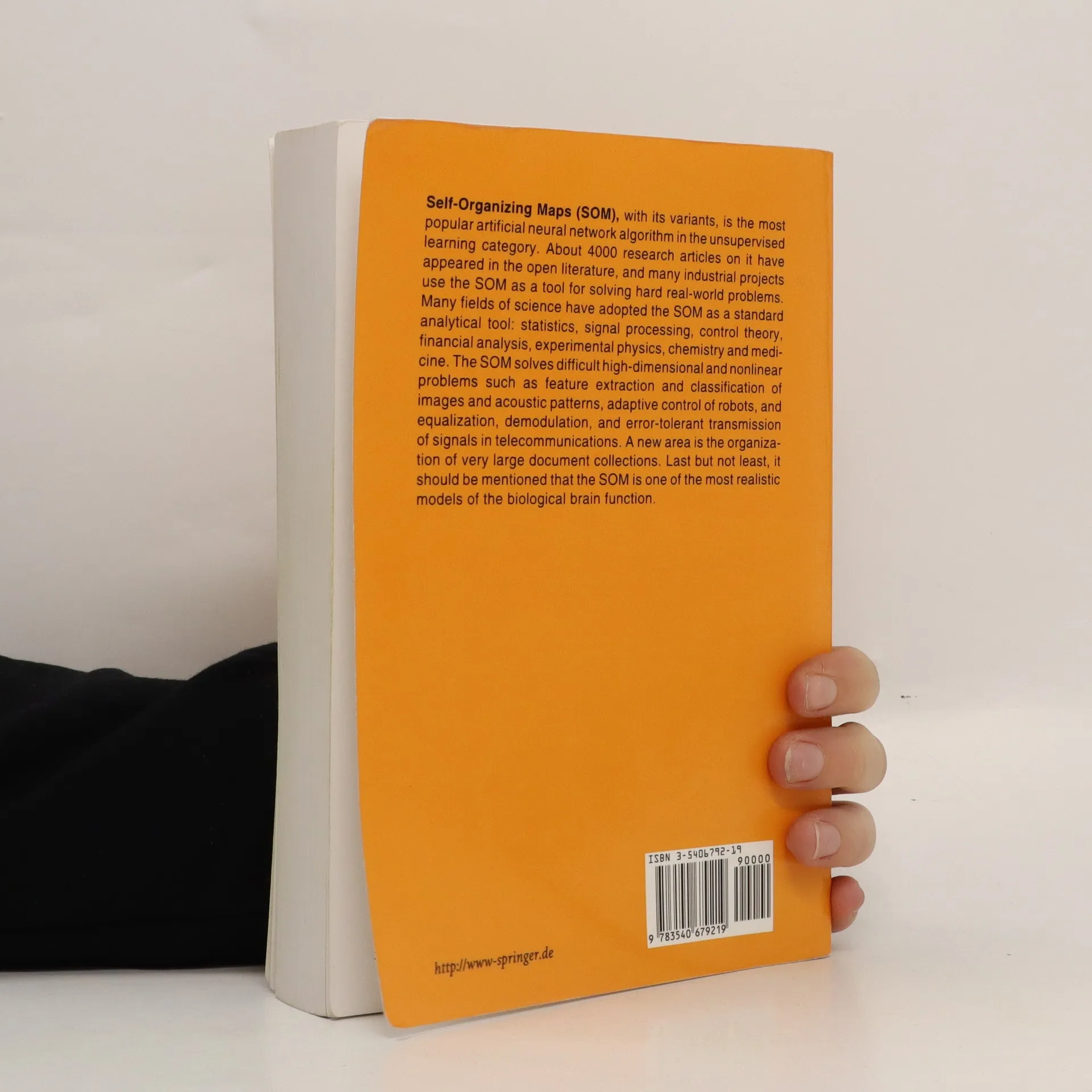
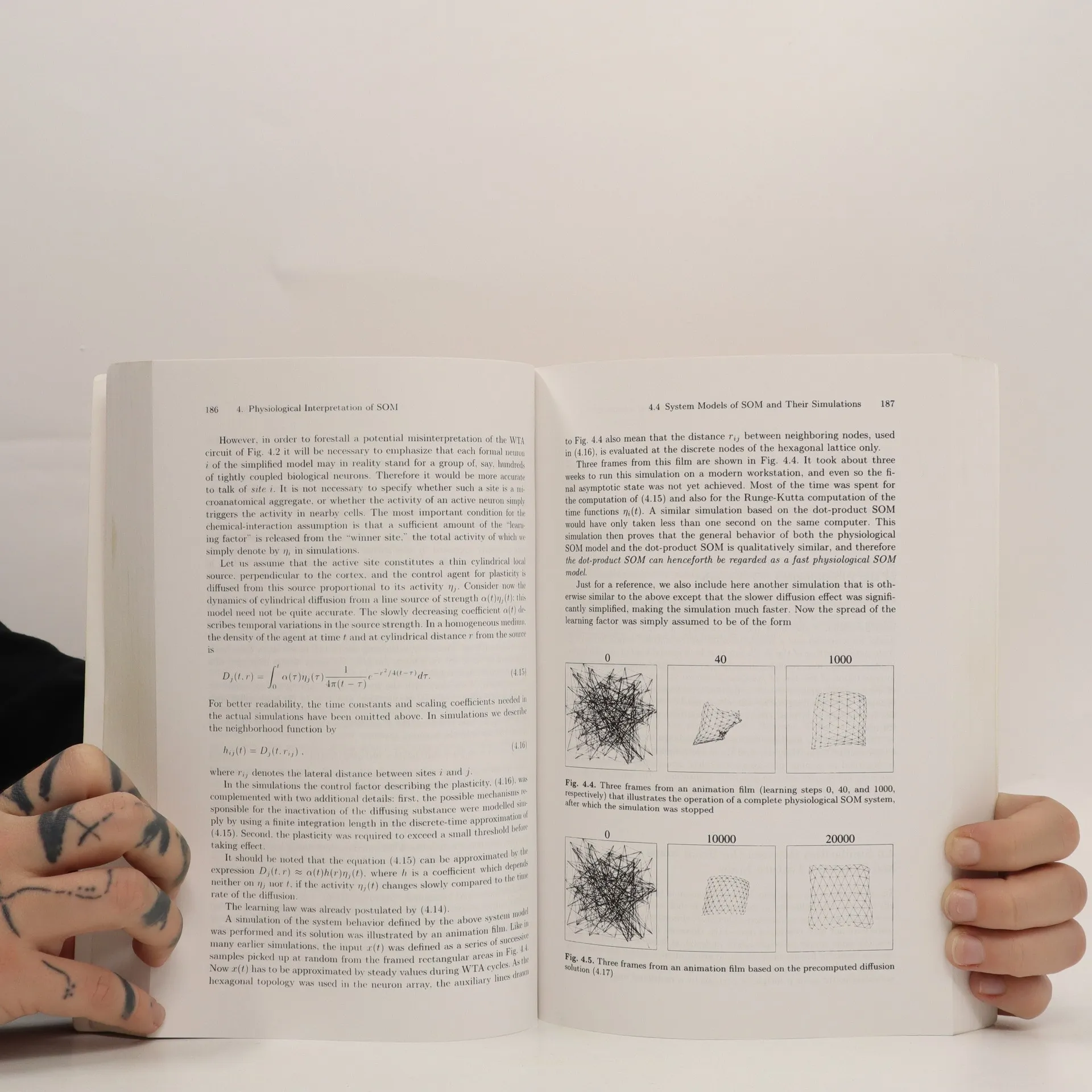
The Self-Organizing Map (SOM), with its variants, is the most popular artificial neural network algorithm in the unsupervised learning category. About 4000 research articles on it have appeared in the open literature, and many industrial projects use the SOM as a tool for solving hard real world problems. Many fields of science have adopted the SOM as a standard analytical statistics, signal processing, control theory, financial analyses, experimental physics, chemistry and medicine. This new edition includes a survey of over 2000 contemporary studies to cover the newest results. Case examples are provided with detailed formulae, illustrations, and tables. Further, a new chapter on software tools for SOM has been included whilst other chapters have been extended and reorganised.
Buchkauf
Self-organizing maps, Teuvo Kohonen
- Sprache

- Erscheinungsdatum
- 2000
- Einband
- (Paperback)
Hier könnte deine Bewertung stehen.
- Titel
- Self-organizing maps
- Sprache
- Englisch
- Autor*innen
- Teuvo Kohonen
- Verlag
- Springer
- Erscheinungsdatum
- 2000
- Einband
- Paperback
- Seitenzahl
- 521
- ISBN10
- 3540679219
- ISBN13
- 9783540679219
- Reihe
- Kategorien
- Schlagwörter
- Bewertung
- 4,35 von 5 Sternen
- Beschreibung
- The Self-Organizing Map (SOM), with its variants, is the most popular artificial neural network algorithm in the unsupervised learning category. About 4000 research articles on it have appeared in the open literature, and many industrial projects use the SOM as a tool for solving hard real world problems. Many fields of science have adopted the SOM as a standard analytical statistics, signal processing, control theory, financial analyses, experimental physics, chemistry and medicine. This new edition includes a survey of over 2000 contemporary studies to cover the newest results. Case examples are provided with detailed formulae, illustrations, and tables. Further, a new chapter on software tools for SOM has been included whilst other chapters have been extended and reorganised.