

Mehr zum Buch
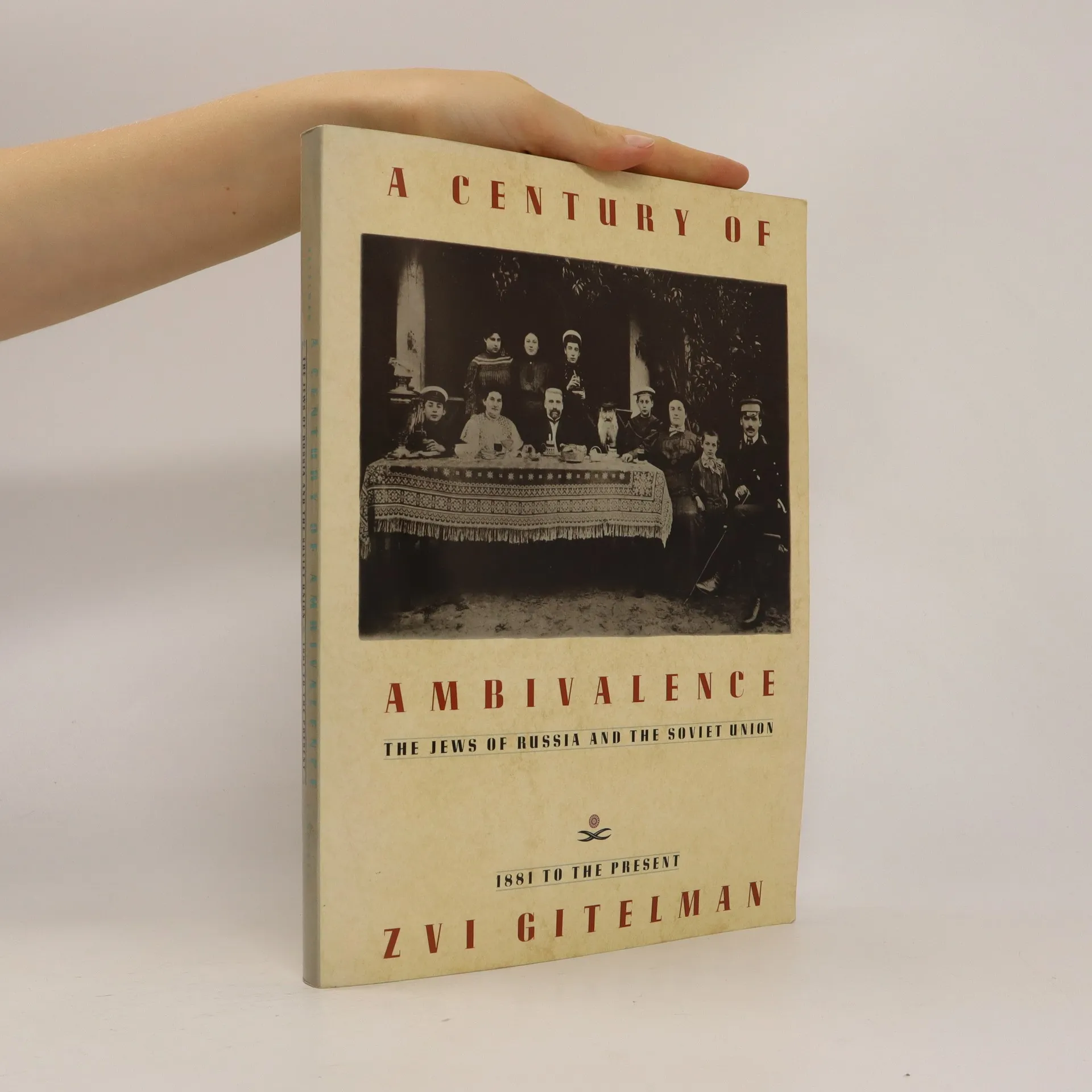
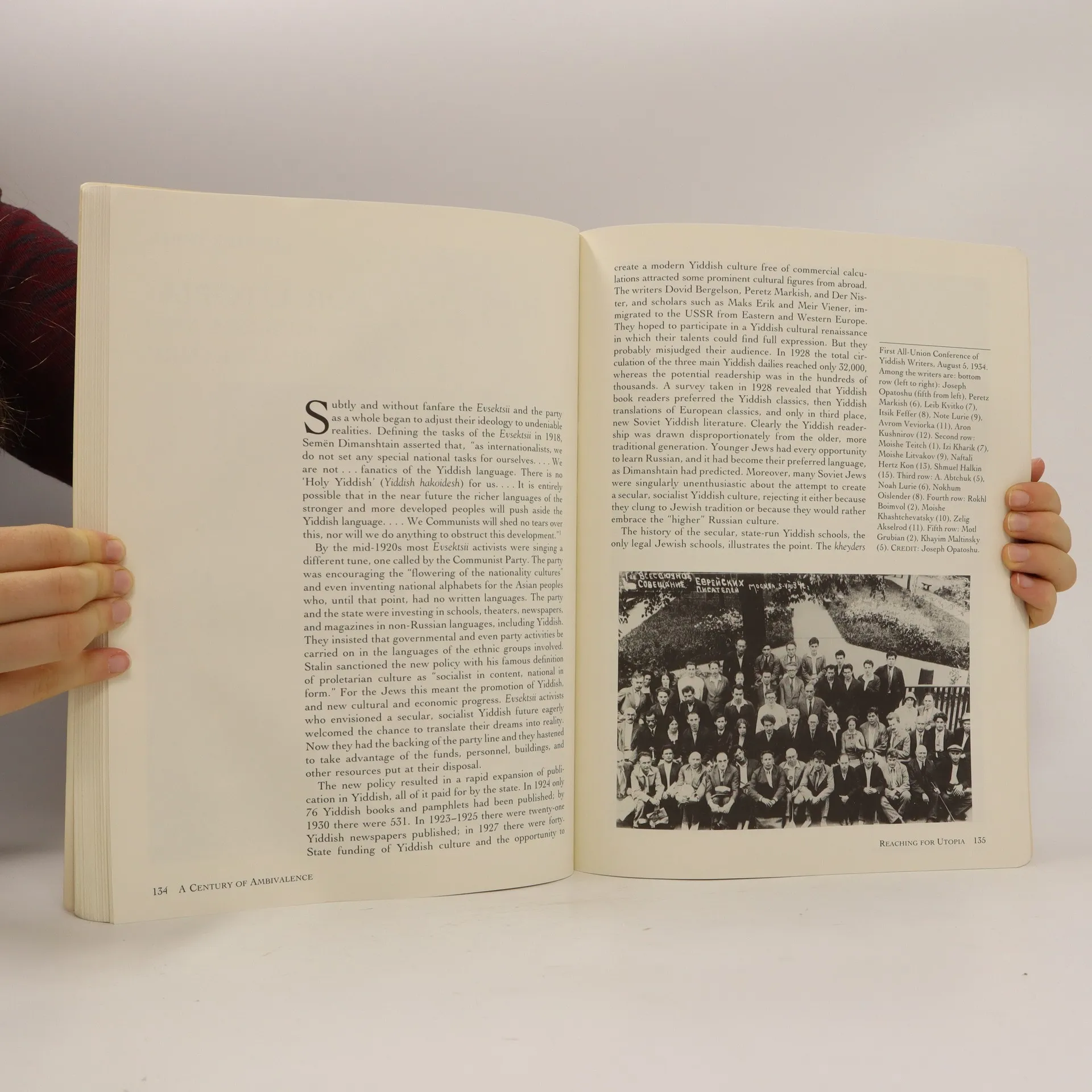
A photographic history, based mainly on the New York YIVO Institute archives. Surveys Jewish life in Russia, focusing on the pogroms of 1881-82 and 1905 and their effects (e.g. the Jewish revolutionary movements, the Bund, and Zionism), and the Beilis trial of 1911. Pp. 96-108 discuss the ambivalent Jewish reaction to the Bolshevik Revolution. Although the Bolsheviks were hostile to Jewish concerns, the new regime offered great opportunities to literate Jews, while the Whites and the Ukrainians were responsible for pogroms and exploited antisemitism to rally anti-Bolshevik support. Ch. 4 (pp. 175-223) describes the fate of the Jews of the USSR during the Holocaust, Jewish resistance, participation in the partisan movement and in the Red Army. Also surveys Stalin's anti-Jewish campaign from 1948 on, the Doctor's Plot, Soviet anti-Zionism, the emigration movement, and prospects for Jewish life in the USSR. (From the Bibliography of the Vidal Sassoon International Center for the Study of Antisemitism)
Buchkauf
A Century of Ambivalence, Zvi Y. Gitelman
- Sprache

- Erscheinungsdatum
- 1988
- Einband
- (Paperback)
Hier könnte deine Bewertung stehen.
- Titel
- A Century of Ambivalence
- Sprache
- Englisch
- Autor*innen
- Zvi Y. Gitelman
- Verlag
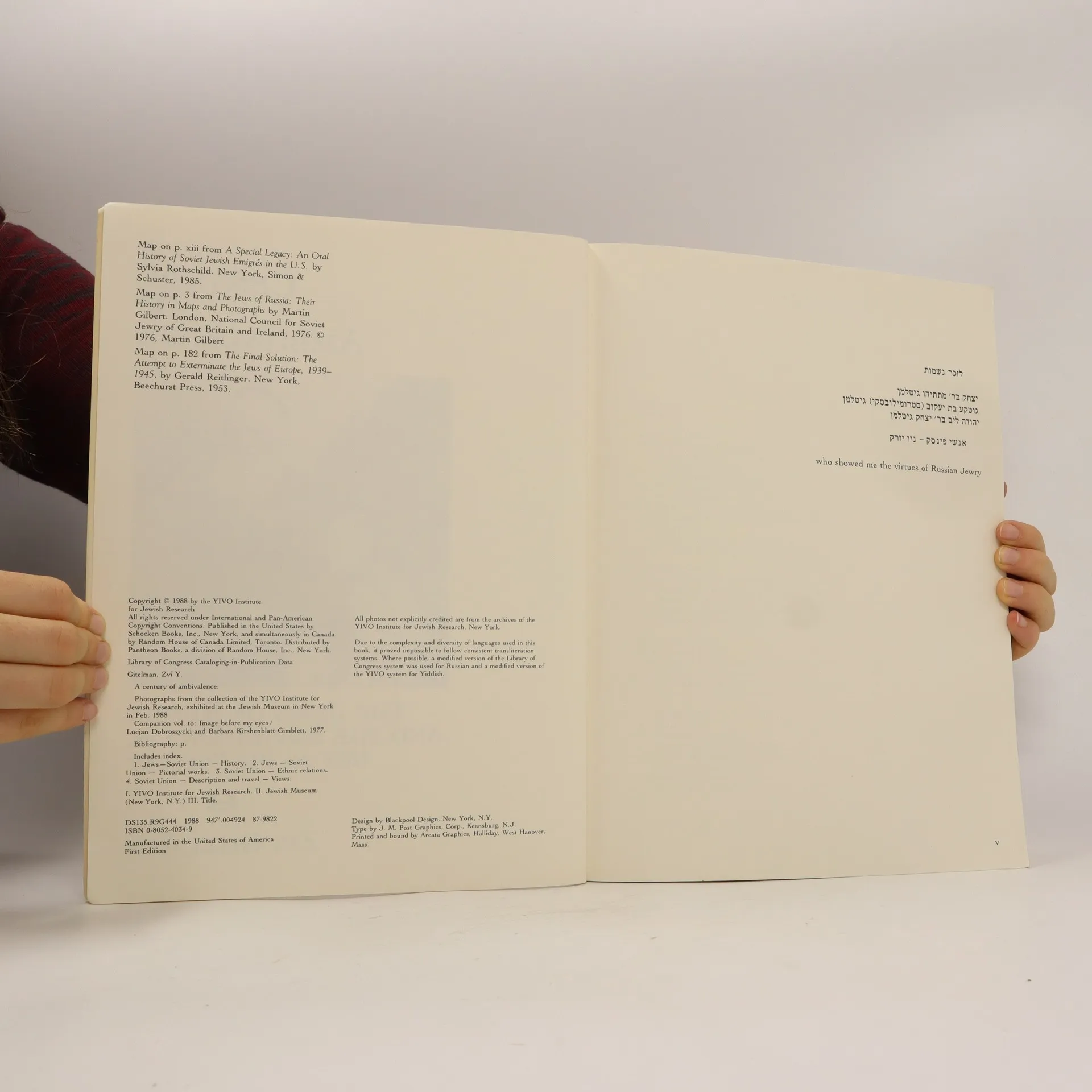
- Schocken Books
- Erscheinungsdatum
- 1988
- Einband
- Paperback
- Seitenzahl
- 336
- ISBN10
- 0805240349
- ISBN13
- 9780805240344
- Reihe
- Schlagwörter
- Historisches Thema, Russland, Juden, Judaika, Jüdische Literatur
- Bewertung
- 4 von 5 Sternen
- Beschreibung
- A photographic history, based mainly on the New York YIVO Institute archives. Surveys Jewish life in Russia, focusing on the pogroms of 1881-82 and 1905 and their effects (e.g. the Jewish revolutionary movements, the Bund, and Zionism), and the Beilis trial of 1911. Pp. 96-108 discuss the ambivalent Jewish reaction to the Bolshevik Revolution. Although the Bolsheviks were hostile to Jewish concerns, the new regime offered great opportunities to literate Jews, while the Whites and the Ukrainians were responsible for pogroms and exploited antisemitism to rally anti-Bolshevik support. Ch. 4 (pp. 175-223) describes the fate of the Jews of the USSR during the Holocaust, Jewish resistance, participation in the partisan movement and in the Red Army. Also surveys Stalin's anti-Jewish campaign from 1948 on, the Doctor's Plot, Soviet anti-Zionism, the emigration movement, and prospects for Jewish life in the USSR. (From the Bibliography of the Vidal Sassoon International Center for the Study of Antisemitism)