



Mehr zum Buch
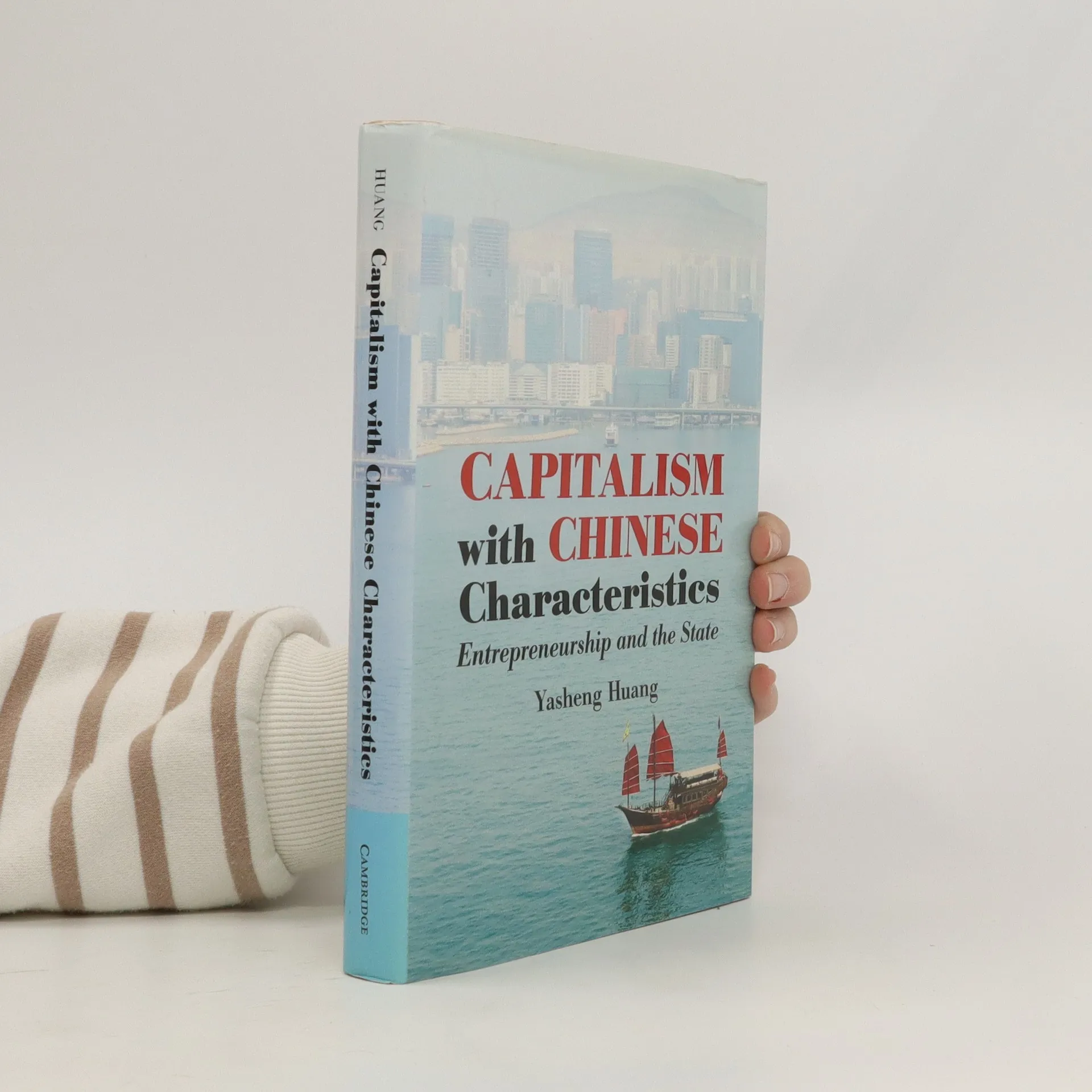
An Economist Book of the Year, 2008 This book presents a story of two Chinas - an entrepreneurial rural China and a state-controlled urban China. In the 1980s, rural China gained the upper hand, and the result was rapid as well as broad-based growth. In the 1990s, urban China triumphed. In the 1990s, the Chinese state reversed many of its productive rural experiments, with long-lasting damage to the economy and society. A weak financial sector, income disparity, rising illiteracy, productivity slowdowns, and reduced personal income growth are the product of the capitalism with Chinese characteristics of the 1990s and beyond. While GDP grew quickly in both decades, the welfare implications of growth differed substantially. The book uses the emerging Indian miracle to debunk the widespread notion that democracy is automatically anti-growth. The single biggest obstacle to sustainable growth and financial stability in China today is its poor political governance. As the country marks its 30th anniversary of reforms in 2008, China faces some of its toughest economic challenges and substantial vulnerabilities that require fundamental institutional reforms.
Buchkauf
Capitalism with Chinese Characteristics, Yasheng Huang
- Sprache

- Erscheinungsdatum
- 2010
- Einband
- (Hardcover)
Hier könnte deine Bewertung stehen.
- Titel
- Capitalism with Chinese Characteristics
- Sprache
- Englisch
- Autor*innen
- Yasheng Huang
- Erscheinungsdatum
- 2010
- Einband
- Hardcover
- Seitenzahl
- 348
- ISBN10
- 0521898102
- ISBN13
- 9780521898102
- Reihe
- Kategorien
- Schlagwörter
- Historisches Thema, Handel, Politik, Asien, China
- Bewertung
- 3,9 von 5 Sternen
- Beschreibung
- An Economist Book of the Year, 2008 This book presents a story of two Chinas - an entrepreneurial rural China and a state-controlled urban China. In the 1980s, rural China gained the upper hand, and the result was rapid as well as broad-based growth. In the 1990s, urban China triumphed. In the 1990s, the Chinese state reversed many of its productive rural experiments, with long-lasting damage to the economy and society. A weak financial sector, income disparity, rising illiteracy, productivity slowdowns, and reduced personal income growth are the product of the capitalism with Chinese characteristics of the 1990s and beyond. While GDP grew quickly in both decades, the welfare implications of growth differed substantially. The book uses the emerging Indian miracle to debunk the widespread notion that democracy is automatically anti-growth. The single biggest obstacle to sustainable growth and financial stability in China today is its poor political governance. As the country marks its 30th anniversary of reforms in 2008, China faces some of its toughest economic challenges and substantial vulnerabilities that require fundamental institutional reforms.