

Mehr zum Buch
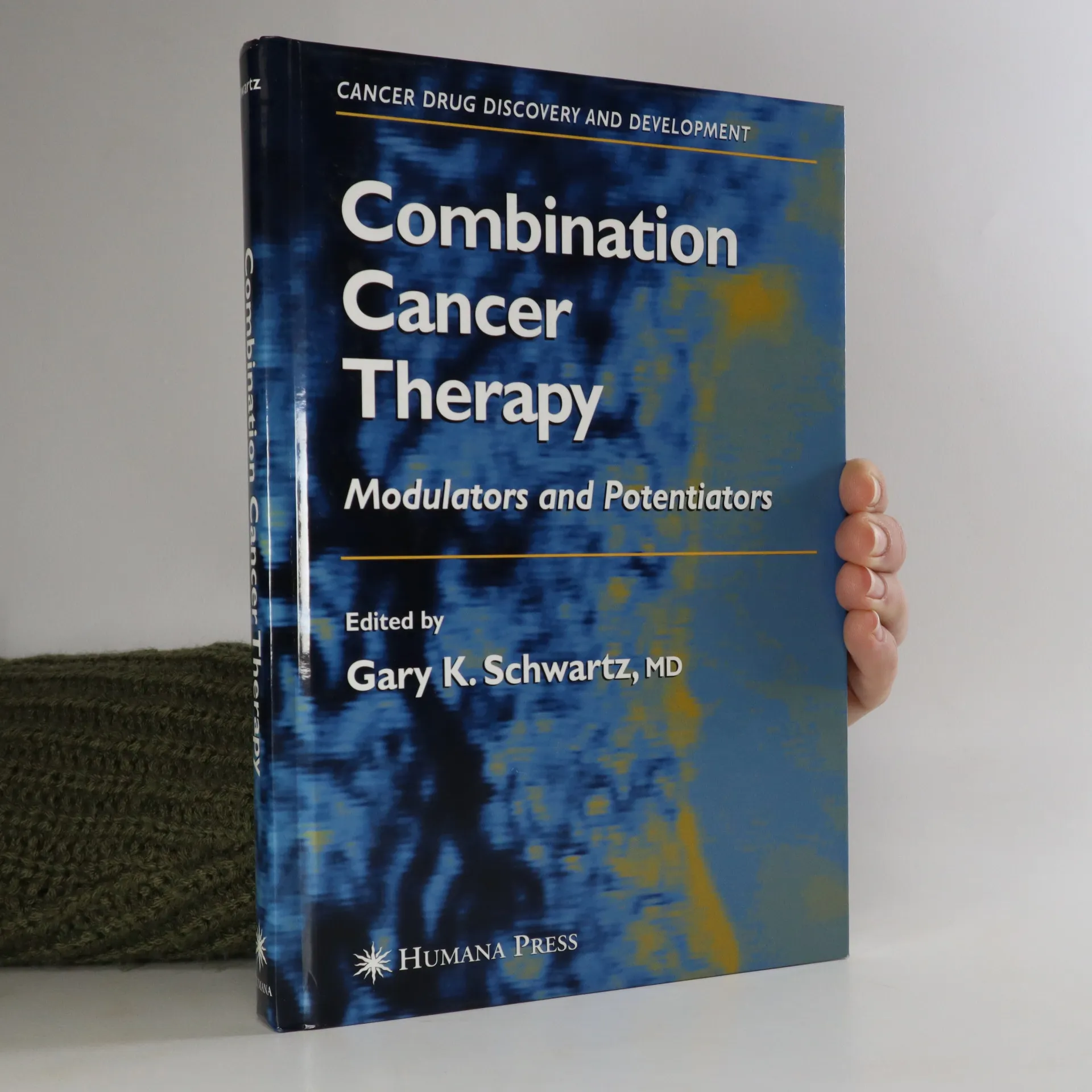
Expert physician-scientists and clinicians review those combinations of novel target agents classic chemotherapies that hold the most promise for the future of medical oncology, and detail their optimal sequence, pharmacokinetic interactions, and interaction with downstream cellular signals. The combinations run the gamut of targeted therapies against cell surface receptors (EGF-R and HER2), the cell cycle (the CDKs), signal transduction events (PKC and NF-kB), apoptosis (bcl-2), as well as focused therapies in ovarian cancer, hematologic diseases, and breast cancer. The authors emphasize novel translational approaches that are rapidly moving from the laboratory bench top to the patient's bedside for the future treatments in cancer therapy.
Buchkauf
Combination Cancer Therapy, Gary K. Schwartz
- Sprache

- Erscheinungsdatum
- 2005
- Einband
- (Hardcover)
Keiner hat bisher bewertet.
- Titel
- Combination Cancer Therapy
- Sprache
- Englisch
- Autor*innen
- Gary K. Schwartz
- Verlag
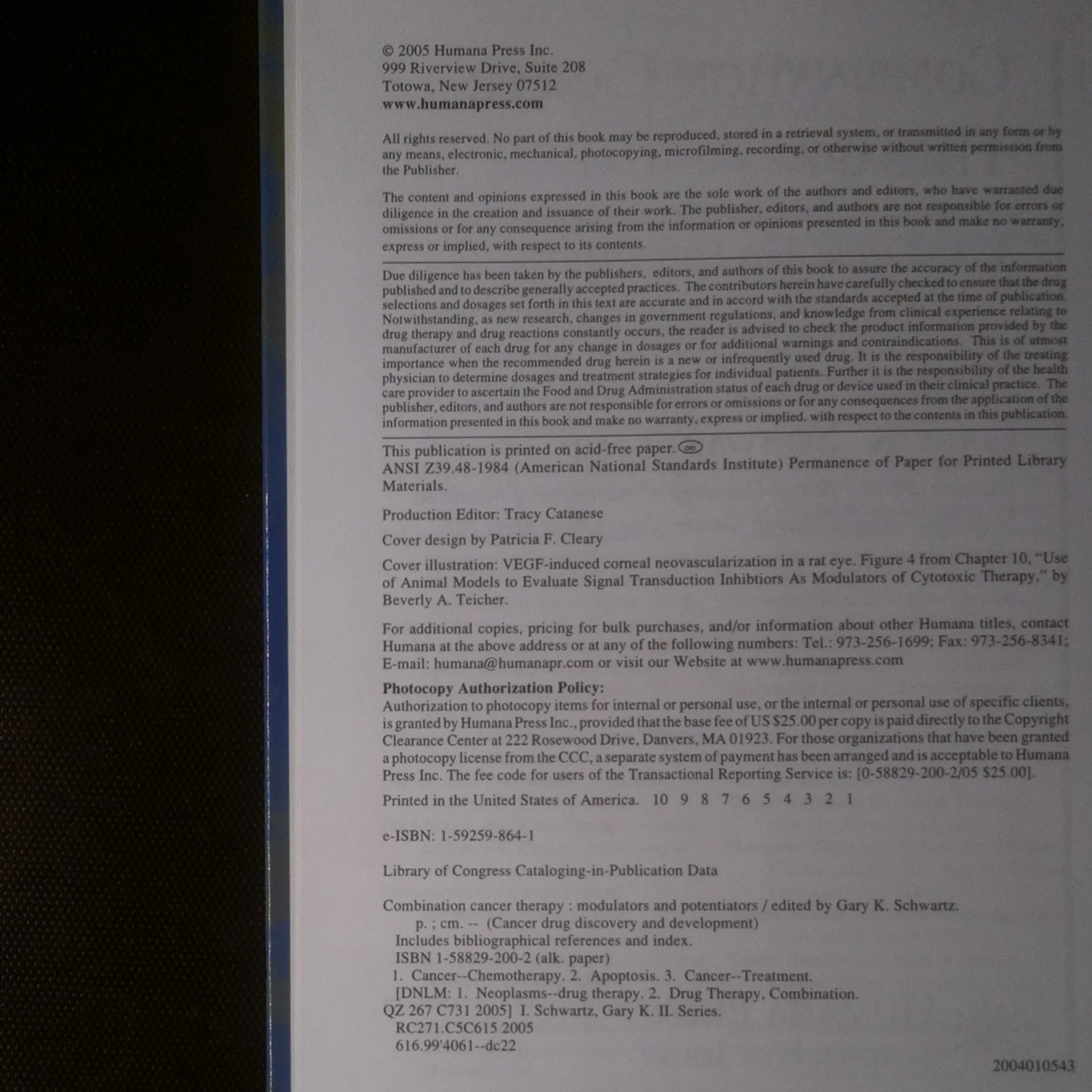
- Humana Press
- Erscheinungsdatum
- 2005
- Einband
- Hardcover
- Seitenzahl
- 292
- ISBN10
- 1588292002
- ISBN13
- 9781588292001
- Reihe
- Kategorien
- Schlagwörter
- Medizin & Gesundheit
- Beschreibung
- Expert physician-scientists and clinicians review those combinations of novel target agents classic chemotherapies that hold the most promise for the future of medical oncology, and detail their optimal sequence, pharmacokinetic interactions, and interaction with downstream cellular signals. The combinations run the gamut of targeted therapies against cell surface receptors (EGF-R and HER2), the cell cycle (the CDKs), signal transduction events (PKC and NF-kB), apoptosis (bcl-2), as well as focused therapies in ovarian cancer, hematologic diseases, and breast cancer. The authors emphasize novel translational approaches that are rapidly moving from the laboratory bench top to the patient's bedside for the future treatments in cancer therapy.