

Mehr zum Buch
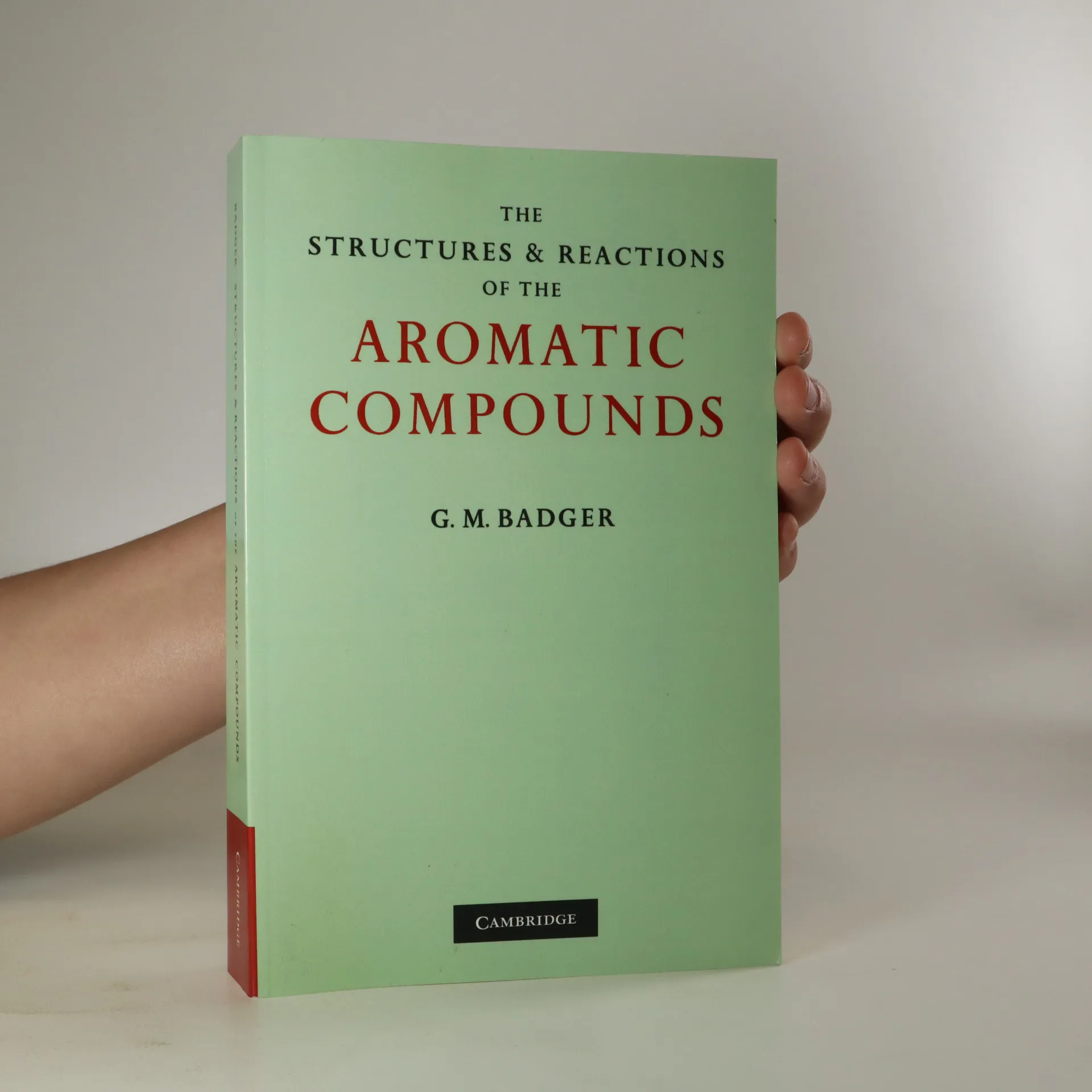
This 1954 book was the first to be devoted to the fundamental properties of the aromatic compounds as a whole. It describes the experimental and theoretical attempts to explain their structure and discusses their characteristic properties and the mechanism of their reactions. Heterocyclic compounds are included in Dr Badger's survey. Aromatic compounds are characterised by their cyclic molecular structure, their high degree of unsaturation and their stability. Coal tar is the chief source of aromatic compounds, but they are also made from crude oil and can be produced synthetically. Nearly all dyestuffs are 'aromatic', as are most of the common drugs and explosives. The book addressed itself primarily to graduates and final-year undergraduates. It was also of interest to research chemists in the dyestuffs, pharmaceutical and explosives industries. As some complex aromatic compounds produce cancer on the skin of laboratory animals, cancer research workers will also have found it relevant.
Buchkauf
The Structures and Reactions of the Aromatic Compounds, G. M. Badger
- Sprache

- Erscheinungsdatum
- 2011
- Einband
- (Paperback)
Keiner hat bisher bewertet.
- Titel
- The Structures and Reactions of the Aromatic Compounds
- Sprache
- Englisch
- Autor*innen
- G. M. Badger
- Erscheinungsdatum
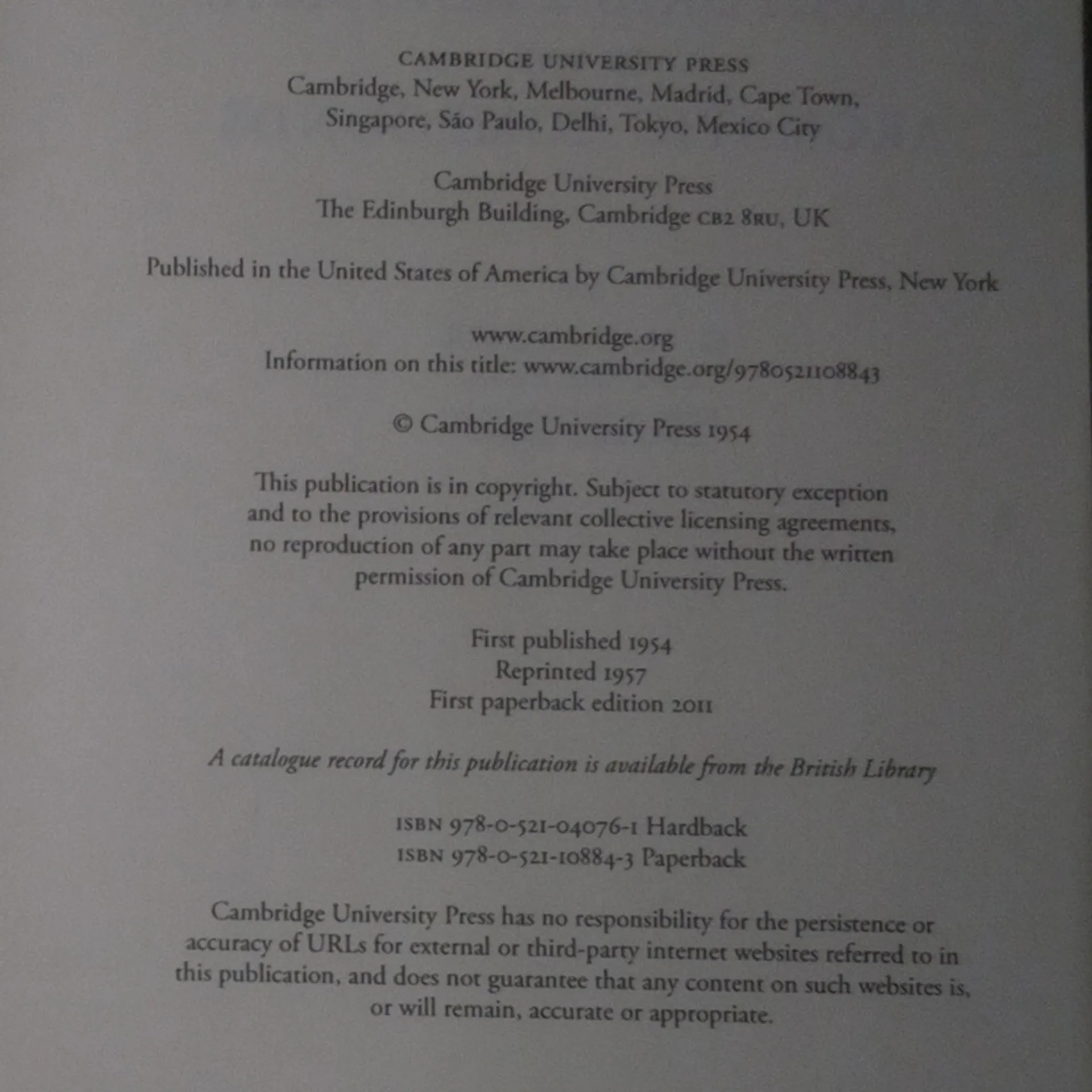
- 2011
- Einband
- Paperback
- Seitenzahl
- 472
- ISBN10
- 0521108845
- ISBN13
- 9780521108843
- Reihe
- Schlagwörter
- Naturwissenschaften
- Beschreibung
- This 1954 book was the first to be devoted to the fundamental properties of the aromatic compounds as a whole. It describes the experimental and theoretical attempts to explain their structure and discusses their characteristic properties and the mechanism of their reactions. Heterocyclic compounds are included in Dr Badger's survey. Aromatic compounds are characterised by their cyclic molecular structure, their high degree of unsaturation and their stability. Coal tar is the chief source of aromatic compounds, but they are also made from crude oil and can be produced synthetically. Nearly all dyestuffs are 'aromatic', as are most of the common drugs and explosives. The book addressed itself primarily to graduates and final-year undergraduates. It was also of interest to research chemists in the dyestuffs, pharmaceutical and explosives industries. As some complex aromatic compounds produce cancer on the skin of laboratory animals, cancer research workers will also have found it relevant.