


Mehr zum Buch
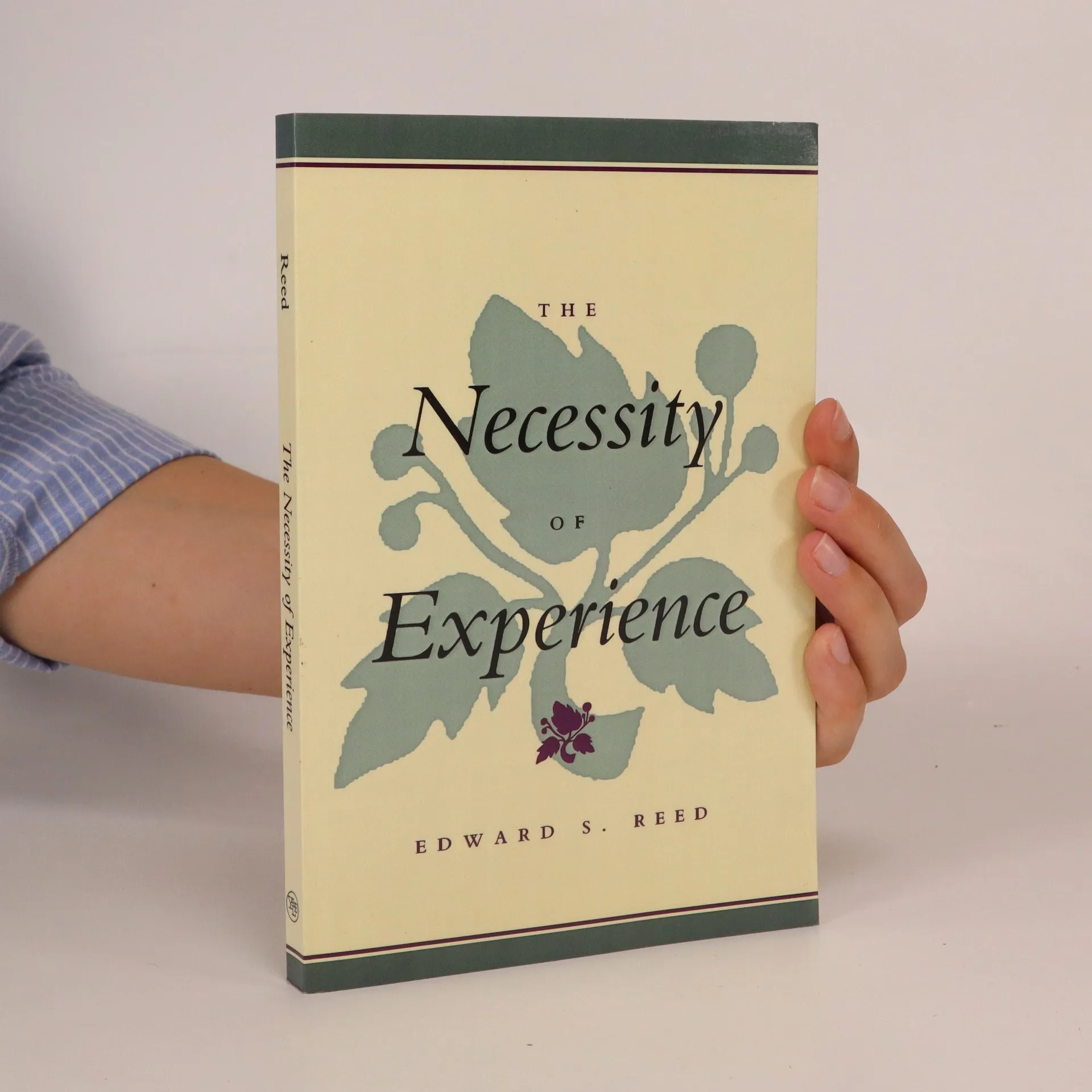
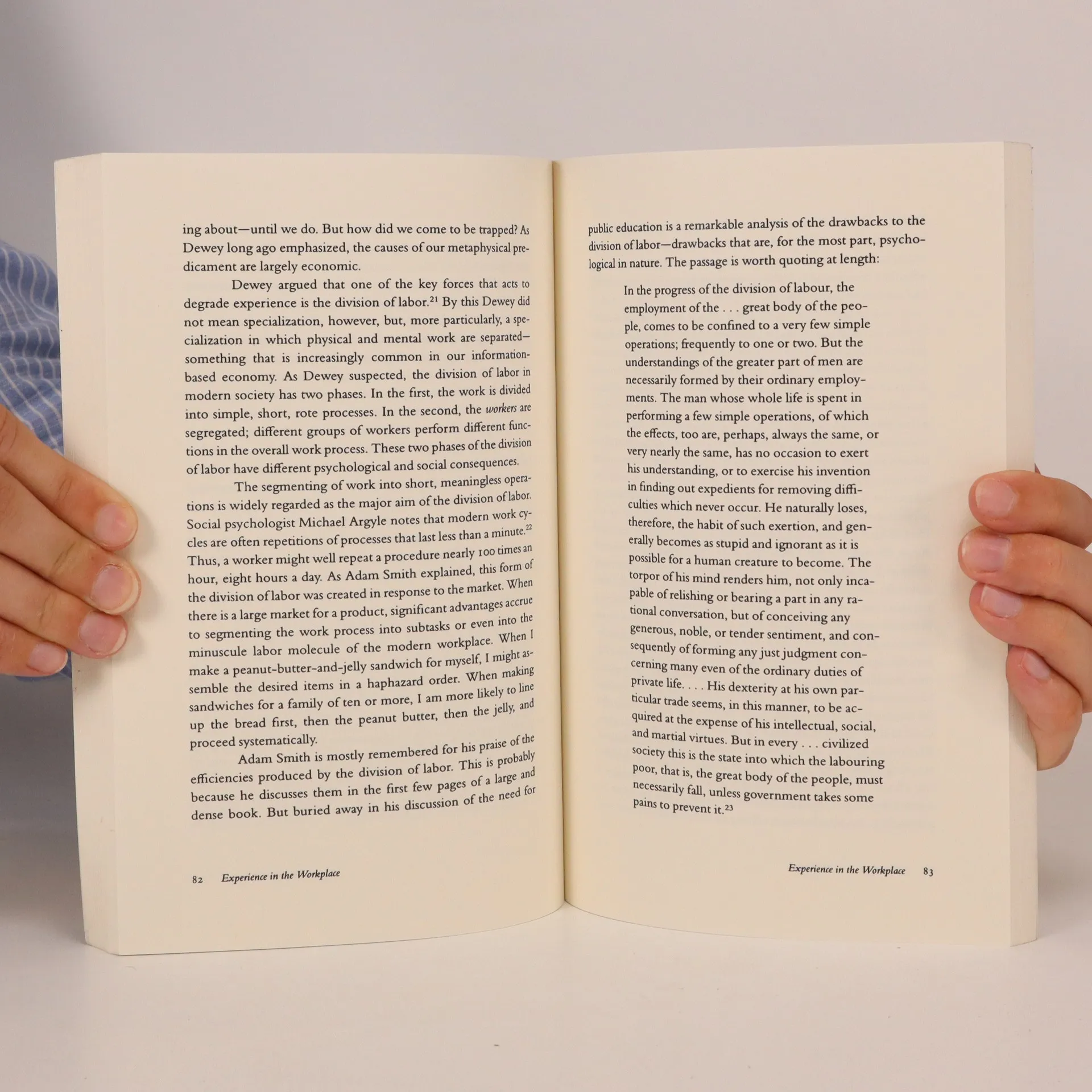
Primary experience, gained through the senses, is our most basic way of understanding reality and learning for ourselves. Our culture, however, favors the indirect knowledge gained from secondary experience, in which information is selected, modified, packaged, and presented to us by others. In this controversial book, Edward S. Reed warns that secondhand experience has become so dominant in our technological workplaces, schools, and even homes that primary experience is endangered. Reed calls for a better balance between firsthand and secondhand experience, particularly in our social institutions. He contends that without opportunities to learn directly, we become less likely to think and feel for ourselves. Since the scientific revolution of the seventeenth century, Western epistemological tradition has rejected primary experience in favor of the abstractions of secondhand experience. Building on James Gibson's concept of ecological psychology, Reed offers a spirited defense of the reality and significance of ordinary experience against both modernist and postmodernist critics. He expands on the radical critiques of work, education, and art begun by William Morris and John Dewey, offering an alternative vision of meaningful learning that places greater emphasis on unmediated experience, and he outlines the psychological, cultural, and intellectual conditions that will be needed to foster that crucial change.
Buchkauf
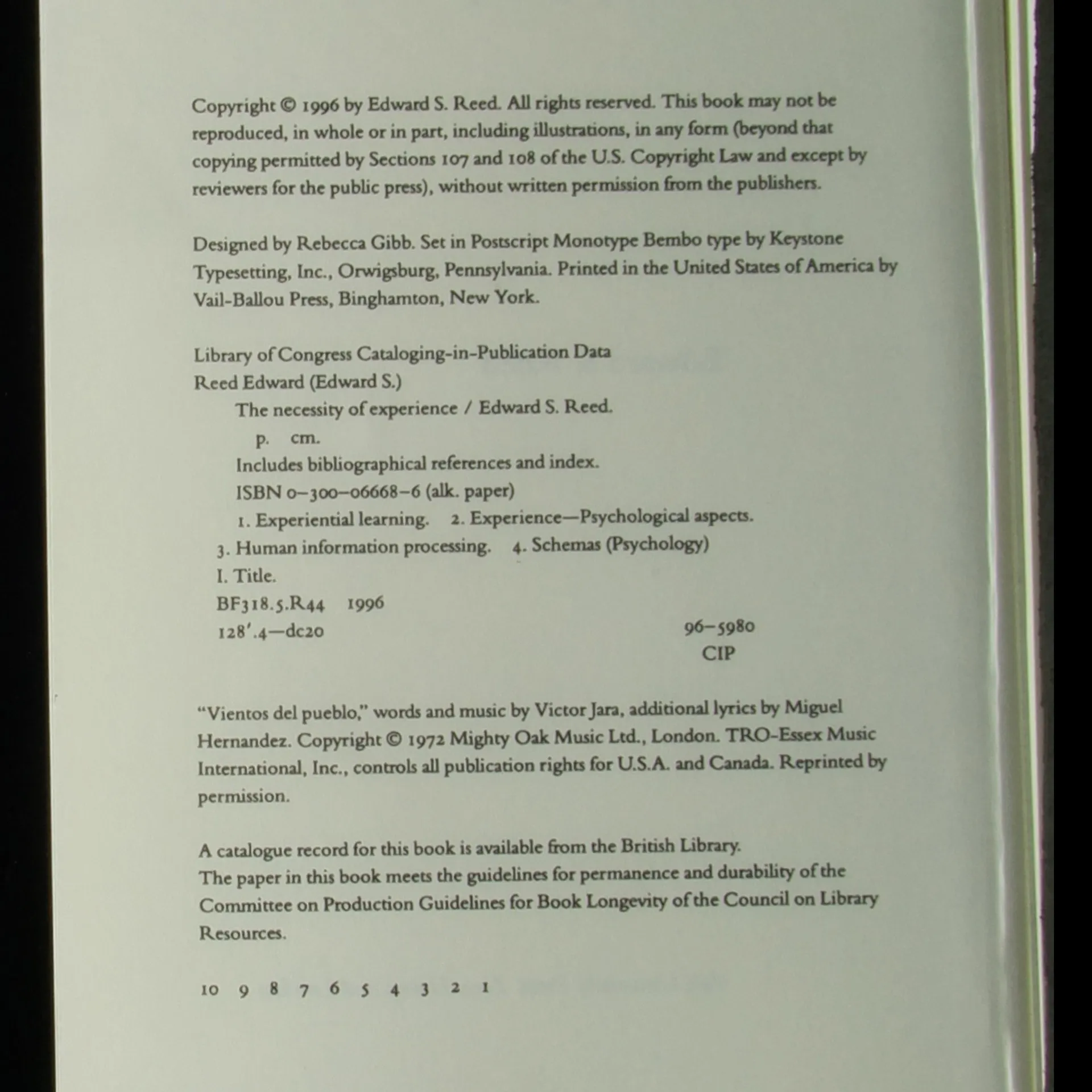
The Necessity of Experience, Edward S. Reed
- Sprache

- Erscheinungsdatum
- 1996
- Einband
- (Paperback)
Hier könnte deine Bewertung stehen.
- Titel
- The Necessity of Experience
- Sprache
- Englisch
- Autor*innen
- Edward S. Reed
- Verlag
- Yale University Press
- Erscheinungsdatum
- 1996
- Einband
- Paperback
- Seitenzahl
- 200
- ISBN10
- 0300105665
- ISBN13
- 9780300105667
- Reihe
- Schlagwörter
- Natur, Psychologische Thematik, Philosophisches Thema
- Bewertung
- 4,65 von 5 Sternen
- Beschreibung
- Primary experience, gained through the senses, is our most basic way of understanding reality and learning for ourselves. Our culture, however, favors the indirect knowledge gained from secondary experience, in which information is selected, modified, packaged, and presented to us by others. In this controversial book, Edward S. Reed warns that secondhand experience has become so dominant in our technological workplaces, schools, and even homes that primary experience is endangered. Reed calls for a better balance between firsthand and secondhand experience, particularly in our social institutions. He contends that without opportunities to learn directly, we become less likely to think and feel for ourselves. Since the scientific revolution of the seventeenth century, Western epistemological tradition has rejected primary experience in favor of the abstractions of secondhand experience. Building on James Gibson's concept of ecological psychology, Reed offers a spirited defense of the reality and significance of ordinary experience against both modernist and postmodernist critics. He expands on the radical critiques of work, education, and art begun by William Morris and John Dewey, offering an alternative vision of meaningful learning that places greater emphasis on unmediated experience, and he outlines the psychological, cultural, and intellectual conditions that will be needed to foster that crucial change.