

Mehr zum Buch
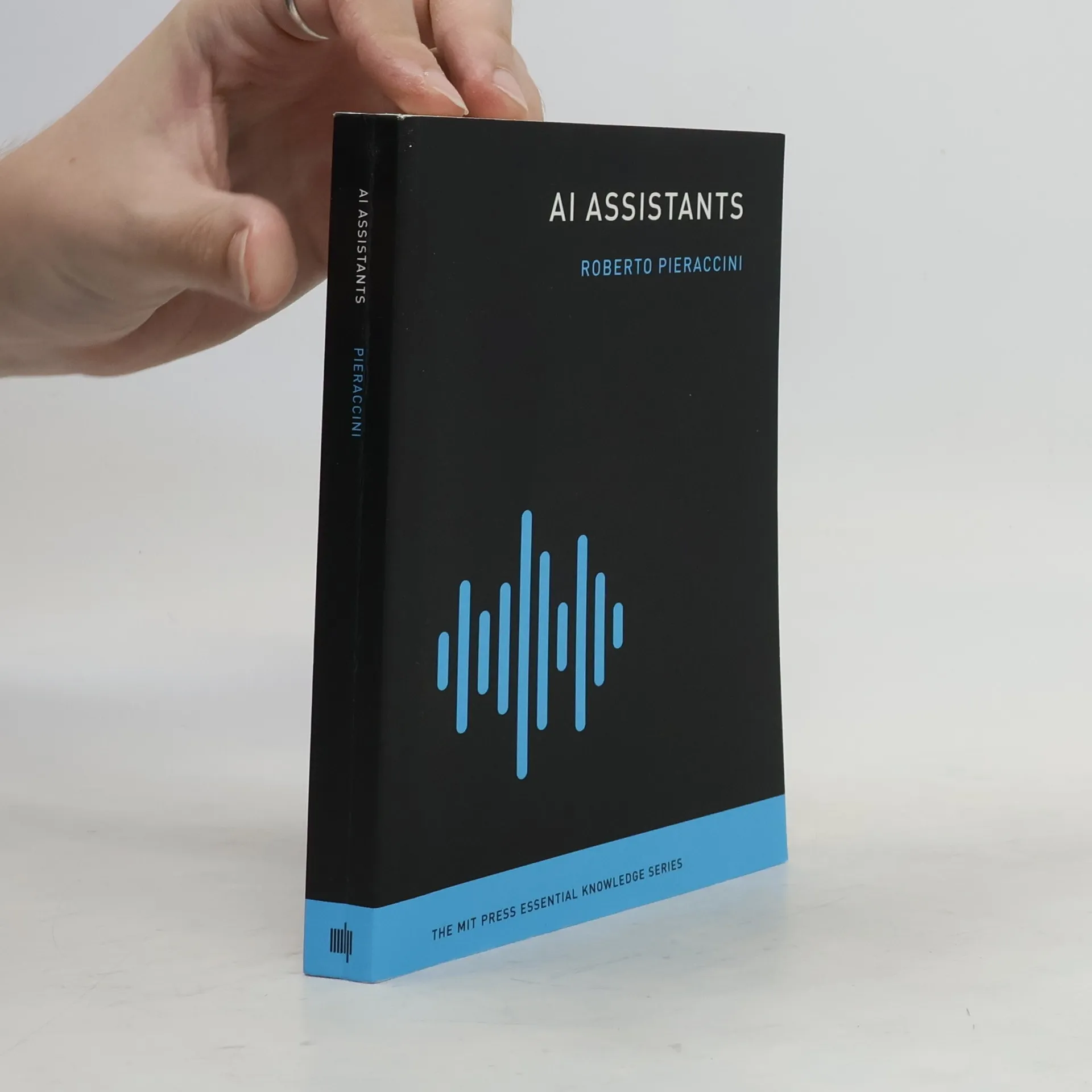
An accessible explanation of the technologies that enable such popular voice-interactive applications as Alexa, Siri, and Google Assistant. An accessible explanation of the technologies that enable such popular voice-interactive applications as Alexa, Siri, and Google Assistant. Pieraccini describes the software components that enable spoken communication between humans and computers, and explains why it's so difficult to build machines that understand humans. He explains speech recognition technology; problems in extracting meaning from utterances in order to execute a request; language and speech generation; the dialog manager module; and interactions with social assistants and robots. Finally, he considers the next big challenge in the development of virtual assistants: building in more intelligence-enabling them to do more than communicate in natural language and endowing them with the capacity to know us better, predict our needs more accurately, and perform complex tasks with ease. -- Provided by publisher
Buchkauf
AI Assistants, Roberto Pieraccini
- Sprache

- Erscheinungsdatum
- 2021
- Einband
- (Paperback)
Hier könnte deine Bewertung stehen.
- Titel
- AI Assistants
- Sprache
- Englisch
- Autor*innen
- Roberto Pieraccini
- Verlag
- MIT Press
- Erscheinungsdatum
- 2021
- Einband
- Paperback
- Seitenzahl
- 288
- ISBN10
- 0262542552
- ISBN13
- 9780262542555
- Reihe
- Kategorien
- Schlagwörter
- Technologie, Künstliche Intelligenz
- Bewertung
- 3,65 von 5 Sternen
- Beschreibung
- An accessible explanation of the technologies that enable such popular voice-interactive applications as Alexa, Siri, and Google Assistant. An accessible explanation of the technologies that enable such popular voice-interactive applications as Alexa, Siri, and Google Assistant. Pieraccini describes the software components that enable spoken communication between humans and computers, and explains why it's so difficult to build machines that understand humans. He explains speech recognition technology; problems in extracting meaning from utterances in order to execute a request; language and speech generation; the dialog manager module; and interactions with social assistants and robots. Finally, he considers the next big challenge in the development of virtual assistants: building in more intelligence-enabling them to do more than communicate in natural language and endowing them with the capacity to know us better, predict our needs more accurately, and perform complex tasks with ease. -- Provided by publisher