

Mehr zum Buch
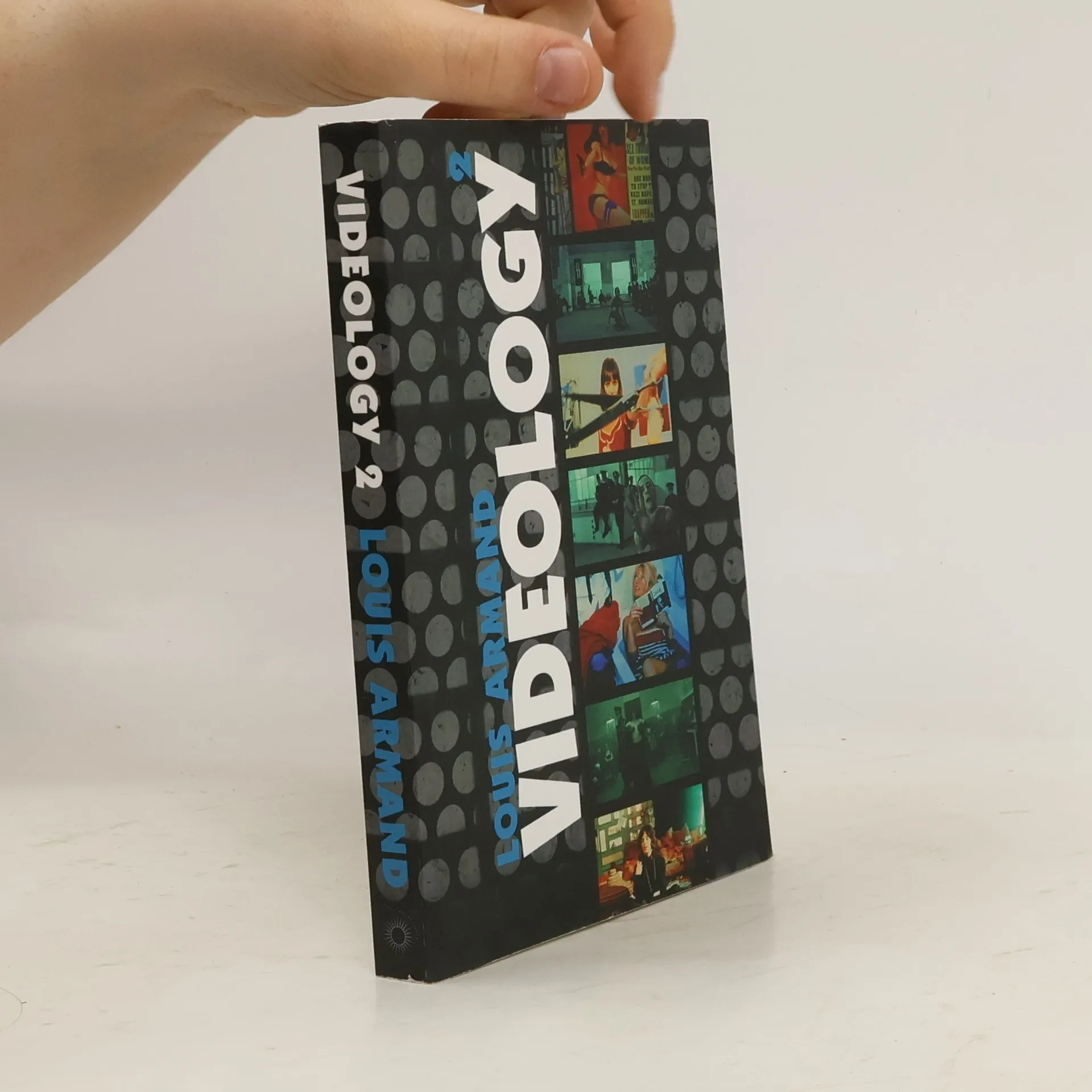
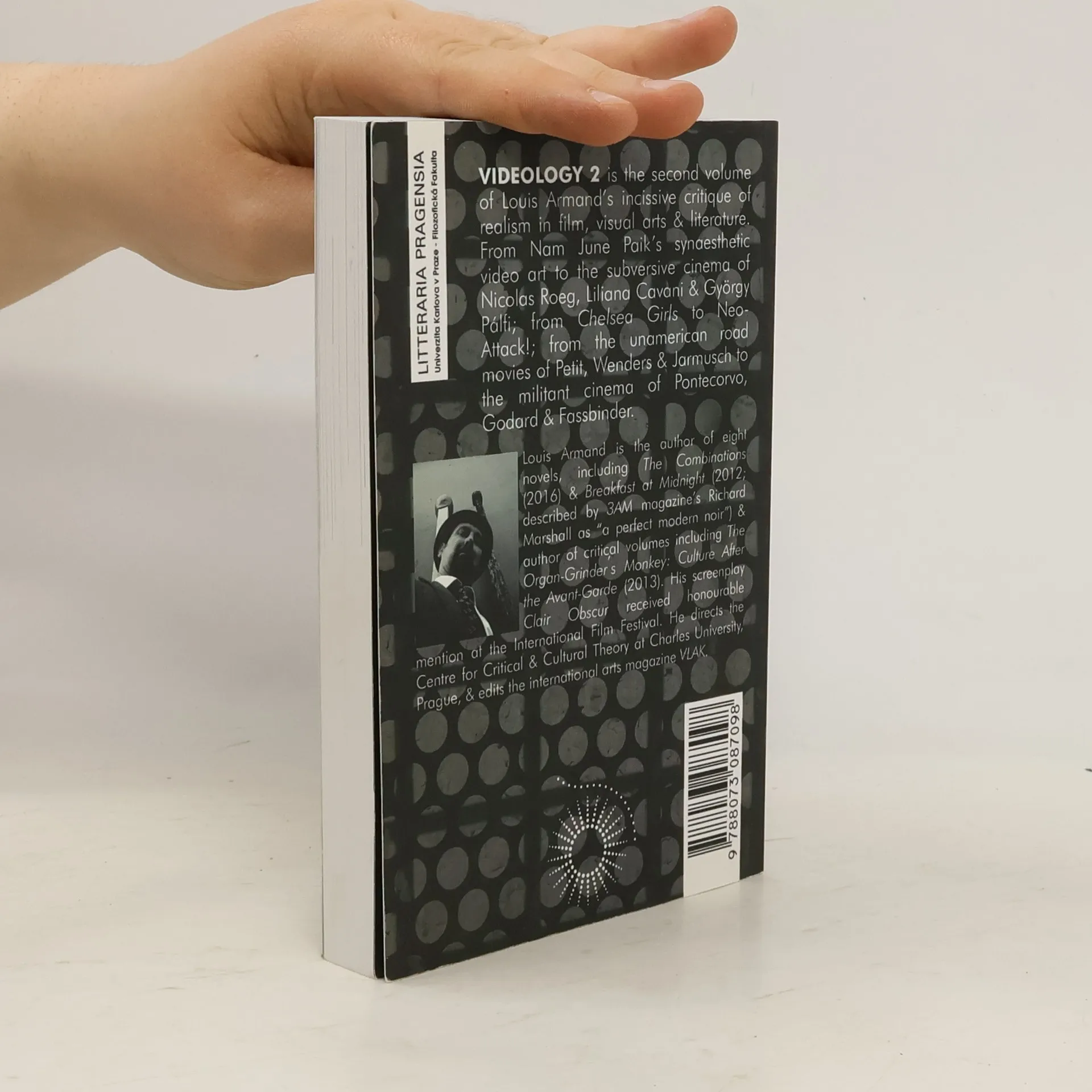
VIDEOLOGY 2 continues Louis Armand’s critique of realism across film, visual arts, and literature. It explores a range of works, from Nam June Paik’s experimental TV to the militant cinema of Pontecorvo, Fassbinder, and Godard, as well as Karel Teige’s cine-poetics and anti-American filmographies by Petit, Jarmusch, and Wenders. This volume includes essays on influential figures such as Robert Fuest, Gene Youngblood, and Andy Warhol, among others. As the second part of a three-volume critique, it examines the ideology of realism within the culture industry, encompassing literature, film, cybernetics, and the plastic arts. Armand employs a syncretic approach inspired by thinkers like Marshall McLuhan and Buckminster Fuller, aligning with the interdisciplinary nature of historical avant-gardes and modernity. The term “videology” encompasses various aesthetic and ideological forms, from Jeremy Bentham’s “Panopticon” to contemporary discussions on virtual reality and post-humanism. The study addresses modernity and postmodernity, focusing on the work of experimental writers, artists, and theorists. In this context, realism is viewed as a tool for cultural normalization, evolving alongside mass literacy and global communication, ultimately serving to commodify the processes of industrial modernity.
Buchkauf
Videology 2, Louis Armand
- Sprache

- Erscheinungsdatum
- 2017
- Einband
- (Paperback)
Keiner hat bisher bewertet.
- Titel
- Videology 2
- Sprache
- Englisch
- Autor*innen
- Louis Armand
- Erscheinungsdatum
- 2017
- Einband
- Paperback
- ISBN10
- 807308709X
- ISBN13
- 9788073087098
- Reihe
- Kategorien
- Schlagwörter
- Historisches Thema
- Beschreibung
- VIDEOLOGY 2 continues Louis Armand’s critique of realism across film, visual arts, and literature. It explores a range of works, from Nam June Paik’s experimental TV to the militant cinema of Pontecorvo, Fassbinder, and Godard, as well as Karel Teige’s cine-poetics and anti-American filmographies by Petit, Jarmusch, and Wenders. This volume includes essays on influential figures such as Robert Fuest, Gene Youngblood, and Andy Warhol, among others. As the second part of a three-volume critique, it examines the ideology of realism within the culture industry, encompassing literature, film, cybernetics, and the plastic arts. Armand employs a syncretic approach inspired by thinkers like Marshall McLuhan and Buckminster Fuller, aligning with the interdisciplinary nature of historical avant-gardes and modernity. The term “videology” encompasses various aesthetic and ideological forms, from Jeremy Bentham’s “Panopticon” to contemporary discussions on virtual reality and post-humanism. The study addresses modernity and postmodernity, focusing on the work of experimental writers, artists, and theorists. In this context, realism is viewed as a tool for cultural normalization, evolving alongside mass literacy and global communication, ultimately serving to commodify the processes of industrial modernity.