


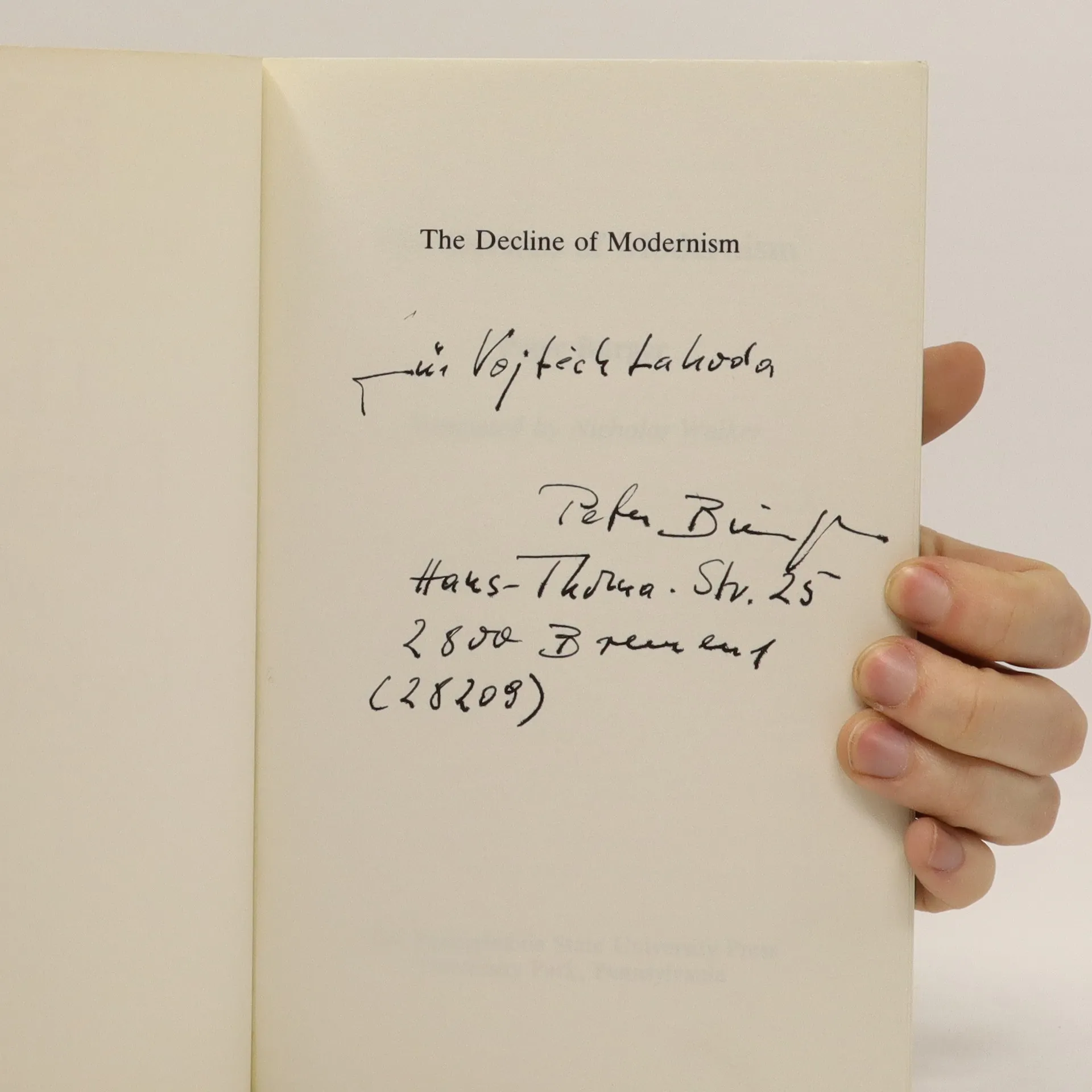
Mehr zum Buch
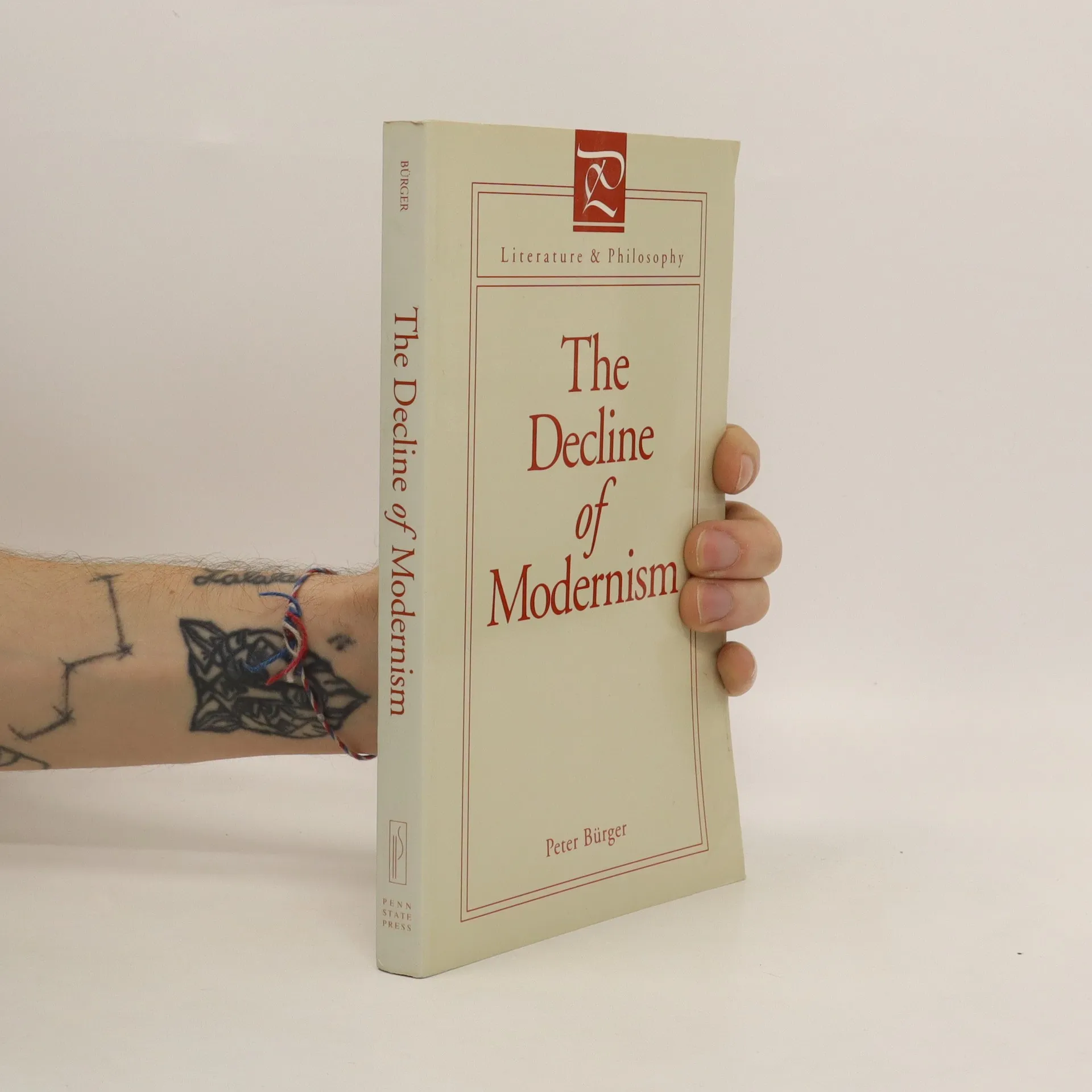
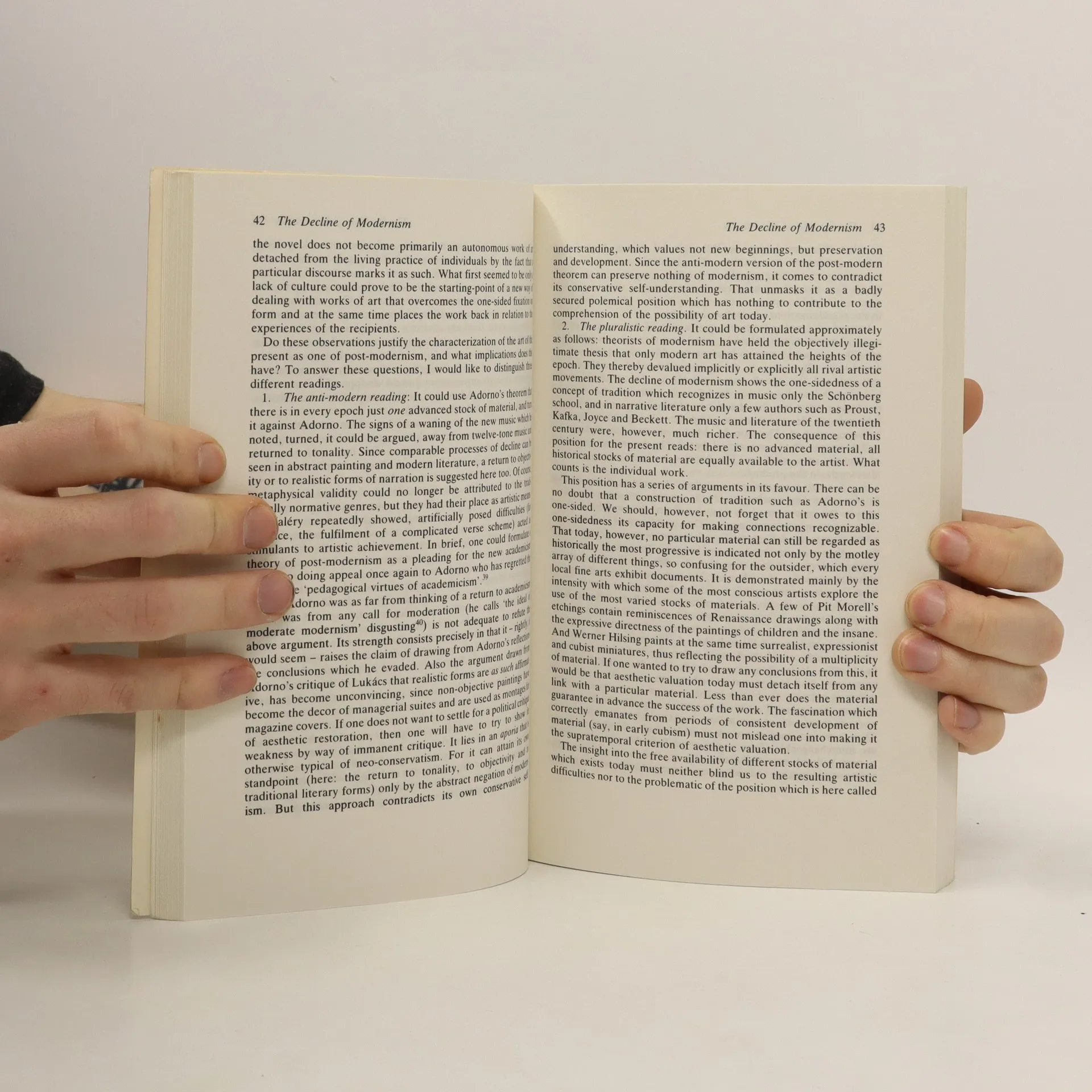
In The Decline of Modernism, Peter Burger addresses the relationship between art and society, from the emergence of bourgeois culture in the eighteenth century to the decline of modernism in the twentieth century. In analyzing this relationship, he draws on a wide range of sociological and literary-critical sources---Weber, Benjamin,Foucault, Diderot, Sade, Wyndham Lewis, Peter Weiss, and Joseph Beuys, among others. He argues that in questioning the formal relationship between art and life, which had dominated the eighteenth and nineteenth centuries, the avant-gardist movements of the early twentieth century brought about the crisis of postmodernism. Burger charts the establishment of literary and artistic institutions since the Enlightenment and their apparent autonomy from the prevailing political systems. However, he argues that the discovery of the obverse of Enlightenment--namely, barbarism---revealed the interdependence of art and society and set the scene for the avant-gardist protest against aesthetic formalism.
Buchkauf
The decline of modernism, Peter Bürger
- Sprache

- Erscheinungsdatum
- 1992
- Einband
- (Paperback)
Hier könnte deine Bewertung stehen.
- Titel
- The decline of modernism
- Sprache
- Englisch
- Autor*innen
- Peter Bürger
- Verlag
- Polity Press
- Erscheinungsdatum
- 1992
- Einband
- Paperback
- ISBN10
- 0271008903
- ISBN13
- 9780271008905
- Reihe
- Kategorien
- Schlagwörter
- Bildende Kunst
- Bewertung
- 3 von 5 Sternen
- Beschreibung
- In The Decline of Modernism, Peter Burger addresses the relationship between art and society, from the emergence of bourgeois culture in the eighteenth century to the decline of modernism in the twentieth century. In analyzing this relationship, he draws on a wide range of sociological and literary-critical sources---Weber, Benjamin,Foucault, Diderot, Sade, Wyndham Lewis, Peter Weiss, and Joseph Beuys, among others. He argues that in questioning the formal relationship between art and life, which had dominated the eighteenth and nineteenth centuries, the avant-gardist movements of the early twentieth century brought about the crisis of postmodernism. Burger charts the establishment of literary and artistic institutions since the Enlightenment and their apparent autonomy from the prevailing political systems. However, he argues that the discovery of the obverse of Enlightenment--namely, barbarism---revealed the interdependence of art and society and set the scene for the avant-gardist protest against aesthetic formalism.