


Mehr zum Buch
The Visegrad Group faces challenges in end-game negotiations and lacks presence in EU macro-regional strategies, indicating that "hard power" such as economic strength and voting numbers alone cannot enforce its interests at the European level. Conversely, the V4 and its V4+ format serve as respected negotiation platforms within the EU and with third states. This publication posits that the Visegrad Group's influence in EU decision-making stems primarily from its "soft power"—its ability to achieve favorable outcomes because other states wish to align with it or accept its influence. The research explores the content of this soft power and whether the V4 continues to represent a "trademark" for Central European states in the post-accession period. Key aspects examined include V4 cooperation within the EU, military and security collaboration, transit opportunities between East and West, immigration dynamics, and the interplay of religiosity and secularization as components of soft power. The authors conclude that the Visegrad Group remains a vital regional initiative, with the V4+ format enhancing its influence across Central and East-Central Europe. The findings suggest that the V4's role in Europe is growing, contingent upon the states' commitment to cooperation and modernization. While soft power is crucial, economic success relies on investments in education and infrastructure. Ultimately, the Visegrad Group's success is in
Buchkauf
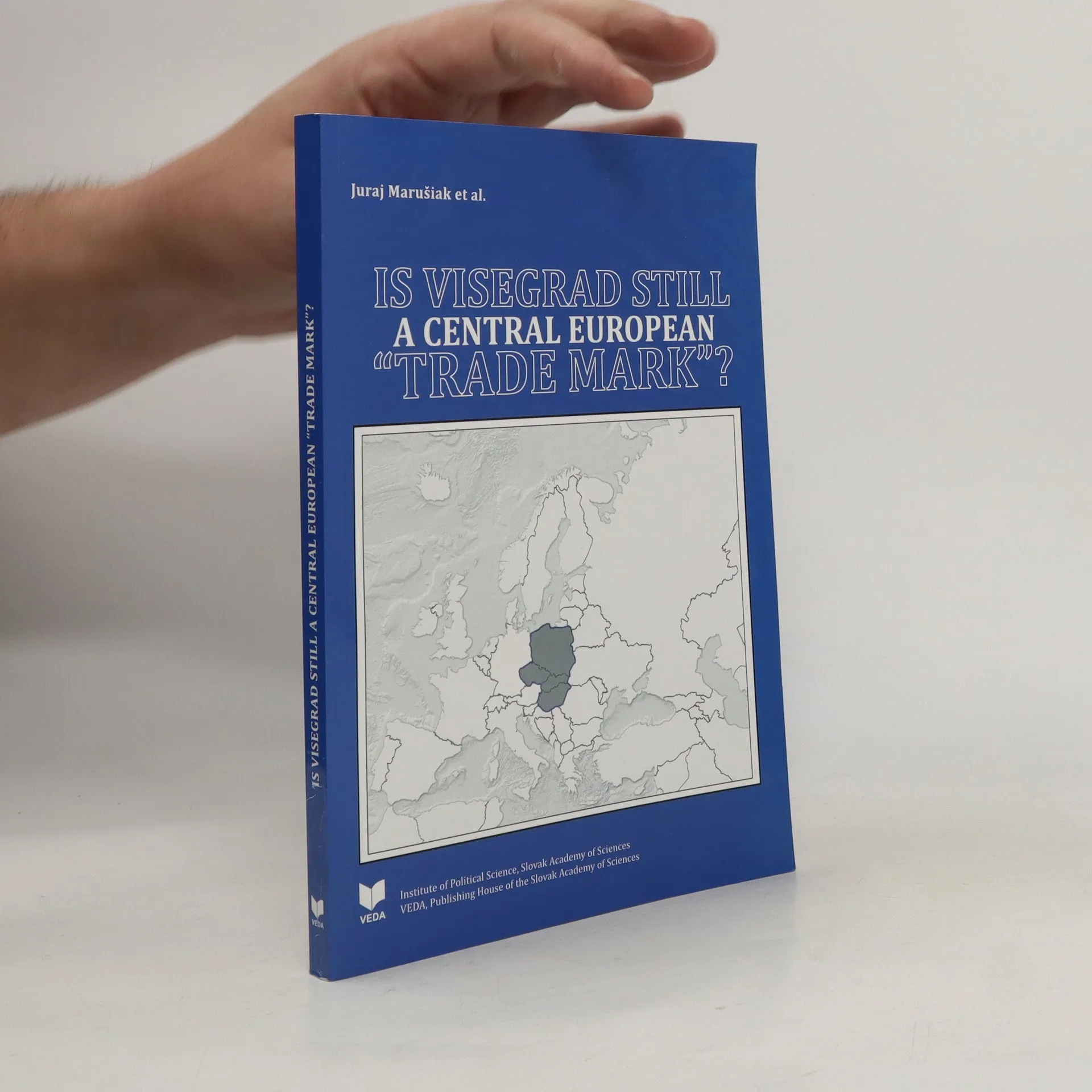
Is Visegrad Still a Central European 'Trade Mark'?, Autorenkollektiv
- Sprache

- Erscheinungsdatum
- 2013
- Einband
- (Paperback)
Keiner hat bisher bewertet.
- Titel
- Is Visegrad Still a Central European 'Trade Mark'?
- Sprache
- Englisch
- Autor*innen
- Autorenkollektiv
- Verlag
- Veda
- Erscheinungsdatum
- 2013
- Einband
- Paperback
- Seitenzahl
- 203
- ISBN10
- 8022413194
- ISBN13
- 9788022413190
- Reihe
- Kategorien
- Schlagwörter
- Beschreibung
- The Visegrad Group faces challenges in end-game negotiations and lacks presence in EU macro-regional strategies, indicating that "hard power" such as economic strength and voting numbers alone cannot enforce its interests at the European level. Conversely, the V4 and its V4+ format serve as respected negotiation platforms within the EU and with third states. This publication posits that the Visegrad Group's influence in EU decision-making stems primarily from its "soft power"—its ability to achieve favorable outcomes because other states wish to align with it or accept its influence. The research explores the content of this soft power and whether the V4 continues to represent a "trademark" for Central European states in the post-accession period. Key aspects examined include V4 cooperation within the EU, military and security collaboration, transit opportunities between East and West, immigration dynamics, and the interplay of religiosity and secularization as components of soft power. The authors conclude that the Visegrad Group remains a vital regional initiative, with the V4+ format enhancing its influence across Central and East-Central Europe. The findings suggest that the V4's role in Europe is growing, contingent upon the states' commitment to cooperation and modernization. While soft power is crucial, economic success relies on investments in education and infrastructure. Ultimately, the Visegrad Group's success is in