

Parameter
- 512 Seiten
- 18 Lesestunden
Mehr zum Buch
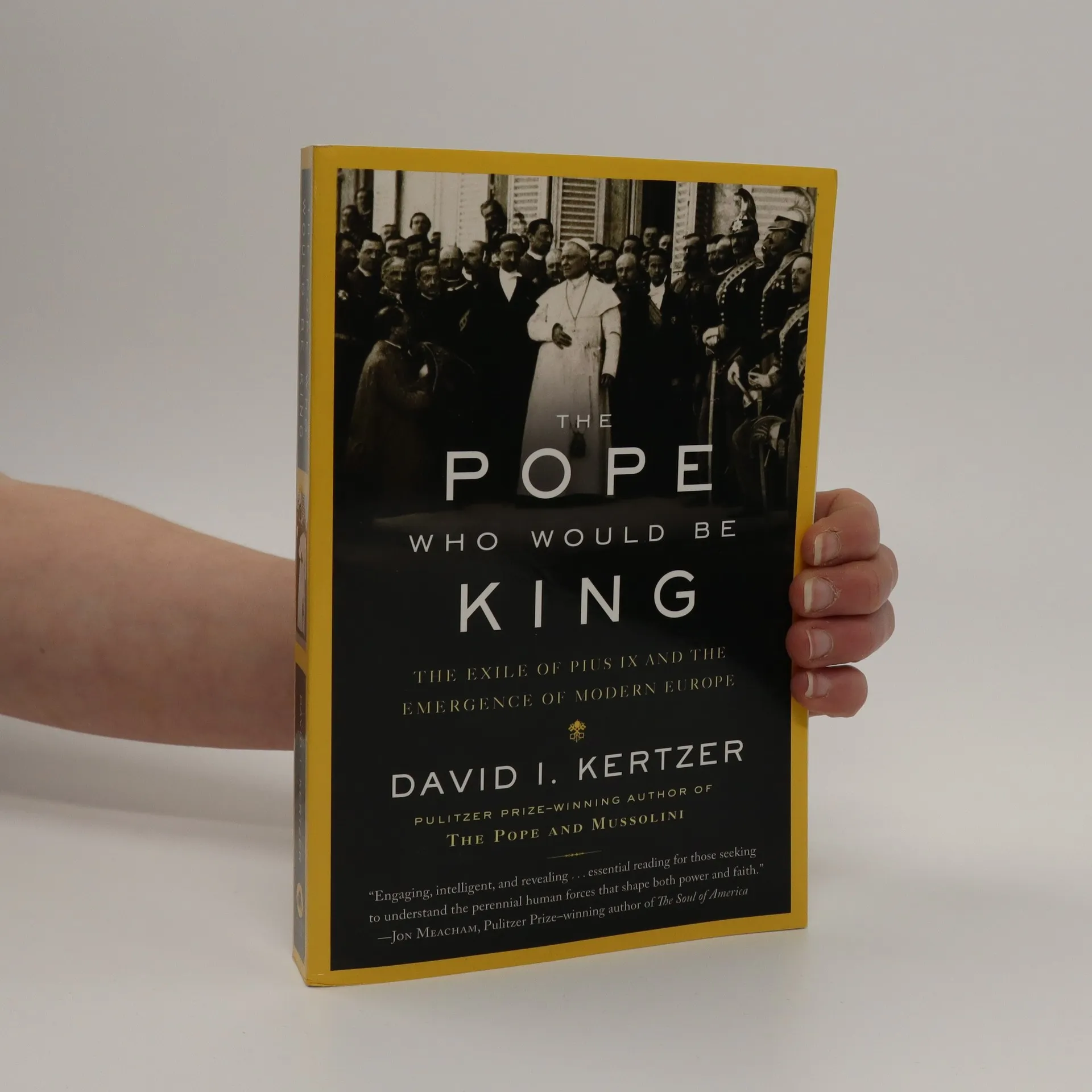
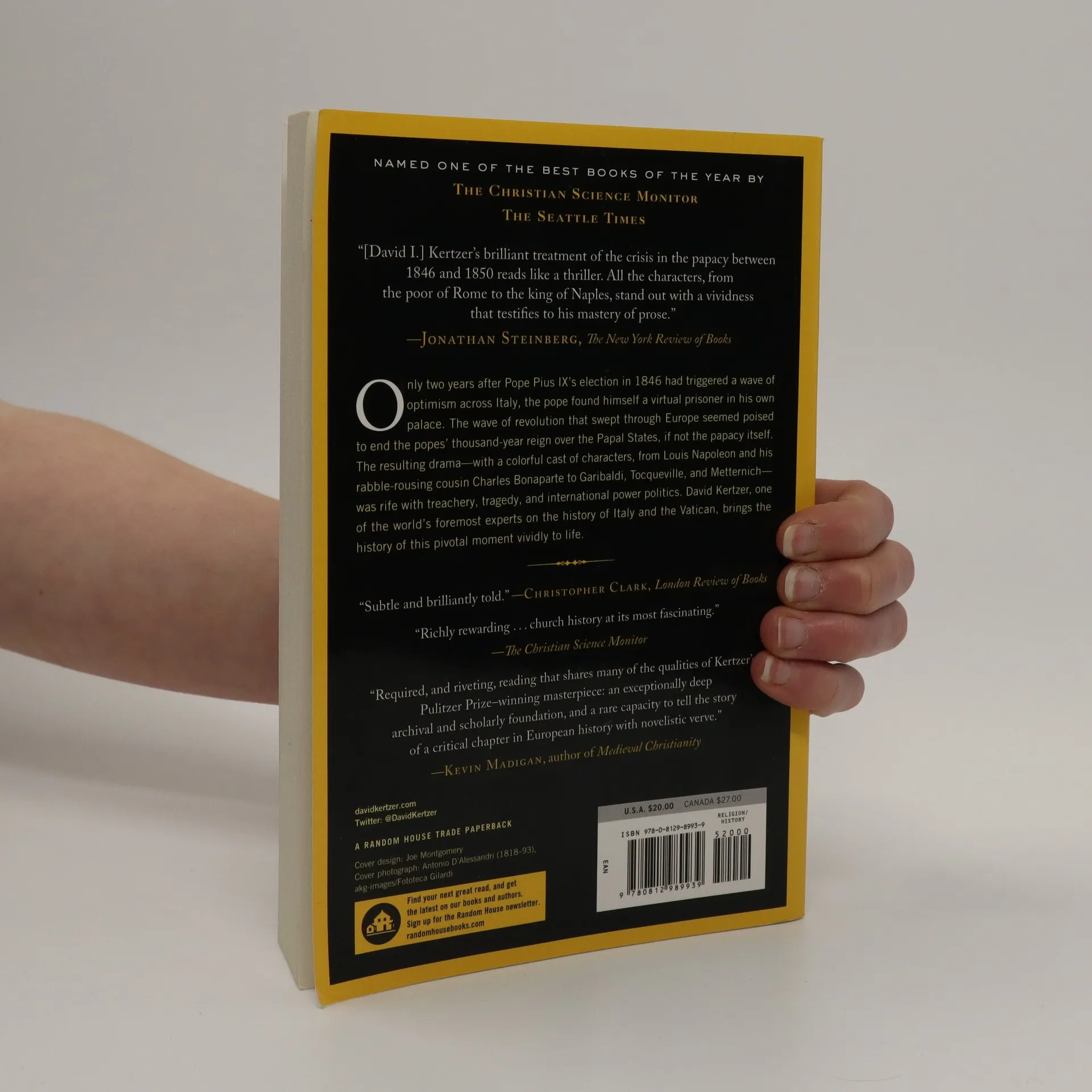
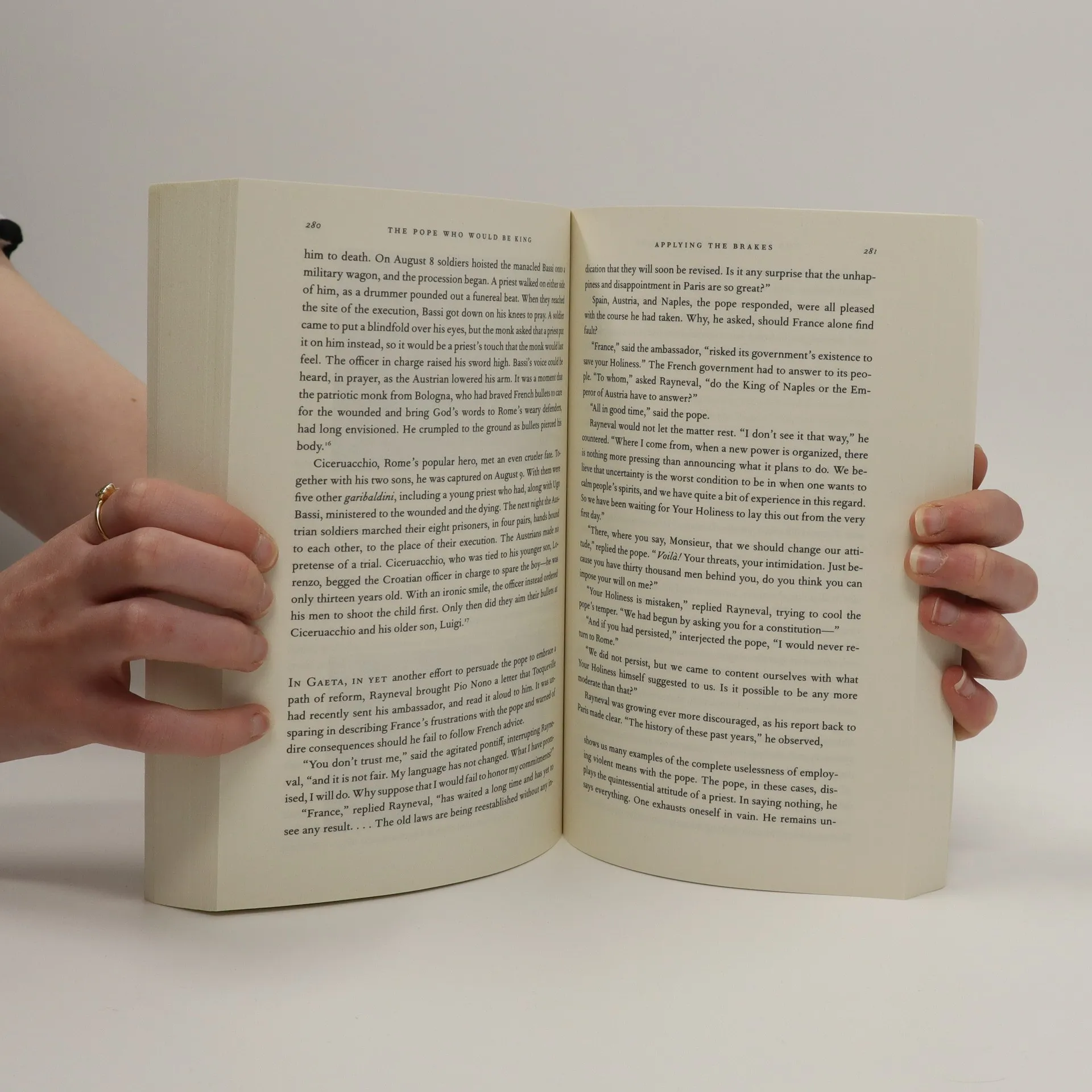
The Pulitzer-winning author of The Pope and Mussolini takes on a central, untold story of the Papacy, the revolution that stripped the Pope of political power and signaled the birth of modern Europe. The longest-reigning pope, Pope Pius IX, also oversaw one of the greatest periods of tumult and transition in Church history. When Pius IX was elected, the pope was still a king as well as a spiritual leader, welcomed by the citizens of the Papal States who hoped he might bring in modern reforms, such as a constitutional government, after the repressive rule of Pope Gregory XVI. In the first year of his rule, Pius IX tried to please his subjects with incremental changes while holding onto absolute authority he believed was divinely ordained. But, as the revolutionary spirit of 1848 swept through Europe, the Pope found he could not have it both ways. By the end of his rule, the Papacy—and Europe—had completely transformed. In The Pope Who Would Be King, David Kertzer tells the story of the revolution that spelled the end of the papacy as an earthly rule and the birth of modern Europe.
Buchkauf
The Pope Who Would Be King, David Kertzer
- Sprache

- Erscheinungsdatum
- 2019
- Einband
- (Paperback)
Hier könnte deine Bewertung stehen.
- Titel
- The Pope Who Would Be King
- Sprache
- Englisch
- Autor*innen
- David Kertzer
- Verlag
- Random House
- Erscheinungsdatum
- 2019
- Einband
- Paperback
- Seitenzahl
- 512
- ISBN10
- 0812989937
- ISBN13
- 9780812989939
- Reihe
- Kategorien
- Schlagwörter
- Historisches Thema, Religiöse Themen, Politik, Geschenke für Opa, Geschichte Europas, Geschichte der Kirche
- Bewertung
- 3,7 von 5 Sternen
- Beschreibung
- The Pulitzer-winning author of The Pope and Mussolini takes on a central, untold story of the Papacy, the revolution that stripped the Pope of political power and signaled the birth of modern Europe. The longest-reigning pope, Pope Pius IX, also oversaw one of the greatest periods of tumult and transition in Church history. When Pius IX was elected, the pope was still a king as well as a spiritual leader, welcomed by the citizens of the Papal States who hoped he might bring in modern reforms, such as a constitutional government, after the repressive rule of Pope Gregory XVI. In the first year of his rule, Pius IX tried to please his subjects with incremental changes while holding onto absolute authority he believed was divinely ordained. But, as the revolutionary spirit of 1848 swept through Europe, the Pope found he could not have it both ways. By the end of his rule, the Papacy—and Europe—had completely transformed. In The Pope Who Would Be King, David Kertzer tells the story of the revolution that spelled the end of the papacy as an earthly rule and the birth of modern Europe.