



Parameter
- 576 Seiten
- 21 Lesestunden
Mehr zum Buch
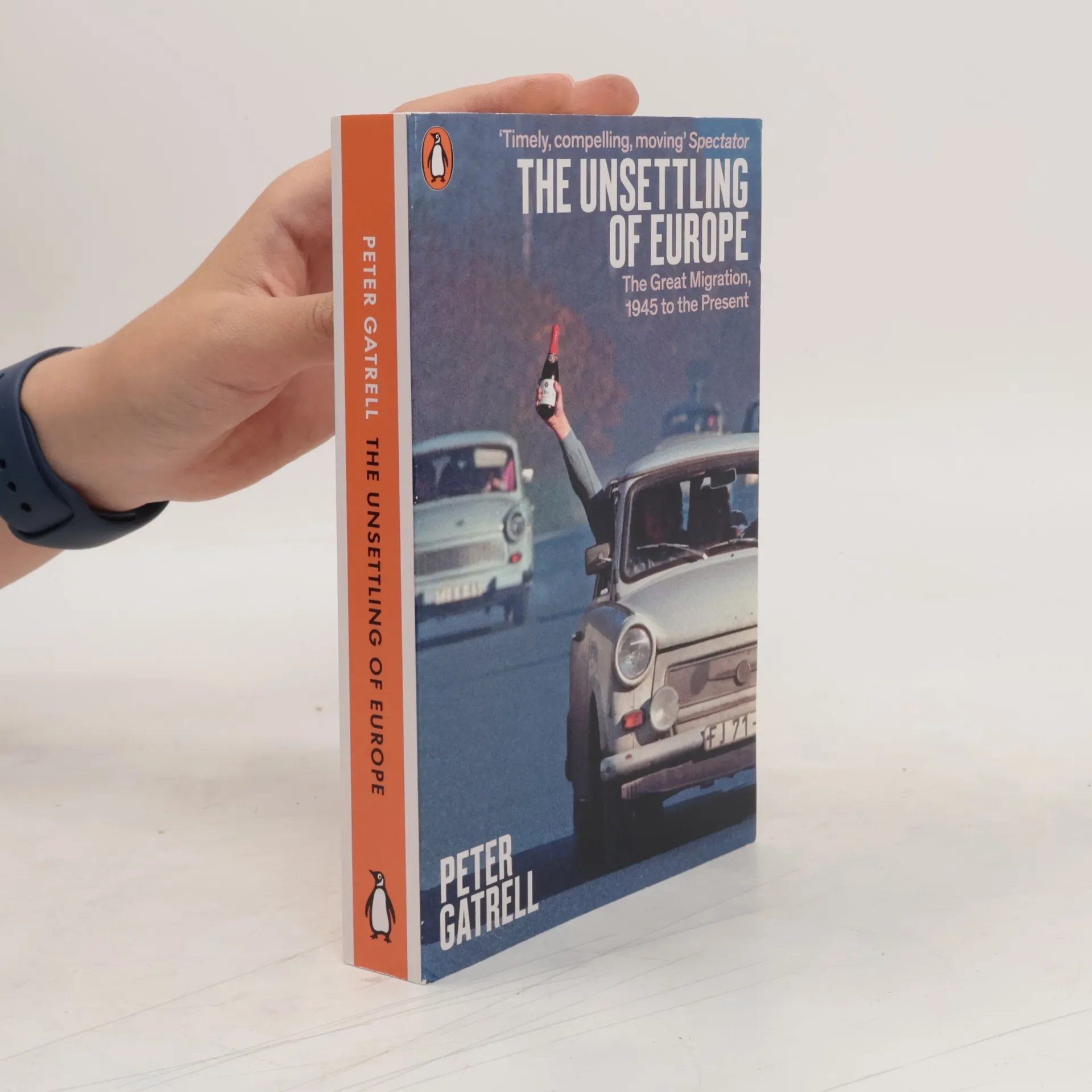
An acclaimed historian examines postwar migration's fundamental role in shaping modern Europe Migration is perhaps the most pressing issue of our time, and it has completely decentered European politics in recent years. But as we consider the current refugee crisis, acclaimed historian Peter Gatrell reminds us that the history of Europe has always been one of people on the move. The end of World War II left Europe in a state of confusion with many Europeans virtually stateless. Later, as former colonial states gained national independence, colonists and their supporters migrated to often-unwelcoming metropoles. The collapse of communism in 1989 marked another fundamental turning point. Gatrell places migration at the center of post-war European history, and the aspirations of migrants themselves at the center of the story of migration. This is an urgent history that will reshape our understanding of modern Europe.
Buchkauf
The Unsettling of Europe, Peter Gatrell
- Sprache

- Erscheinungsdatum
- 2021
- Einband
- (Paperback)
Hier könnte deine Bewertung stehen.
- Titel
- The Unsettling of Europe
- Sprache
- Englisch
- Autor*innen
- Peter Gatrell
- Verlag
- Penguin Books Ltd (UK)
- Erscheinungsdatum
- 2021
- Einband
- Paperback
- Seitenzahl
- 576
- ISBN10
- 0141984791
- ISBN13
- 9780141984797
- Reihe
- Kategorien
- Schlagwörter
- Historisches Thema, Reisen, Politik, Geschenke für Opa, Kultur und Gesellschaft, Geschichte Europas
- Bewertung
- 3,5 von 5 Sternen
- Beschreibung
- An acclaimed historian examines postwar migration's fundamental role in shaping modern Europe Migration is perhaps the most pressing issue of our time, and it has completely decentered European politics in recent years. But as we consider the current refugee crisis, acclaimed historian Peter Gatrell reminds us that the history of Europe has always been one of people on the move. The end of World War II left Europe in a state of confusion with many Europeans virtually stateless. Later, as former colonial states gained national independence, colonists and their supporters migrated to often-unwelcoming metropoles. The collapse of communism in 1989 marked another fundamental turning point. Gatrell places migration at the center of post-war European history, and the aspirations of migrants themselves at the center of the story of migration. This is an urgent history that will reshape our understanding of modern Europe.