

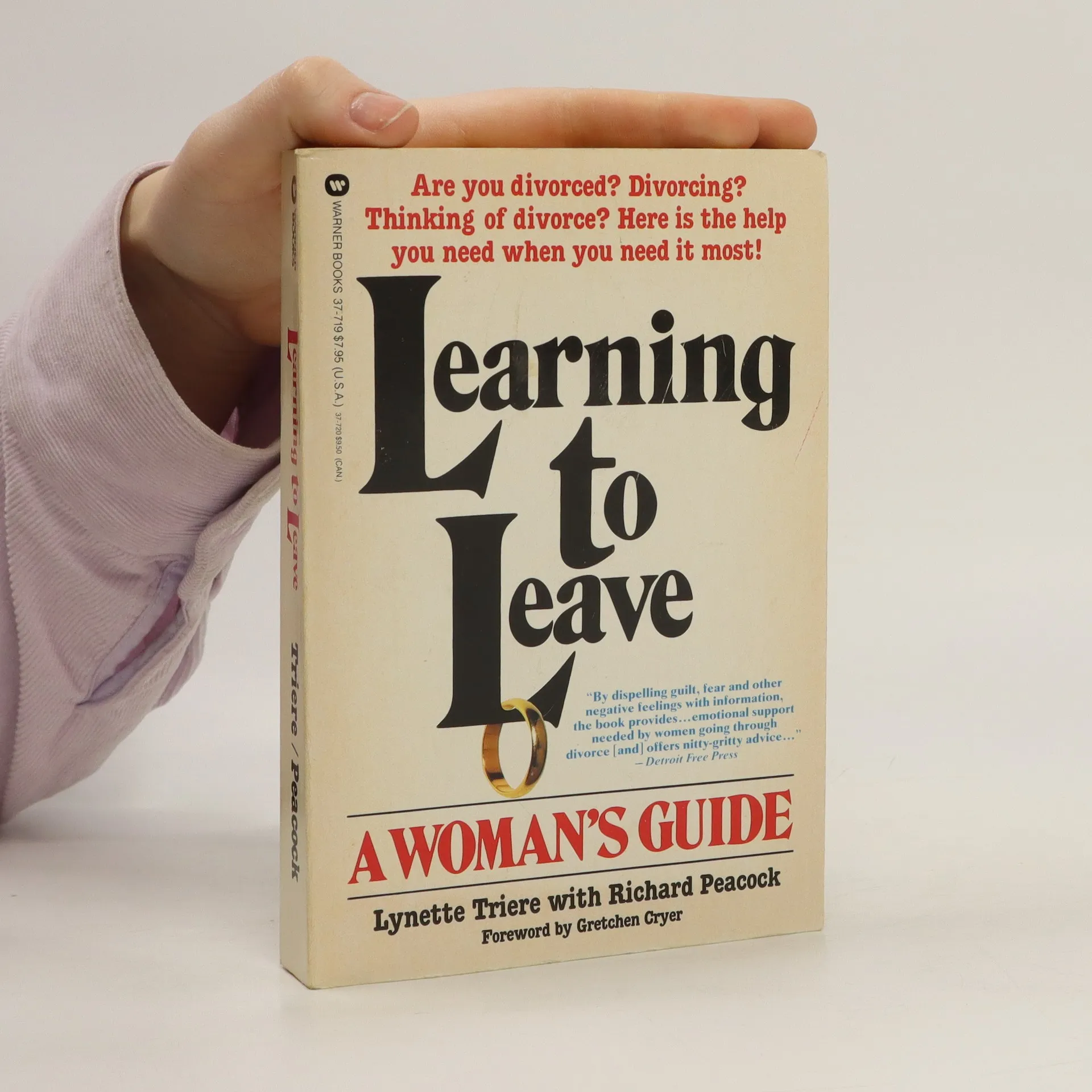



Learning to Leave
Autor*innen
Mehr zum Buch
Published with a new preface, this innovative case study from Nova Scotia analyzes the relationship between rural communities and contemporary education. Rather than supporting place-sensitive curricula and establishing networks within community populations, the rural school has too often stood apart from local life, with the generally unintended consequence that many educationally successful rural youth come to see their communities and lifestyles as places to be left behind. They face what Michael Corbett calls a mobility imperative, which, he shows, has been central to contemporary schooling. Learning to Leave argues that if education is to be democratic and serve the purpose of economic, social, and cultural development, then it must adapt and respond to the specificity of its locale, the knowledge practices of the people, and the needs of those who struggle to remain in challenged rural places.
Buchkauf
Learning to Leave, Lynette Triere, Richard Peacock
- Sprache

- Erscheinungsdatum
- 1983
- Einband
- (Paperback)
Keiner hat bisher bewertet.
- Titel
- Learning to Leave
- Sprache
- Englisch
- Autor*innen
- Lynette Triere, Richard Peacock
- Verlag
- Warner Books
- Erscheinungsdatum
- 1983
- Einband
- Paperback
- Seitenzahl
- 312
- ISBN10
- 1949199533
- ISBN13
- 9781949199536
- Reihe
- Schlagwörter
- Beschreibung
- Published with a new preface, this innovative case study from Nova Scotia analyzes the relationship between rural communities and contemporary education. Rather than supporting place-sensitive curricula and establishing networks within community populations, the rural school has too often stood apart from local life, with the generally unintended consequence that many educationally successful rural youth come to see their communities and lifestyles as places to be left behind. They face what Michael Corbett calls a mobility imperative, which, he shows, has been central to contemporary schooling. Learning to Leave argues that if education is to be democratic and serve the purpose of economic, social, and cultural development, then it must adapt and respond to the specificity of its locale, the knowledge practices of the people, and the needs of those who struggle to remain in challenged rural places.