


Mehr zum Buch
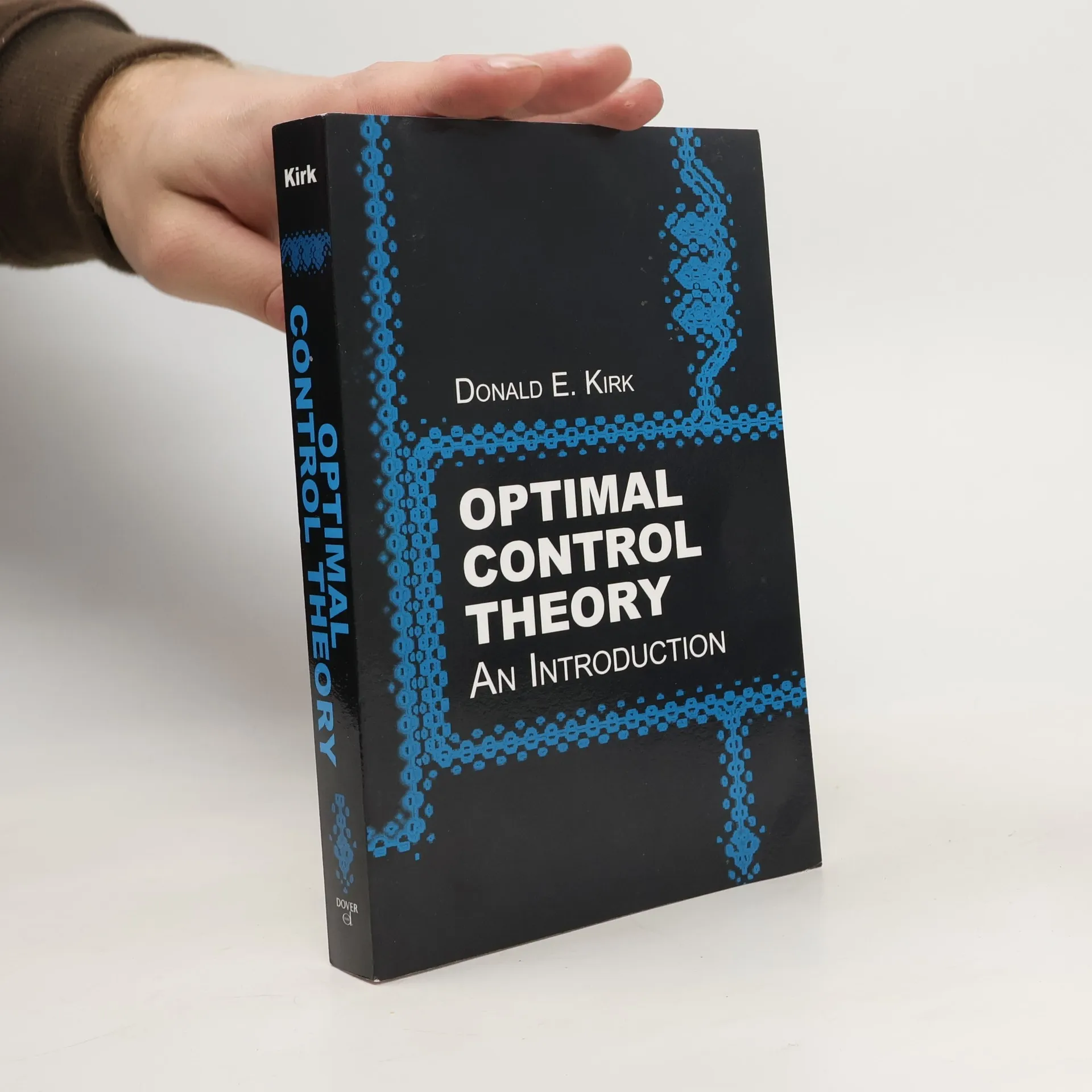
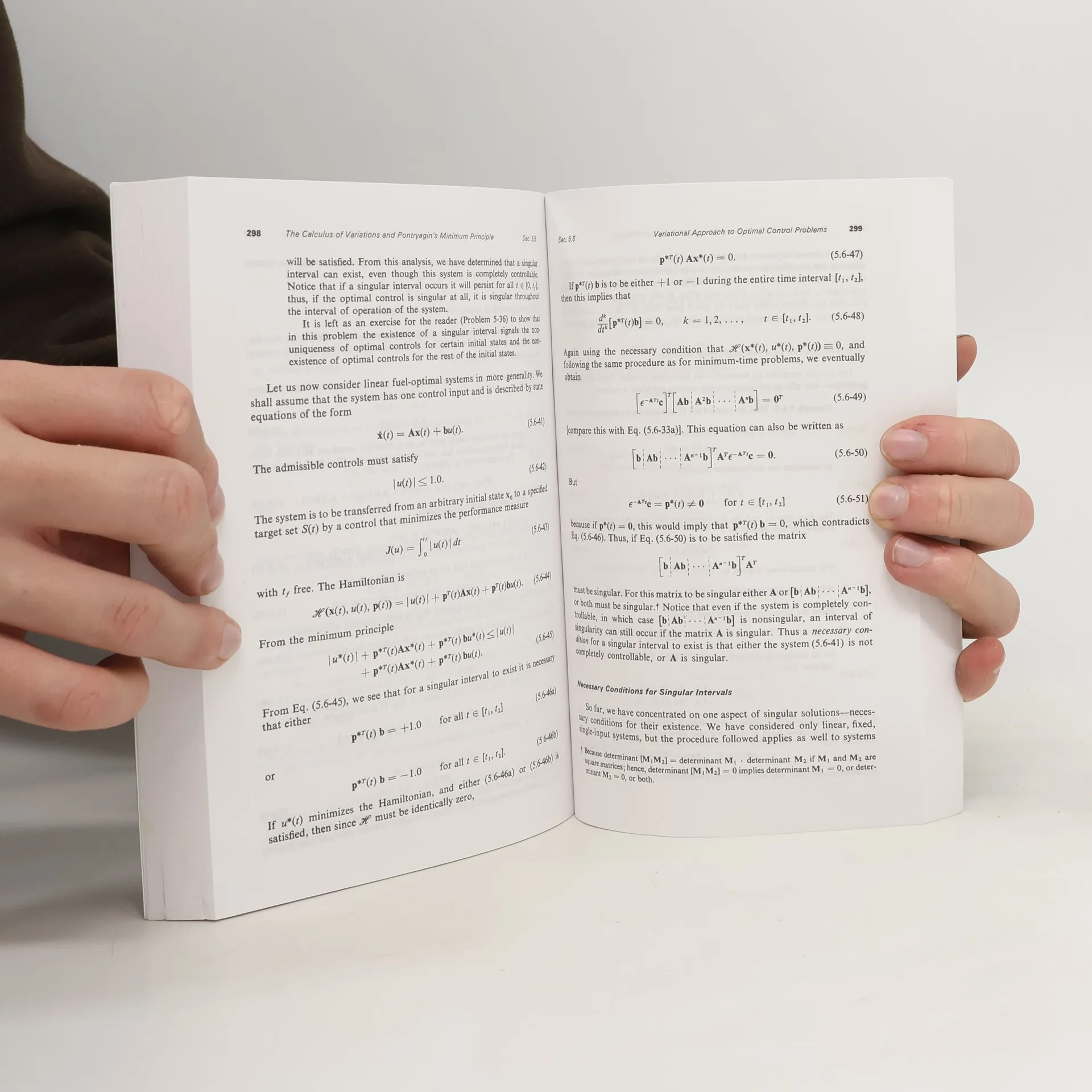
Optimal control theory is the science of maximizing the returns from and minimizing the costs of the operation of physical, social, and economic processes. Geared toward upper-level undergraduates, this text introduces three aspects of optimal control dynamic programming, Pontryagin's minimum principle, and numerical techniques for trajectory optimization.Chapters 1 and 2 focus on describing systems and evaluating their performances. Chapter 3 deals with dynamic programming. The calculus of variations and Pontryagin's minimum principle are the subjects of chapters 4 and 5, and chapter 6 examines iterative numerical techniques for finding optimal controls and trajectories. Numerous problems, intended to introduce additional topics as well as to illustrate basic concepts, appear throughout the text.
Buchkauf
Optimal Control Theory. An Introduction, Donald E. Kirk
- Sprache

- Erscheinungsdatum
- 2004
- Einband
- (Paperback)
Hier könnte deine Bewertung stehen.
- Titel
- Optimal Control Theory. An Introduction
- Sprache
- Englisch
- Autor*innen
- Donald E. Kirk
- Verlag
- Dover Publications
- Erscheinungsdatum
- 2004
- Einband
- Paperback
- Seitenzahl
- 464
- ISBN10
- 0486434842
- ISBN13
- 9780486434841
- Reihe
- Kategorien
- Schlagwörter
- Handbücher und Anleitungen, Wissenschaft, Mathematik-Lehrbücher, Forschung, Maschinenbau
- Bewertung
- 4,2 von 5 Sternen
- Beschreibung
- Optimal control theory is the science of maximizing the returns from and minimizing the costs of the operation of physical, social, and economic processes. Geared toward upper-level undergraduates, this text introduces three aspects of optimal control dynamic programming, Pontryagin's minimum principle, and numerical techniques for trajectory optimization.Chapters 1 and 2 focus on describing systems and evaluating their performances. Chapter 3 deals with dynamic programming. The calculus of variations and Pontryagin's minimum principle are the subjects of chapters 4 and 5, and chapter 6 examines iterative numerical techniques for finding optimal controls and trajectories. Numerous problems, intended to introduce additional topics as well as to illustrate basic concepts, appear throughout the text.