

Mehr zum Buch
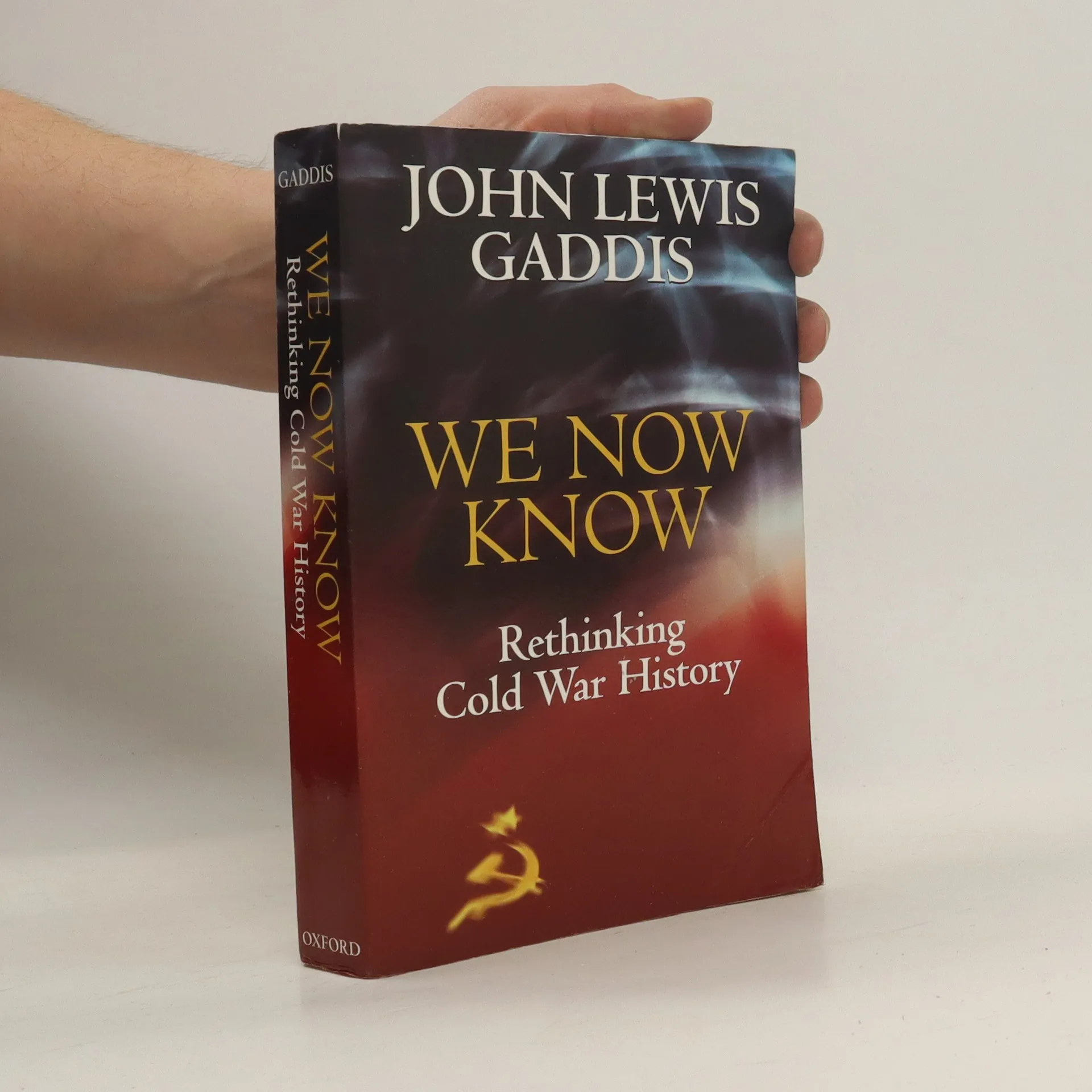
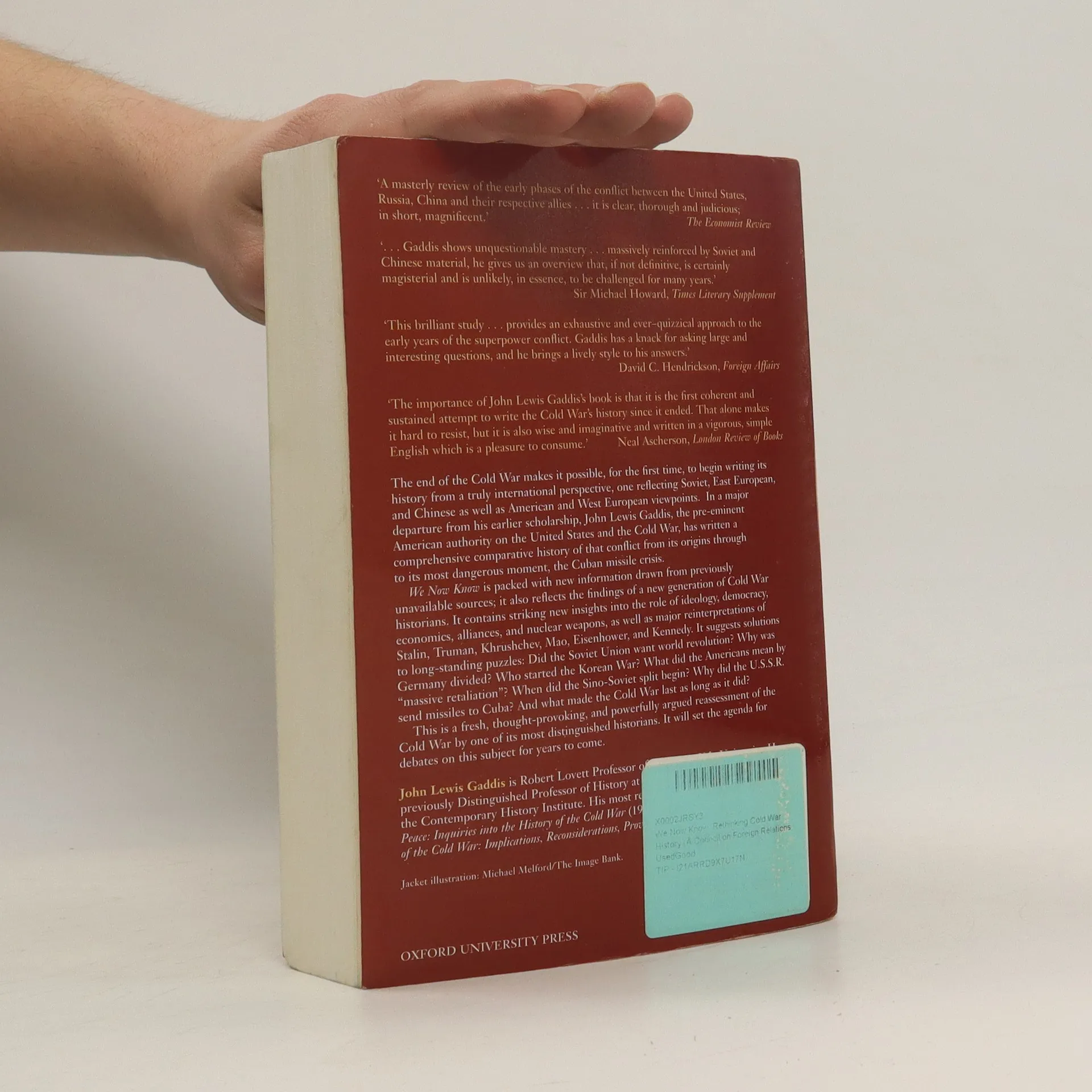
Did the Soviet Union want world revolution? Why did the USSR send missiles to Cuba? What made the Cold War last as long as it did? The end of the Cold War makes it possible, for the first time, to begin writing its history from a truly international perspective. Based on the latest findings of Cold War historians and extensive research in American archives as well as the recently opened archives in Eastern Europe, the former Soviet Union, and China, We Now Know provides a vividly written, eye-opening account of the Cold War during the years from the end of World War II to its most dangerous moment, the Cuban missile crisis.We Now Know stands as a powerful vindication of US policy throughout the period, and as a thought-provoking reassessment of the Cold War by one of its most distinguished historians.
Buchkauf
We Now Know : Rethinking Cold War History, John Lewis Gaddis
- Sprache

- Erscheinungsdatum
- 1998
- Einband
- (Paperback)
Hier könnte deine Bewertung stehen.
- Titel
- We Now Know : Rethinking Cold War History
- Sprache
- Englisch
- Autor*innen
- John Lewis Gaddis
- Erscheinungsdatum
- 1998
- Einband
- Paperback
- Seitenzahl
- 436
- ISBN10
- 0198780710
- ISBN13
- 9780198780717
- Reihe
- Kategorien
- Schlagwörter
- Historisches Thema, Politik, Kriegsliteratur, Schule, Russland, Geschichte der USA
- Bewertung
- 3,8 von 5 Sternen
- Beschreibung
- Did the Soviet Union want world revolution? Why did the USSR send missiles to Cuba? What made the Cold War last as long as it did? The end of the Cold War makes it possible, for the first time, to begin writing its history from a truly international perspective. Based on the latest findings of Cold War historians and extensive research in American archives as well as the recently opened archives in Eastern Europe, the former Soviet Union, and China, We Now Know provides a vividly written, eye-opening account of the Cold War during the years from the end of World War II to its most dangerous moment, the Cuban missile crisis.We Now Know stands as a powerful vindication of US policy throughout the period, and as a thought-provoking reassessment of the Cold War by one of its most distinguished historians.