

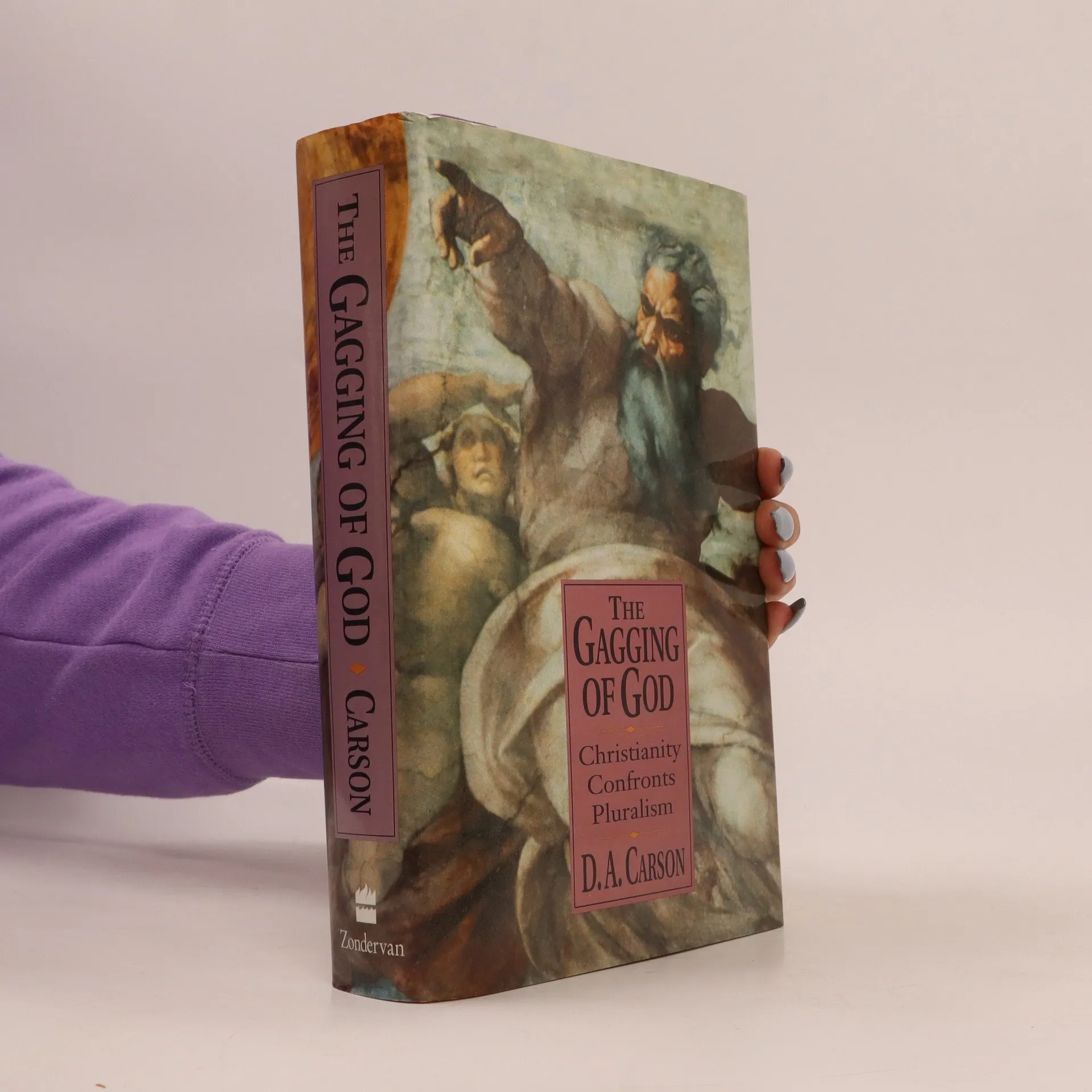


The gagging of God : Christianity confronts pluralism
Autor*innen
Buchbewertung
Mehr zum Buch
After an initial survey of pluralism, The Gagging of God divides into four parts: Part 1 looks at the history behind modern pluralism, especially the revolution in hermeneutics, literary theory, and epistemology; part 2 addresses religious pluralism, notably the work of John Hick and David Tracy, and considers inclusivists such as Clark Pinnock and John Sanders. It argues for the Bible's foundational "plot-line" that resists liberal interpretations, and it explores what is meant by the uniqueness of Christ; part 3 analyzes the Christian's stance in a pluralistic culture across such diverse fields as education, law, and morals; and part 4 looks at how pluralism has penetrated the evangelical camp. It considers particular issues, such as the modern church's aversion to the subject of hell, and addresses the broader questions raised by contextualization and globalization. It offers a thoughtful look at how to evangelize in a postmodern generation. The Gagging of God presents a persuasive case for Christ as not merely one among many ways, but the only way for people to come to a saving knowledge of God
Buchkauf
The gagging of God : Christianity confronts pluralism, D. A. Donald Arthur Carson
- Sprache

- Erscheinungsdatum
- 1996
- Einband
- (Hardcover)
Hier könnte deine Bewertung stehen.
- Titel
- The gagging of God : Christianity confronts pluralism
- Sprache
- Englisch
- Autor*innen
- D. A. Donald Arthur Carson
- Erscheinungsdatum
- 1996
- Einband
- Hardcover
- Seitenzahl
- 640
- ISBN10
- 031047910x
- ISBN13
- 9780310479109
- Reihe
- Schlagwörter
- Religiöse Themen, Philosophisches Thema, Christliche Themen, Theologie, Kultur und Gesellschaft
- Bewertung
- 4 von 5 Sternen
- Beschreibung
- After an initial survey of pluralism, The Gagging of God divides into four parts: Part 1 looks at the history behind modern pluralism, especially the revolution in hermeneutics, literary theory, and epistemology; part 2 addresses religious pluralism, notably the work of John Hick and David Tracy, and considers inclusivists such as Clark Pinnock and John Sanders. It argues for the Bible's foundational "plot-line" that resists liberal interpretations, and it explores what is meant by the uniqueness of Christ; part 3 analyzes the Christian's stance in a pluralistic culture across such diverse fields as education, law, and morals; and part 4 looks at how pluralism has penetrated the evangelical camp. It considers particular issues, such as the modern church's aversion to the subject of hell, and addresses the broader questions raised by contextualization and globalization. It offers a thoughtful look at how to evangelize in a postmodern generation. The Gagging of God presents a persuasive case for Christ as not merely one among many ways, but the only way for people to come to a saving knowledge of God