

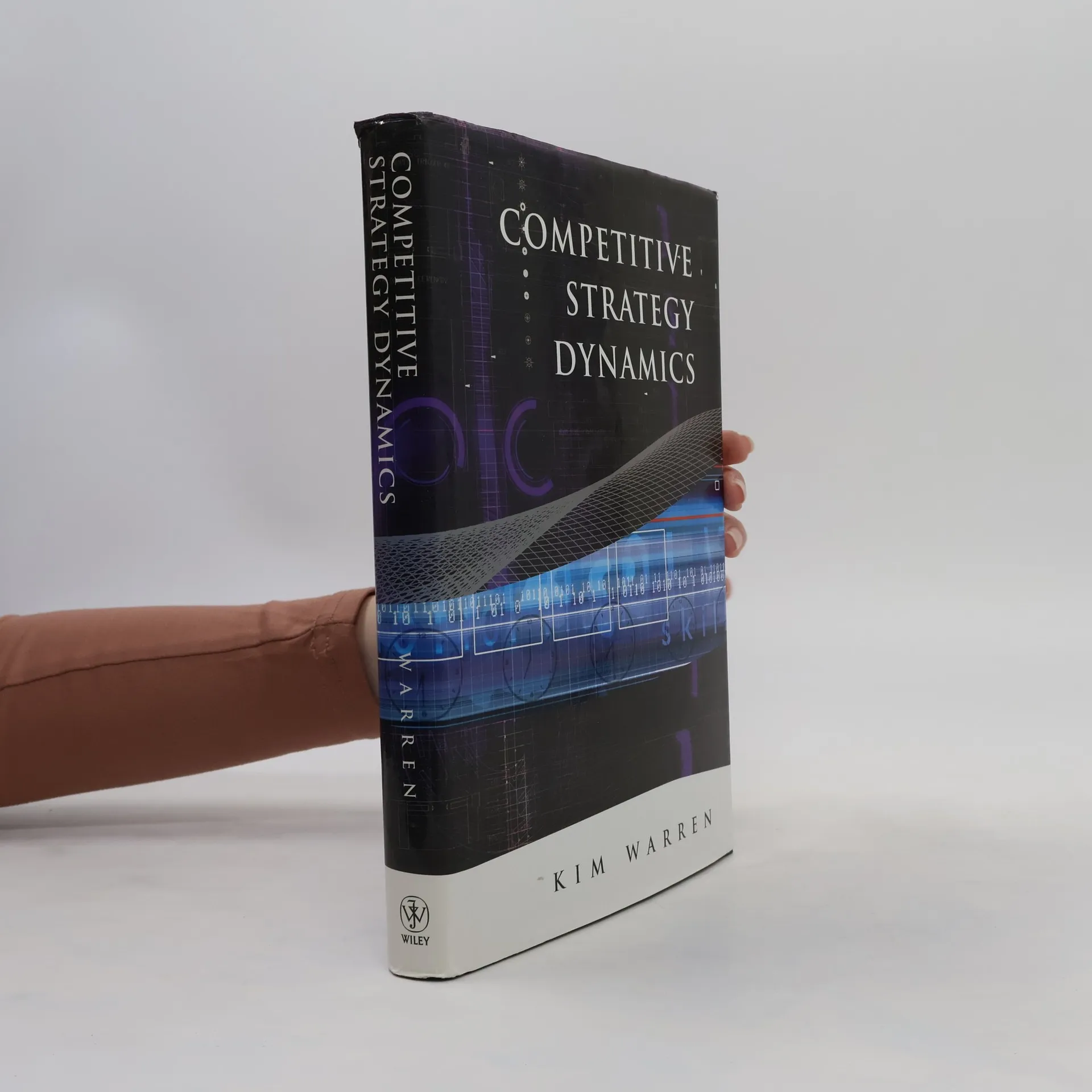


Mehr zum Buch
This book offers a practical, fact-based approach to explain how enterprises deliver performance over time. Rigorous methods explain how to quantify the growth, decline and interdependence within the organisation's resources and capabilities as well as the continuous interactions with competitors and other external factors. These methods create clear and practical pictures of the strategic architecture driving earnings and other performance outcomes, not just for commercial firms, but for non-profit cases too. Management is then well-equipped to answer three crucial questions in their strategy development : why has the business performed as it has to date? where is performance headed in the future if we carry on as now? and how can we alter this future for the better? The book provides the basis for an entire course on the time-based perspective on competitive strategy, connecting strongly to established static frameworks. Alternatively it offers a vital missing component for existing courses in strategy and general management, as well as a key reference text for professionals in corporate development, consulting and business analysis.
Buchkauf
Competitive Strategy Dynamics, Kim Warren
- Sprache

- Erscheinungsdatum
- 2002
- Einband
- (Hardcover)
Hier könnte deine Bewertung stehen.
- Titel
- Competitive Strategy Dynamics
- Sprache
- Englisch
- Autor*innen
- Kim Warren
- Verlag
- WILEY
- Erscheinungsdatum
- 2002
- Einband
- Hardcover
- ISBN10
- 0471899496
- ISBN13
- 9780471899495
- Reihe
- Kategorien
- Schlagwörter
- Handel
- Bewertung
- 4,25 von 5 Sternen
- Beschreibung
- This book offers a practical, fact-based approach to explain how enterprises deliver performance over time. Rigorous methods explain how to quantify the growth, decline and interdependence within the organisation's resources and capabilities as well as the continuous interactions with competitors and other external factors. These methods create clear and practical pictures of the strategic architecture driving earnings and other performance outcomes, not just for commercial firms, but for non-profit cases too. Management is then well-equipped to answer three crucial questions in their strategy development : why has the business performed as it has to date? where is performance headed in the future if we carry on as now? and how can we alter this future for the better? The book provides the basis for an entire course on the time-based perspective on competitive strategy, connecting strongly to established static frameworks. Alternatively it offers a vital missing component for existing courses in strategy and general management, as well as a key reference text for professionals in corporate development, consulting and business analysis.