



Mehr zum Buch
Work. Family. Church. Hobbies. Physical fitness. Housekeeping. Socializing. Fitting everything in is a delicate balancing act where something -- or someone -- is inevitably overlooked. The problem, writes author Andy Stanley, is not a lack of discipline or time management -- it's simply lack of "time." With only 24 hours in each day, we sometimes need to "rob Peter to pay Paul." We have to choose to cheat. The key is learning when and where to cheat, argues Stanley, and home is never the right choice. When we cheat our family, we say, "you are important, but work "(or football, or shopping, or whatever occupies your time) "is more important." We are, in a sense, devaluing each other.It may mean coming home from work an hour earlier, letting the dishes sit while you play with your child, or missing a round of golf. But your "cheating" will express security and worth to your family.
Buchkauf
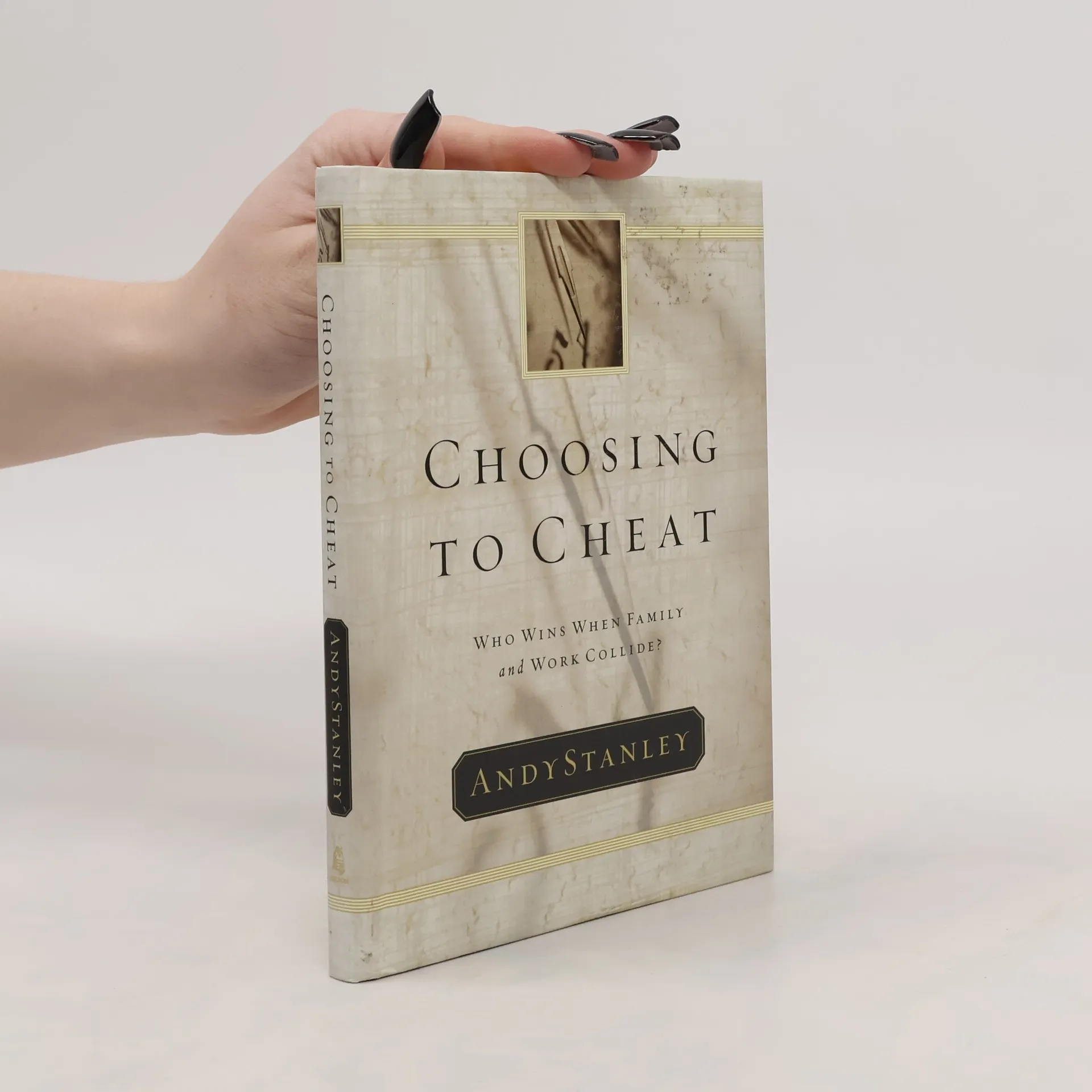
Choosing to Cheat, Andy Stanley
- Sprache

- Erscheinungsdatum
- 2002
- Einband
- (Hardcover)
Hier könnte deine Bewertung stehen.
- Titel
- Choosing to Cheat
- Untertitel
- Who Wins when Family and Work Collide?
- Sprache
- Englisch
- Autor*innen
- Andy Stanley
- Verlag
- Thomas Nelson Publishers
- Erscheinungsdatum
- 2002
- Einband
- Hardcover
- ISBN10
- 0785265244
- ISBN13
- 9780785265245
- Reihe
- Schlagwörter
- Religiöse Themen, Familie, Christliche Themen, Glaube, Führung, Ehe
- Bewertung
- 4,1 von 5 Sternen
- Beschreibung
- Work. Family. Church. Hobbies. Physical fitness. Housekeeping. Socializing. Fitting everything in is a delicate balancing act where something -- or someone -- is inevitably overlooked. The problem, writes author Andy Stanley, is not a lack of discipline or time management -- it's simply lack of "time." With only 24 hours in each day, we sometimes need to "rob Peter to pay Paul." We have to choose to cheat. The key is learning when and where to cheat, argues Stanley, and home is never the right choice. When we cheat our family, we say, "you are important, but work "(or football, or shopping, or whatever occupies your time) "is more important." We are, in a sense, devaluing each other.It may mean coming home from work an hour earlier, letting the dishes sit while you play with your child, or missing a round of golf. But your "cheating" will express security and worth to your family.