


Mehr zum Buch
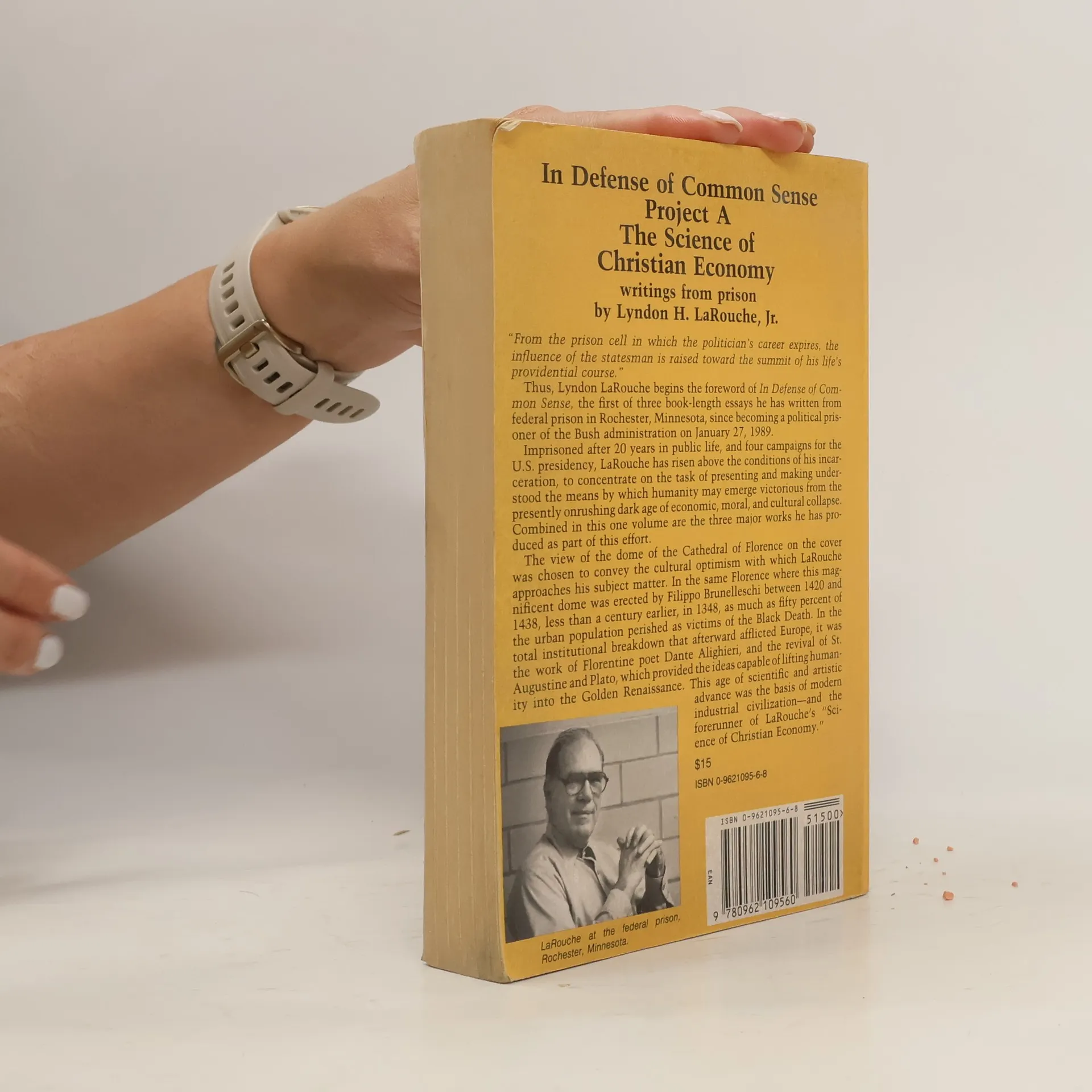
This poor but precious civilization of ours could yet be rescued from what may appear to many as the accelerating onrush of apocalyptic doom. This civilization could be saved—if we earn that. If we are not all to drown, your neighbor too must learn now to swim. What therefore did you urgently need to know, which I had either neglected to tell you, or perhaps had not said clearly enough? What did you require most urgently, that you might rescue us from your neighbor’s folly? A grander strategic perspective, a more alluring set of programs of economic reconstruction? I thought that was not where my omission lay. What your neighbor required, most urgently, was not instruction on what to think, but remedial assistance in the matter of how to think. One must never make apology for saying even unpleasant things which are needed, most urgently, to be said. One need not apologize for saying that as well as possible—if no one else were saying it better. I wish devoutly it were better; but nonetheless, it had been better said than not.
Buchkauf
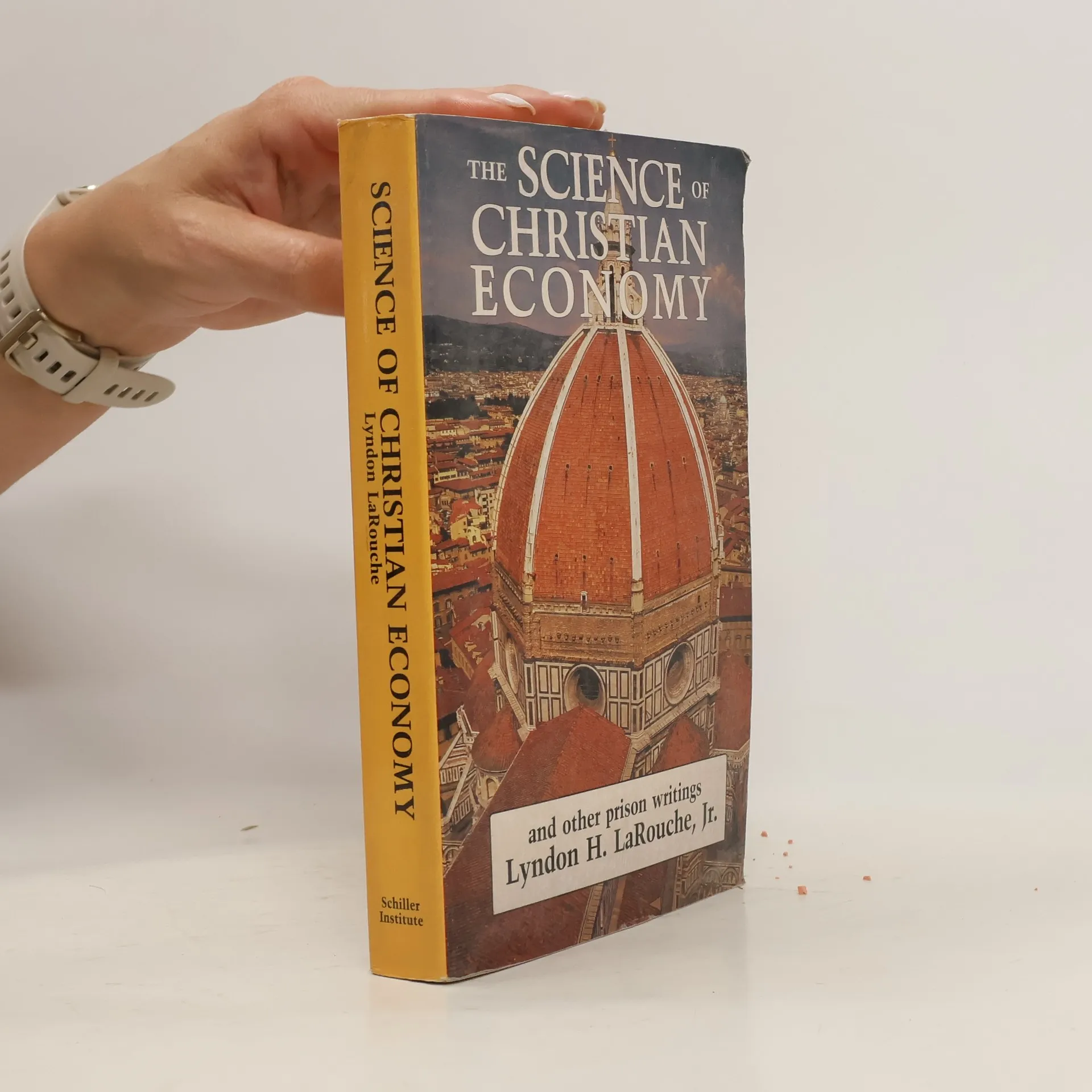
The Science of Christian Economy, Autorenkollektiv
- Sprache

- Erscheinungsdatum
- 1992
- Einband
- (Paperback)
Hier könnte deine Bewertung stehen.
- Titel
- The Science of Christian Economy
- Sprache
- Englisch
- Autor*innen
- Autorenkollektiv
- Erscheinungsdatum
- 1992
- Einband
- Paperback
- Seitenzahl
- 506
- ISBN10
- 0962109568
- ISBN13
- 9780962109560
- Reihe
- Kategorien
- Bewertung
- 5 von 5 Sternen
- Beschreibung
- This poor but precious civilization of ours could yet be rescued from what may appear to many as the accelerating onrush of apocalyptic doom. This civilization could be saved—if we earn that. If we are not all to drown, your neighbor too must learn now to swim. What therefore did you urgently need to know, which I had either neglected to tell you, or perhaps had not said clearly enough? What did you require most urgently, that you might rescue us from your neighbor’s folly? A grander strategic perspective, a more alluring set of programs of economic reconstruction? I thought that was not where my omission lay. What your neighbor required, most urgently, was not instruction on what to think, but remedial assistance in the matter of how to think. One must never make apology for saying even unpleasant things which are needed, most urgently, to be said. One need not apologize for saying that as well as possible—if no one else were saying it better. I wish devoutly it were better; but nonetheless, it had been better said than not.