

Mehr zum Buch
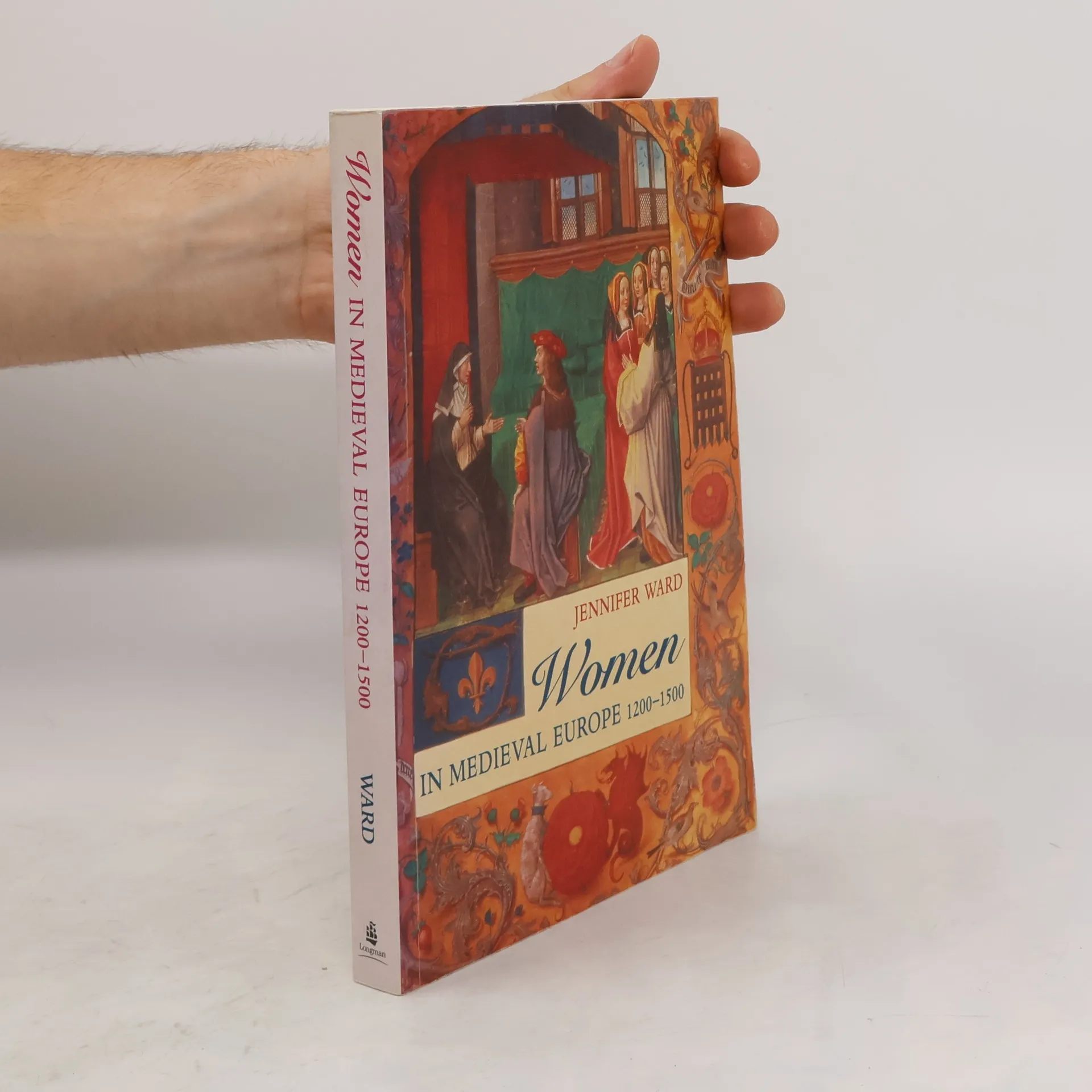
Women in Medieval Europe were expected to be submissive, but such a broad picture ignores great areas of female experience. Between the thirteenth and fifteenth centuries, women are found in the workplace as well as the home, and some women were numbered among the key rulers, saints and mystics of the medieval world. Opportunities and activities changed over time, and by 1500 the world of work was becoming increasingly restricted for women.Women of all social groups were primarily engaged with their families, looking after husband and children, and running the household. Patterns of work varied geographically. In the northern towns, women engaged in a wide range of crafts, with a small number becoming entrepreneurs. Many of the poor made a living as servants and labourers. Prostitution flourished in many medieval towns. Some women turned to the religious life, and here opportunities burgeoned in the thirteenth century. The Middle Ages are not remote from the twenty-first century; the lives of medieval women evoke a response today. The medieval mother faced similar problems to her modern counterpart. The sheer variety of women's experience in the later Middle Ages is fully brought out in this book.
Buchkauf
Women in Medieval Europe, Jennifer C. Ward
- Sprache

- Erscheinungsdatum
- 2002
- Einband
- (Paperback)
Hier könnte deine Bewertung stehen.
- Titel
- Women in Medieval Europe
- Untertitel
- 1200-1500
- Sprache
- Englisch
- Autor*innen
- Jennifer C. Ward
- Verlag
- Longman
- Erscheinungsdatum
- 2002
- Einband
- Paperback
- Seitenzahl
- 322
- ISBN10
- 0582288274
- ISBN13
- 9780582288270
- Reihe
- Schlagwörter
- Historisches Thema, Frauen, Europa, Persönlichkeiten, Mittelalter
- Bewertung
- 4 von 5 Sternen
- Beschreibung
- Women in Medieval Europe were expected to be submissive, but such a broad picture ignores great areas of female experience. Between the thirteenth and fifteenth centuries, women are found in the workplace as well as the home, and some women were numbered among the key rulers, saints and mystics of the medieval world. Opportunities and activities changed over time, and by 1500 the world of work was becoming increasingly restricted for women.Women of all social groups were primarily engaged with their families, looking after husband and children, and running the household. Patterns of work varied geographically. In the northern towns, women engaged in a wide range of crafts, with a small number becoming entrepreneurs. Many of the poor made a living as servants and labourers. Prostitution flourished in many medieval towns. Some women turned to the religious life, and here opportunities burgeoned in the thirteenth century. The Middle Ages are not remote from the twenty-first century; the lives of medieval women evoke a response today. The medieval mother faced similar problems to her modern counterpart. The sheer variety of women's experience in the later Middle Ages is fully brought out in this book.