


Mehr zum Buch
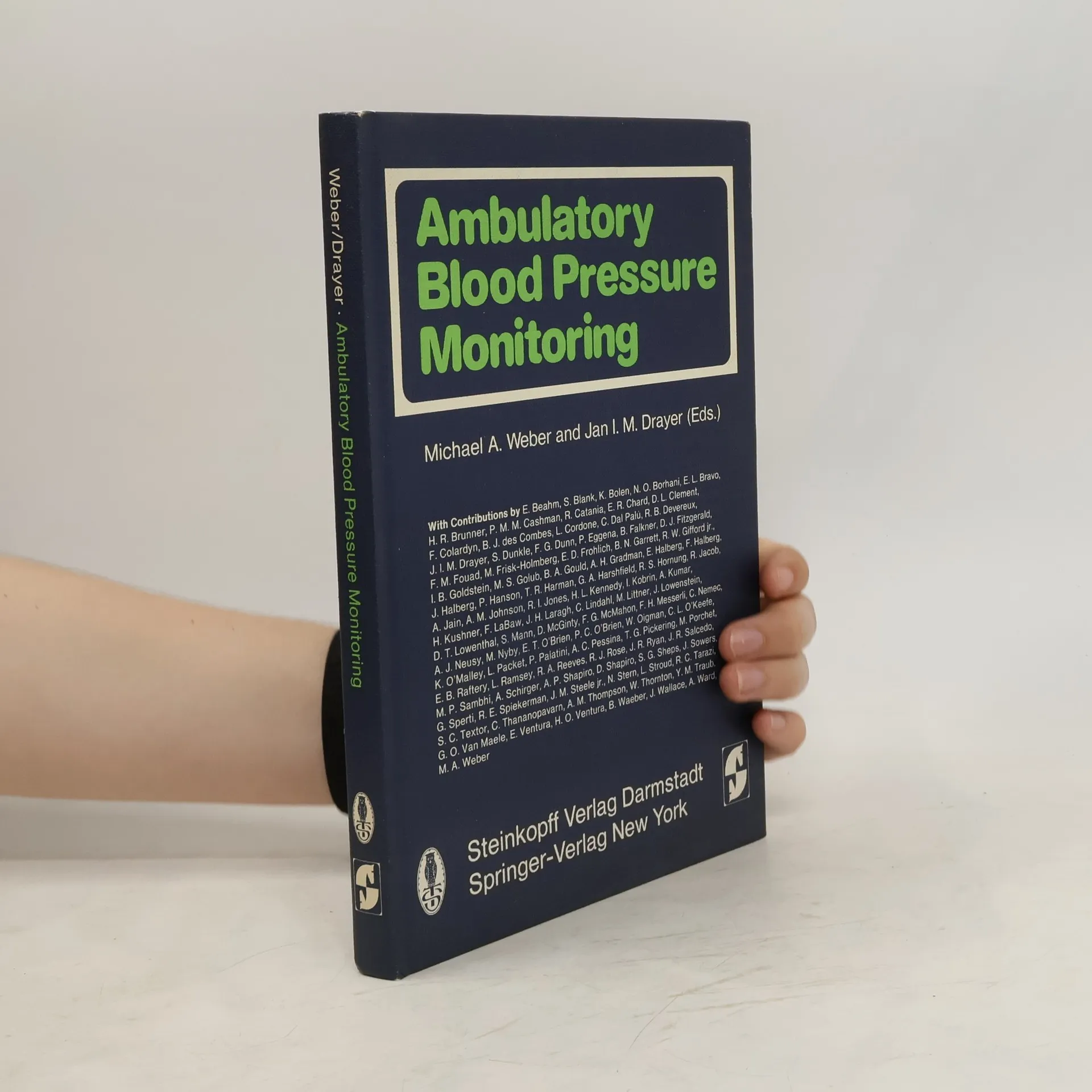
The availability of new technologies that enable blood pressure to be measured and re corded continuously or repetitively during prolonged observation periods has created ex citing opportunities for studying the physiology of blood pressure regulation and the characteristics of clinical hypertension. Ambulatory blood pressure monitoring has been based on three types of approach. The first of these has utilized an intra-arterial catheter that allows blood pressure to be meas ured directly and continuously during a full 24-hour period. The second approach is based on non-invasive techniques, and utilizes devices capable of automatically inflating conventional arm cuffs and recording blood pressures at pre-set intervals throughout the day. The third, and most simple method, has depended upon semiautomated techniques that require the subject to inflate a cuff at convenient intervals during the period of obser vation. During the last few years, concerted research into these differing techniques has exposed their strengths and shortcomings. Overall, however, there has been a growing perception that these approaches to the measurement of blood pressure might add con siderably to the information obtained in the doctor's office by the traditional single or casual reading. This book summarizes the state of the art in ambulatory blood pressure monitoring.
Buchkauf
Ambulatory Blood Pressure Monitoring, Michael A. Weber, Edward Beahm
- Sprache

- Erscheinungsdatum
- 1984
- Einband
- (Hardcover)
Keiner hat bisher bewertet.
- Titel
- Ambulatory Blood Pressure Monitoring
- Sprache
- Englisch
- Autor*innen
- Michael A. Weber, Edward Beahm
- Verlag
- Springer
- Erscheinungsdatum
- 1984
- Einband
- Hardcover
- Seitenzahl
- 259
- ISBN10
- 3798506388
- ISBN13
- 9783798506381
- Reihe
- Kategorien
- Schlagwörter
- Medizin & Gesundheit
- Beschreibung
- The availability of new technologies that enable blood pressure to be measured and re corded continuously or repetitively during prolonged observation periods has created ex citing opportunities for studying the physiology of blood pressure regulation and the characteristics of clinical hypertension. Ambulatory blood pressure monitoring has been based on three types of approach. The first of these has utilized an intra-arterial catheter that allows blood pressure to be meas ured directly and continuously during a full 24-hour period. The second approach is based on non-invasive techniques, and utilizes devices capable of automatically inflating conventional arm cuffs and recording blood pressures at pre-set intervals throughout the day. The third, and most simple method, has depended upon semiautomated techniques that require the subject to inflate a cuff at convenient intervals during the period of obser vation. During the last few years, concerted research into these differing techniques has exposed their strengths and shortcomings. Overall, however, there has been a growing perception that these approaches to the measurement of blood pressure might add con siderably to the information obtained in the doctor's office by the traditional single or casual reading. This book summarizes the state of the art in ambulatory blood pressure monitoring.