

Parameter
Mehr zum Buch
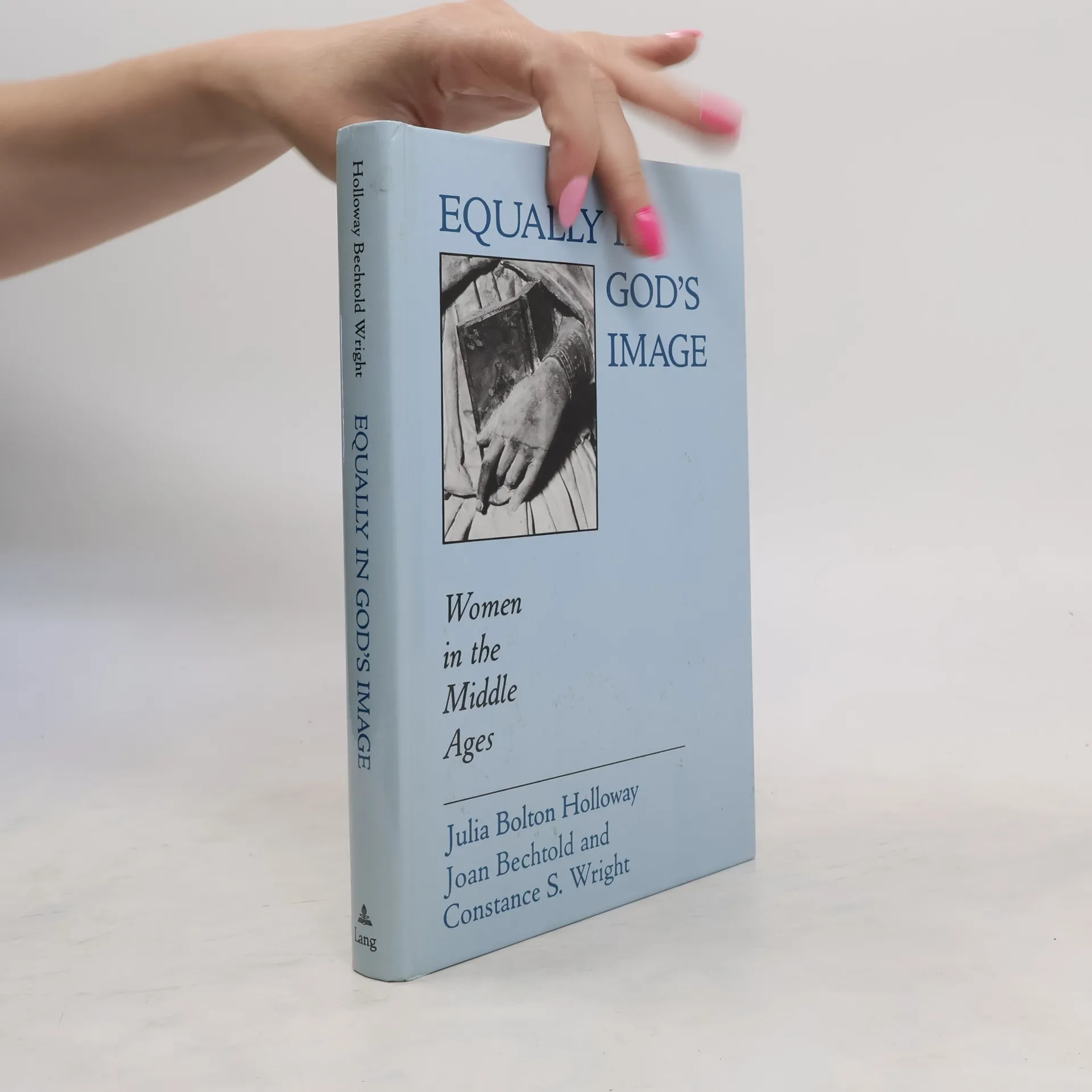
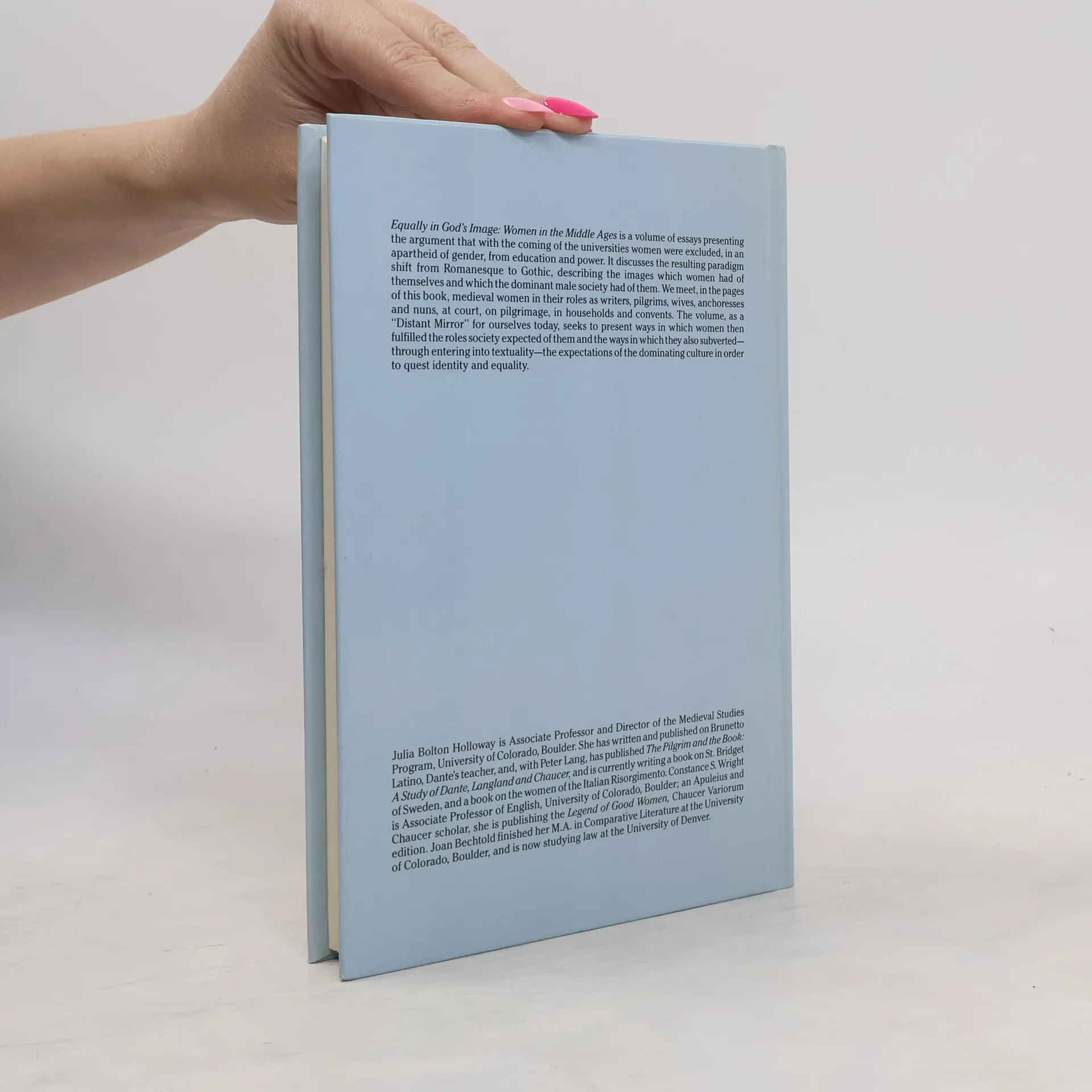
Equally in God's Women in the Middle Ages is a volume of essays presenting the argument that with the coming of the universities women were excluded, in an apartheid of gender, from education and power. It discusses the resulting paradigm shift from Romanesque to Gothic, describing the images which women had of themselves and which the dominant male society had of them. We meet, in the pages of this book, medieval women in their roles as writers, pilgrims, wives, anchoresses and nuns, at court, on pilgrimage, in households and convents. The volume, as a «Distant Mirror» for ourselves today, seeks to present ways in which women then fulfilled the roles society expected of them and the ways in which they also subverted - through entering into textuality - the expectations of the dominating culture in order to quest identity and equality.
Buchkauf
Equally in God's image, Julia Bolton Holloway
- Sprache

- Erscheinungsdatum
- 1990
- Einband
- (Hardcover)
Hier könnte deine Bewertung stehen.
- Titel
- Equally in God's image
- Sprache
- Englisch
- Autor*innen
- Julia Bolton Holloway
- Verlag
- Lang
- Erscheinungsdatum
- 1990
- Einband
- Hardcover
- ISBN10
- 0820415170
- ISBN13
- 9780820415178
- Reihe
- Kategorien
- Schlagwörter
- Bewertung
- 3,5 von 5 Sternen
- Beschreibung
- Equally in God's Women in the Middle Ages is a volume of essays presenting the argument that with the coming of the universities women were excluded, in an apartheid of gender, from education and power. It discusses the resulting paradigm shift from Romanesque to Gothic, describing the images which women had of themselves and which the dominant male society had of them. We meet, in the pages of this book, medieval women in their roles as writers, pilgrims, wives, anchoresses and nuns, at court, on pilgrimage, in households and convents. The volume, as a «Distant Mirror» for ourselves today, seeks to present ways in which women then fulfilled the roles society expected of them and the ways in which they also subverted - through entering into textuality - the expectations of the dominating culture in order to quest identity and equality.