

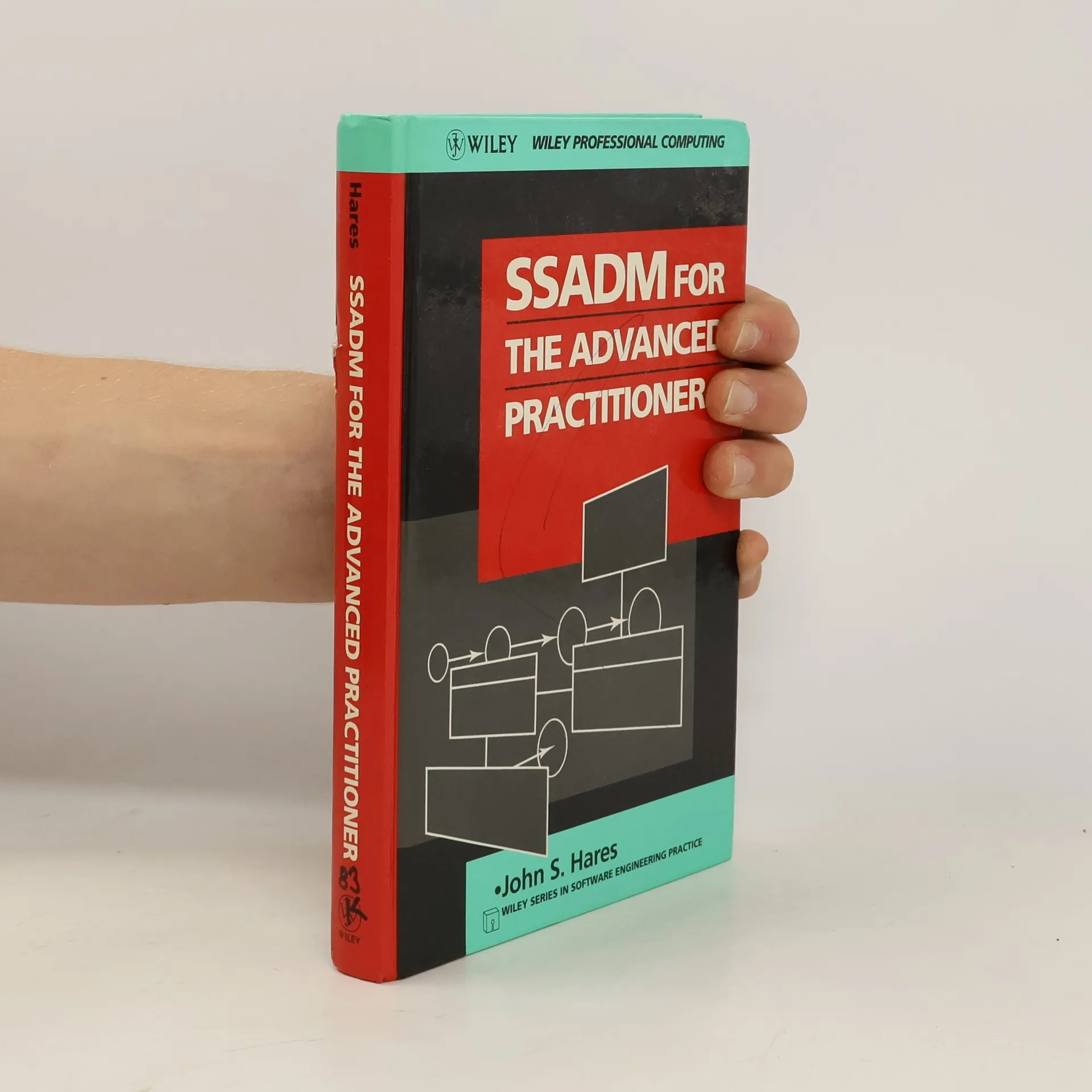
SSADM for the Advanced Practitioner
Autor*innen
Parameter
Mehr zum Buch
SSADM is a structured design method with a seemingly Midas touch; it is proving to be successful in a variety of applications. Originally developed as the standard design method for UK government projects involving batch and online applications in centralized environments, it has since been adopted by Portugal, Singapore, Australia and other governments, and has moved into the private sector as well. This book is intended for experienced practitioners of structured design methods, providing information and guidance--even ``tricks of the trade''--that will enable users to maximize the potential of SSADM. The book also shows how SSADM can be used, without significant change, for data processing environments other than those for which it was originally designed, including distributed, realtime and conversational environments, as well as expert system and object-oriented processing.
Buchkauf
SSADM for the Advanced Practitioner, John S. Hares
- Sprache

- Erscheinungsdatum
- 1990
- Einband
- (Hardcover)
Keiner hat bisher bewertet.
- Titel
- SSADM for the Advanced Practitioner
- Sprache
- Englisch
- Autor*innen
- John S. Hares
- Verlag
- WILEY
- Erscheinungsdatum
- 1990
- Einband
- Hardcover
- ISBN10
- 0471927392
- ISBN13
- 9780471927396
- Reihe
- Schlagwörter
- Beschreibung
- SSADM is a structured design method with a seemingly Midas touch; it is proving to be successful in a variety of applications. Originally developed as the standard design method for UK government projects involving batch and online applications in centralized environments, it has since been adopted by Portugal, Singapore, Australia and other governments, and has moved into the private sector as well. This book is intended for experienced practitioners of structured design methods, providing information and guidance--even ``tricks of the trade''--that will enable users to maximize the potential of SSADM. The book also shows how SSADM can be used, without significant change, for data processing environments other than those for which it was originally designed, including distributed, realtime and conversational environments, as well as expert system and object-oriented processing.