

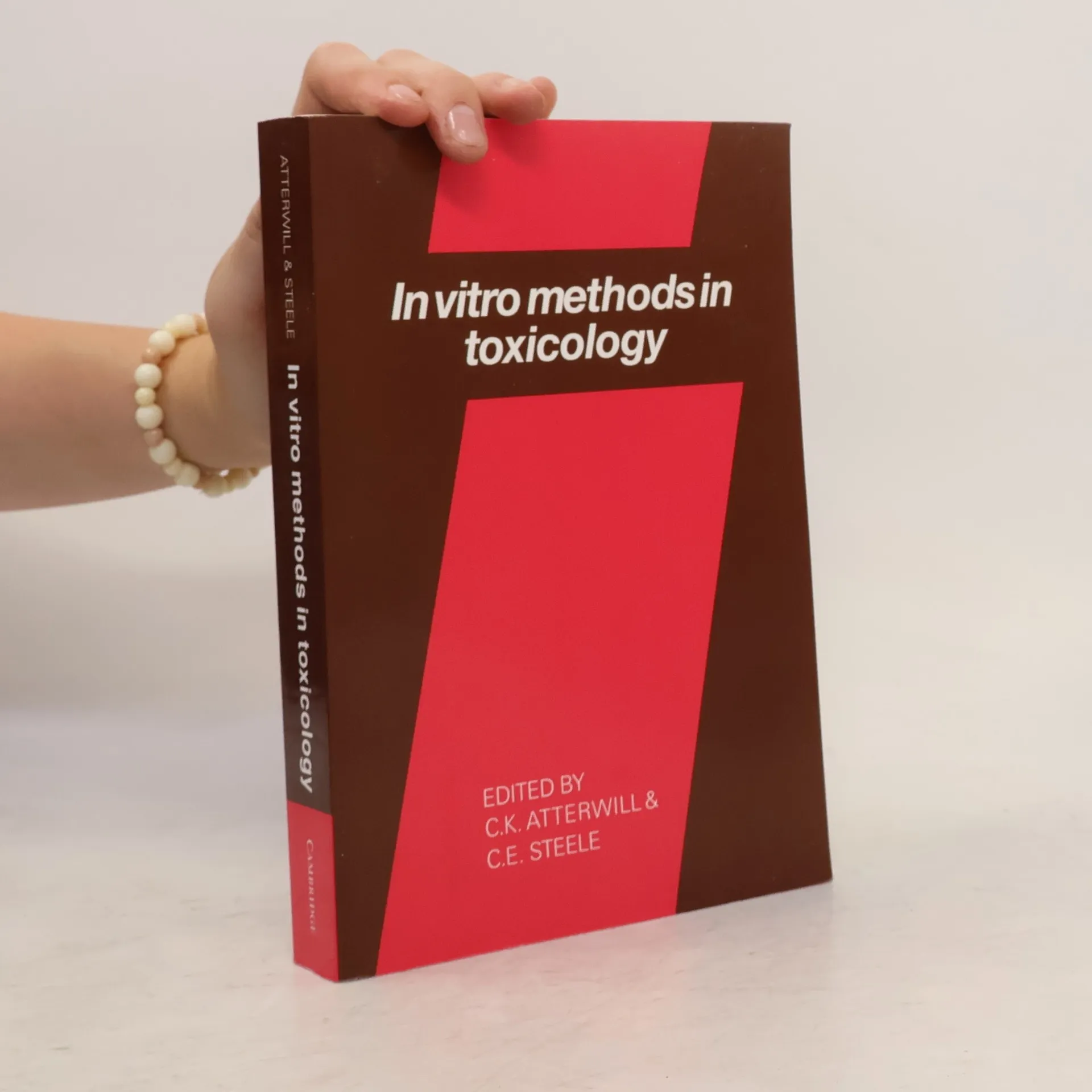
In Vitro Methods in Toxicology
Autor*innen
Mehr zum Buch
First published in 1987, this book describes tissue (cell and organ) culture techniques which could be used at a critical predevelopment stage to screen for drug-inducing toxicity or to analyse the molecular mechanisms of toxicity at a later stage in parallel with investigative studies. This type of research has important ethical, financial and scientific implications. In particular, less animals and compound are required in in vitro research and more detailed information at the cellular and subcellular levels can be obtained. The volume brings together the once disparate knowledge of cultural techniques and thus provides an important reference work for industrial and academic toxicologists. It could also form a framework for discussion of potential improvements and modification of toxicity testing.
Buchkauf
In Vitro Methods in Toxicology, C.K. Atterwill, C.E. Steele
- Sprache

- Erscheinungsdatum
- 2009
- Einband
- (Paperback)
Keiner hat bisher bewertet.
- Titel
- In Vitro Methods in Toxicology
- Sprache
- Englisch
- Autor*innen
- C.K. Atterwill, C.E. Steele
- Erscheinungsdatum
- 2009
- Einband
- Paperback
- Seitenzahl
- 472
- ISBN10
- 0521104750
- ISBN13
- 9780521104753
- Reihe
- Kategorien
- Schlagwörter
- Medizin & Gesundheit, Natur, Naturwissenschaften, Wissenschaft, Umweltwissenschaften
- Beschreibung
- First published in 1987, this book describes tissue (cell and organ) culture techniques which could be used at a critical predevelopment stage to screen for drug-inducing toxicity or to analyse the molecular mechanisms of toxicity at a later stage in parallel with investigative studies. This type of research has important ethical, financial and scientific implications. In particular, less animals and compound are required in in vitro research and more detailed information at the cellular and subcellular levels can be obtained. The volume brings together the once disparate knowledge of cultural techniques and thus provides an important reference work for industrial and academic toxicologists. It could also form a framework for discussion of potential improvements and modification of toxicity testing.