

Mehr zum Buch
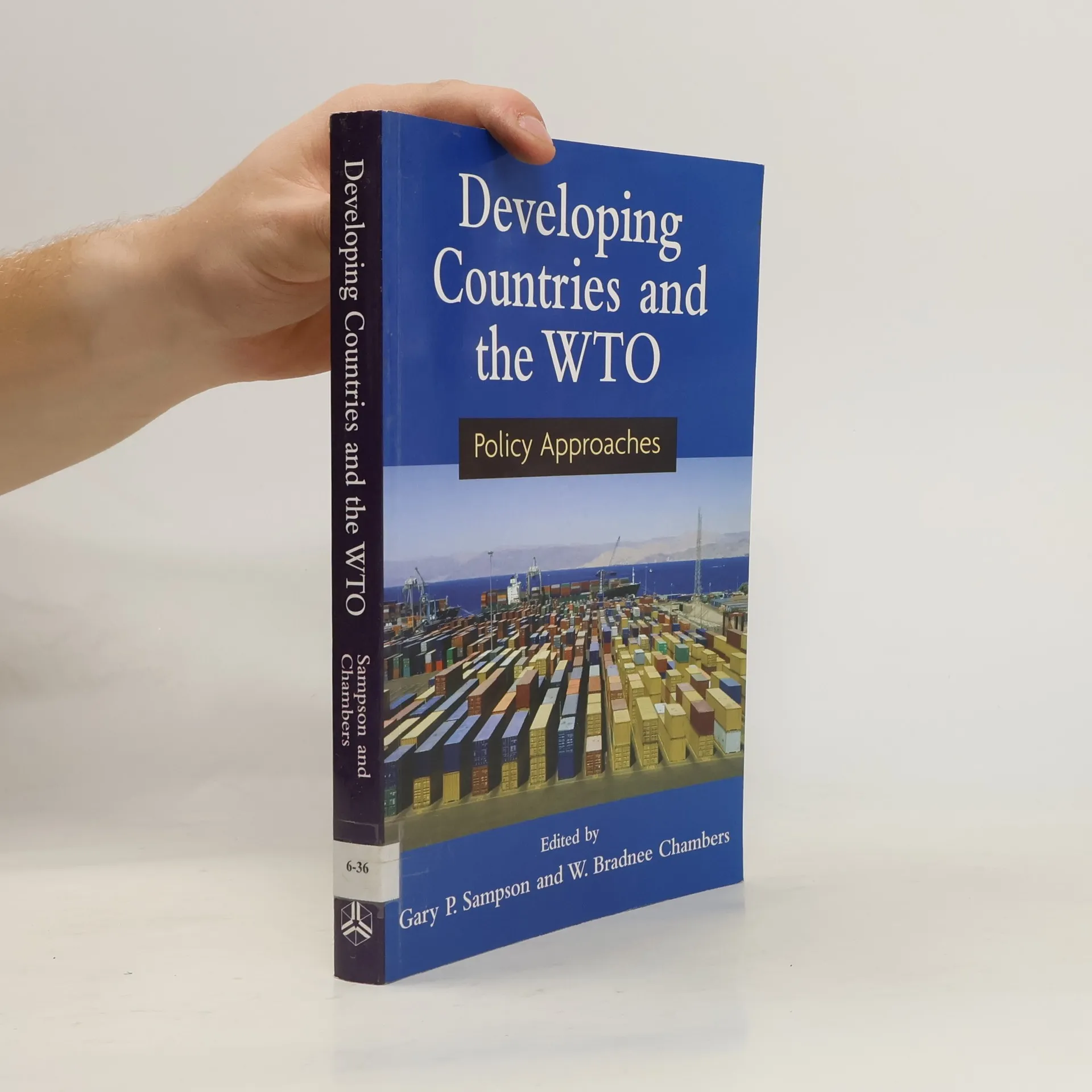
It is widely accepted that a wellfunctioning global trading system is a prerequisite for trade promotion and the economic growth of developing countries. It is equally recognized that the current trading system has not worked to the advantage of many Third World nations. Negotiations launched at the World Trade Organization to rectify the situation—the Doha Development Agenda—have failed to resolve the system's inherent problems. Compared to just ten years ago, developing countries are much better informed with respect to trade negotiations. Also, they now comprise two-thirds of the membership of the WTO. Because the organization is based on consensus, this majority gives them a new power and authority in future negotiations. For this reason, it is critical that these nations have clear proposals for reform that are both ambitious and realistic. Only then can they constructively promote their interests in the coming years. This book addresses the critical trade policychoices now facing developing countries. Experienced negotiators, scholars, and trade officials from different backgrounds offer policy prescriptions to secure a world trading system that will meet these nations' needs.
Buchkauf
Developing Countries and the WTO, Gary P. Sampson, W. Bradnee Chambers
- Sprache

- Erscheinungsdatum
- 2008
- Einband
- (Paperback)
Keiner hat bisher bewertet.
- Titel
- Developing Countries and the WTO
- Untertitel
- Policy Approaches
- Sprache
- Englisch
- Autor*innen
- Gary P. Sampson, W. Bradnee Chambers
- Erscheinungsdatum
- 2008
- Einband
- Paperback
- Seitenzahl
- 300
- ISBN10
- 9280811533
- ISBN13
- 9789280811537
- Reihe
- Kategorien
- Schlagwörter
- Handel, Internationale Beziehungen, Entwicklung
- Beschreibung
- It is widely accepted that a wellfunctioning global trading system is a prerequisite for trade promotion and the economic growth of developing countries. It is equally recognized that the current trading system has not worked to the advantage of many Third World nations. Negotiations launched at the World Trade Organization to rectify the situation—the Doha Development Agenda—have failed to resolve the system's inherent problems. Compared to just ten years ago, developing countries are much better informed with respect to trade negotiations. Also, they now comprise two-thirds of the membership of the WTO. Because the organization is based on consensus, this majority gives them a new power and authority in future negotiations. For this reason, it is critical that these nations have clear proposals for reform that are both ambitious and realistic. Only then can they constructively promote their interests in the coming years. This book addresses the critical trade policychoices now facing developing countries. Experienced negotiators, scholars, and trade officials from different backgrounds offer policy prescriptions to secure a world trading system that will meet these nations' needs.