

Mehr zum Buch
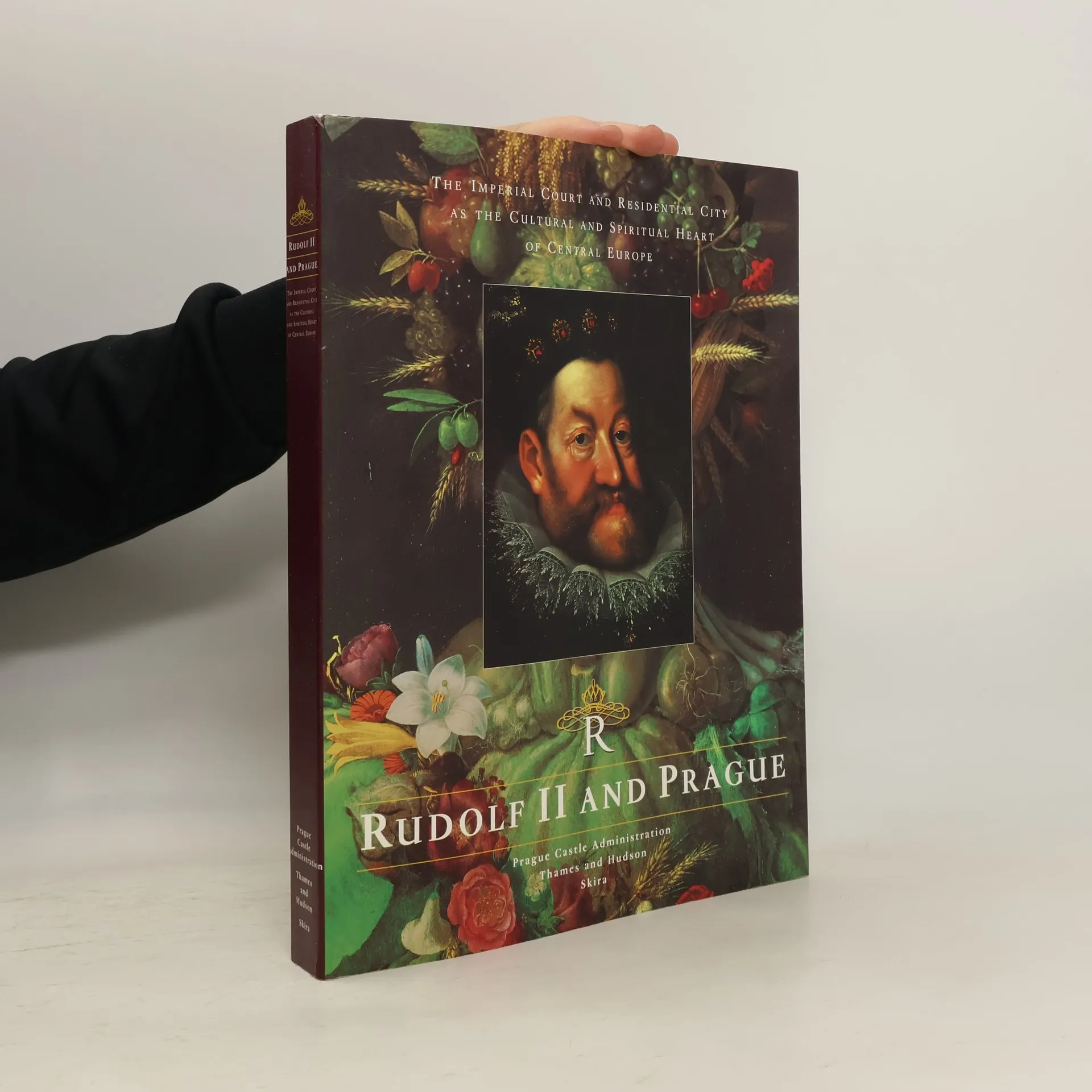
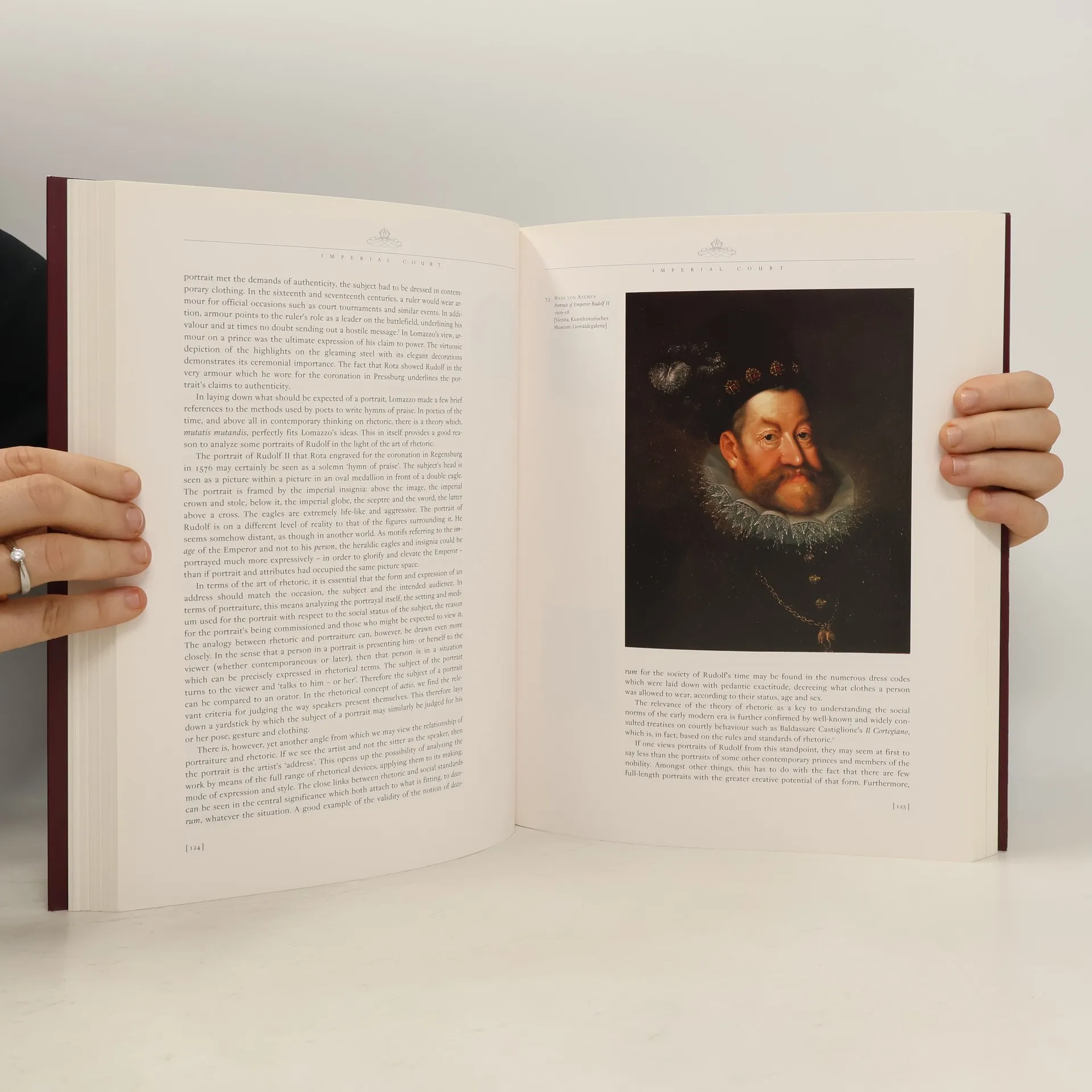
Rudolf II of Hapsburg, Holy Roman Emperor, King of Bohemia and Hungary, was an extraordinary ruler, a monarch whose court occupied a central position in 16th-century Europe - yet he remained a shadowy and fugitive figure. The decades around 1600 saw sweeping cultural changes in Europe, with the waning of an old-world view and the beginnings of the 17th-century intellectual revolution. The author argues that the conflict which played itself out in the Hapsburg lands during these years was a political manifestation of the intellectual confrontation between the old guard and their preoccupation with the mystical, spiritual and hermetic sciences, and the rise of a more rational and empirical view of the world. Rudolf, as the embodiment of the old philosophy, failed to grasp this profound shift in the prevailing climate, and this failure ultimately led to his tragic downfall.
Buchkauf
Rudolf II and Prague, Eliška Fučíková
- Sprache

- Erscheinungsdatum
- 1997
- Einband
- (Paperback)
Keiner hat bisher bewertet.
- Titel
- Rudolf II and Prague
- Untertitel
- The Imperial Court and Residential City as the Cultural and Spiritual Heart Od Central Europe
- Sprache
- Englisch
- Autor*innen
- Eliška Fučíková
- Erscheinungsdatum
- 1997
- Einband
- Paperback
- Seitenzahl
- 392
- ISBN10
- 0500279861
- ISBN13
- 9780500279861
- Reihe
- Kategorien
- Schlagwörter
- Kunst
- Beschreibung
- Rudolf II of Hapsburg, Holy Roman Emperor, King of Bohemia and Hungary, was an extraordinary ruler, a monarch whose court occupied a central position in 16th-century Europe - yet he remained a shadowy and fugitive figure. The decades around 1600 saw sweeping cultural changes in Europe, with the waning of an old-world view and the beginnings of the 17th-century intellectual revolution. The author argues that the conflict which played itself out in the Hapsburg lands during these years was a political manifestation of the intellectual confrontation between the old guard and their preoccupation with the mystical, spiritual and hermetic sciences, and the rise of a more rational and empirical view of the world. Rudolf, as the embodiment of the old philosophy, failed to grasp this profound shift in the prevailing climate, and this failure ultimately led to his tragic downfall.