

Mehr zum Buch
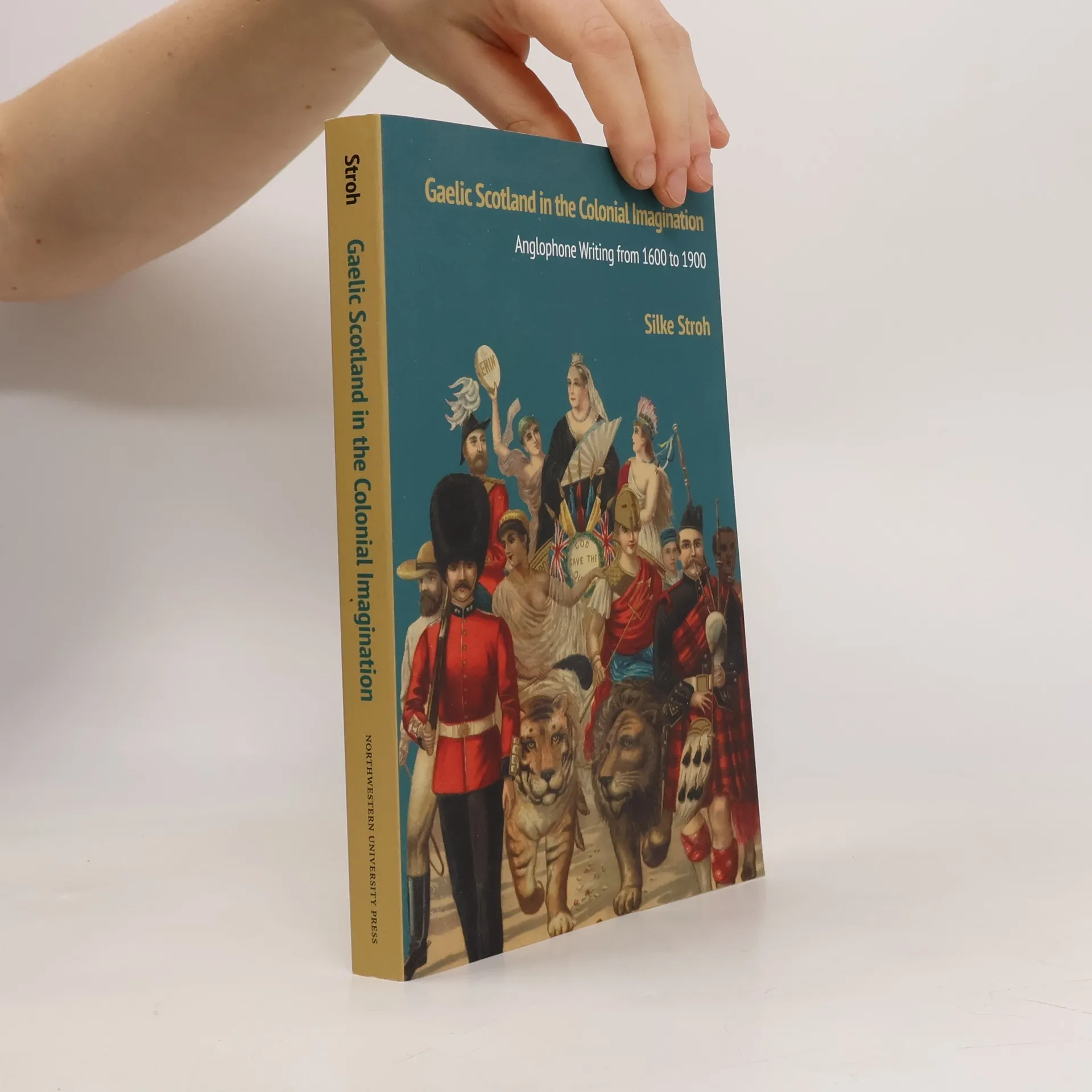
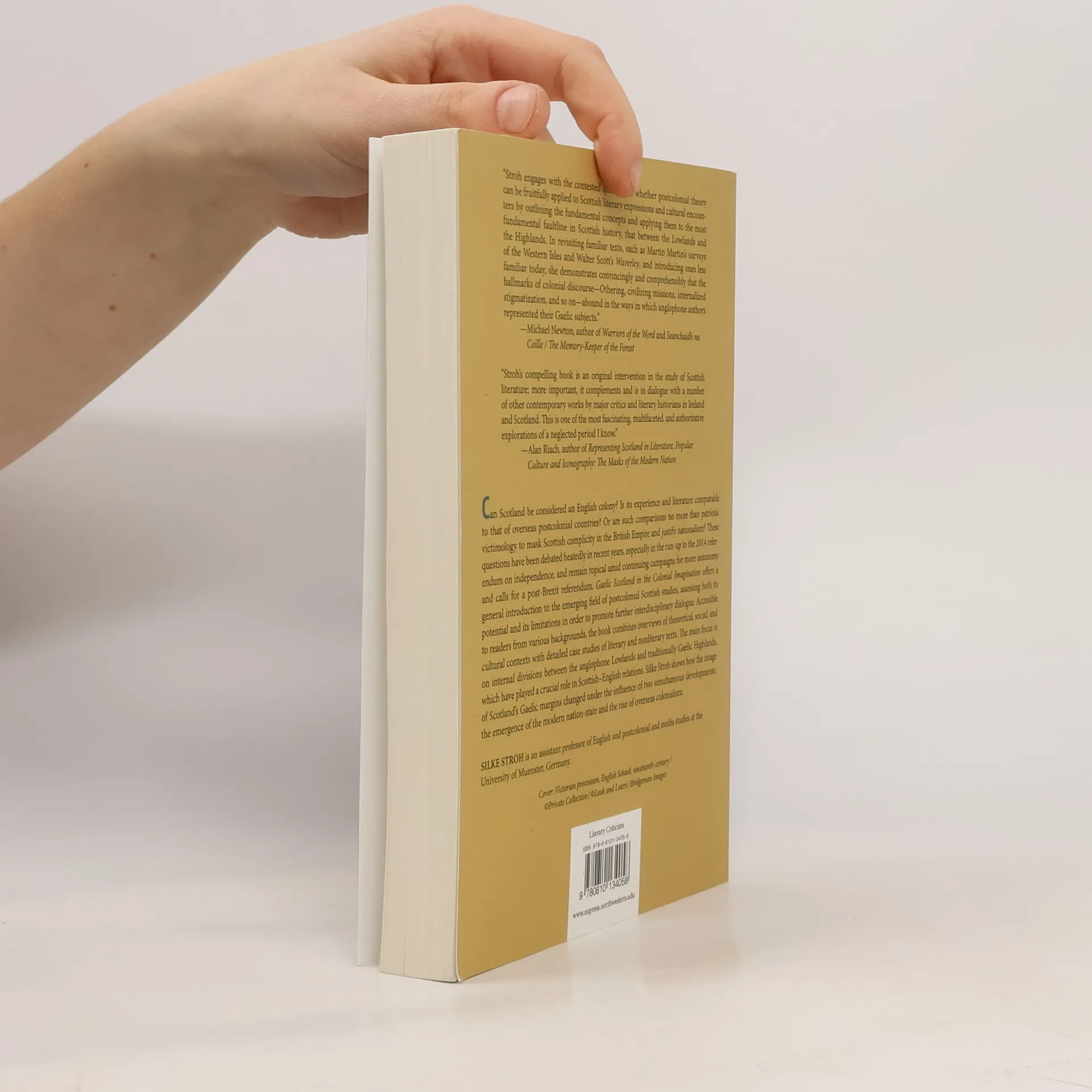
Can Scotland be considered an English colony? Is its experience and literature comparable to that of overseas postcolonial countries? Or are such comparisons no more than patriotic victimology to mask Scottish complicity in the British Empire and justify nationalism? These questions have been heatedly debated in recent years, especially in the run-up to the 2014 referendum on independence, and remain topical amid continuing campaigns for more autonomy and calls for a post-Brexit “indyref2.” Gaelic Scotland in the Colonial Imagination offers a general introduction to the emerging field of postcolonial Scottish studies, assessing both its potential and limitations in order to promote further interdisciplinary dialogue. Accessible to readers from various backgrounds, the book combines overviews of theoretical, social, and cultural contexts with detailed case studies of literary and nonliterary texts. The main focus is on internal divisions between the anglophone Lowlands and traditionally Gaelic Highlands, which also play a crucial role in Scottish–English relations. Silke Stroh shows how the image of Scotland’s Gaelic margins changed under the influence of two simultaneous developments: the emergence of the modern nation-state and the rise of overseas colonialism.
Buchkauf
Gaelic Scotland in the Colonial Imagination, Silke Stroh
- Sprache

- Erscheinungsdatum
- 2016
- Einband
- (Paperback)
Keiner hat bisher bewertet.
- Titel
- Gaelic Scotland in the Colonial Imagination
- Untertitel
- Anglophone Writing from 1600 to 1900
- Sprache
- Englisch
- Autor*innen
- Silke Stroh
- Erscheinungsdatum
- 2016
- Einband
- Paperback
- Seitenzahl
- 344
- ISBN10
- 0810134055
- ISBN13
- 9780810134058
- Reihe
- Schlagwörter
- Literarische Kritik
- Beschreibung
- Can Scotland be considered an English colony? Is its experience and literature comparable to that of overseas postcolonial countries? Or are such comparisons no more than patriotic victimology to mask Scottish complicity in the British Empire and justify nationalism? These questions have been heatedly debated in recent years, especially in the run-up to the 2014 referendum on independence, and remain topical amid continuing campaigns for more autonomy and calls for a post-Brexit “indyref2.” Gaelic Scotland in the Colonial Imagination offers a general introduction to the emerging field of postcolonial Scottish studies, assessing both its potential and limitations in order to promote further interdisciplinary dialogue. Accessible to readers from various backgrounds, the book combines overviews of theoretical, social, and cultural contexts with detailed case studies of literary and nonliterary texts. The main focus is on internal divisions between the anglophone Lowlands and traditionally Gaelic Highlands, which also play a crucial role in Scottish–English relations. Silke Stroh shows how the image of Scotland’s Gaelic margins changed under the influence of two simultaneous developments: the emergence of the modern nation-state and the rise of overseas colonialism.