


Mehr zum Buch
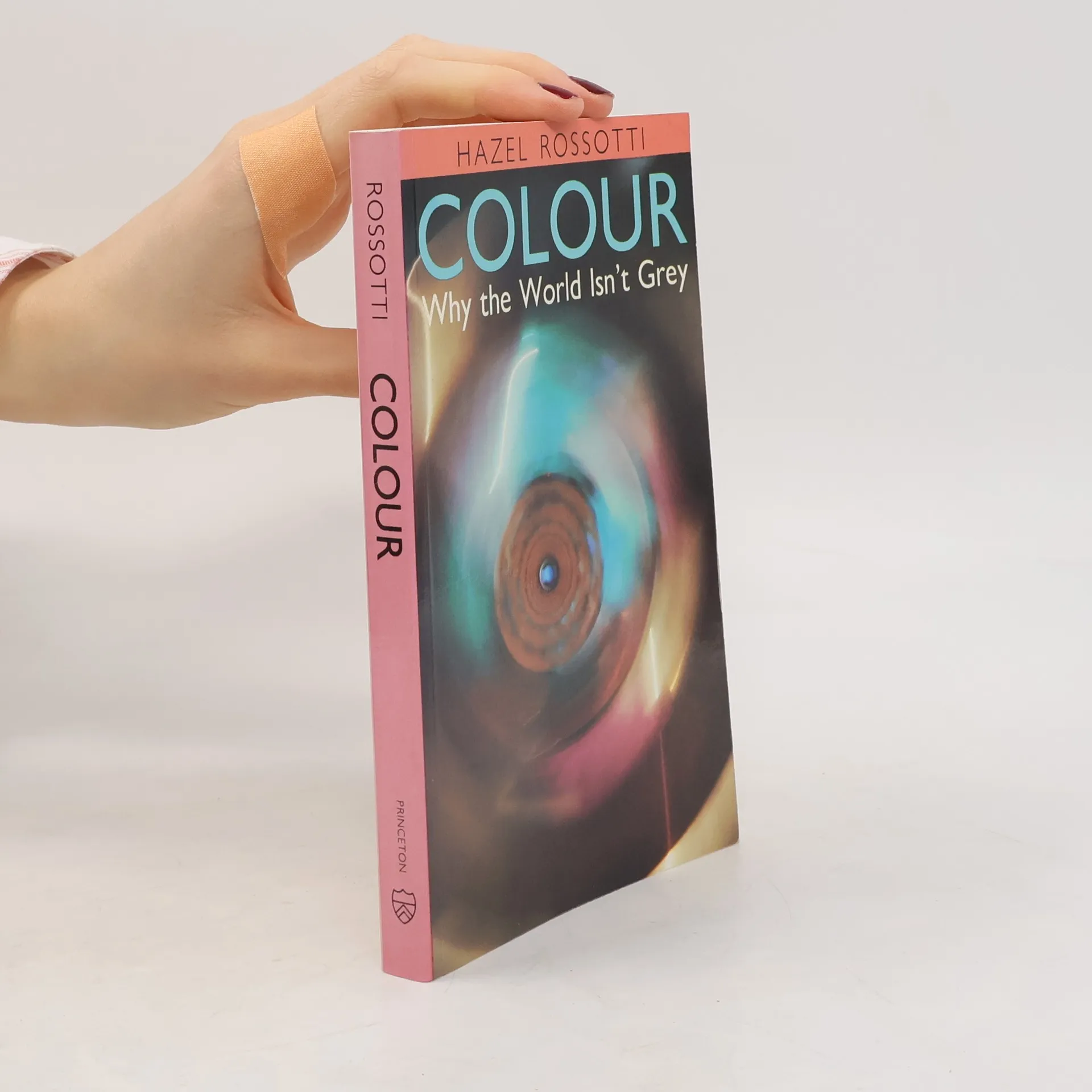
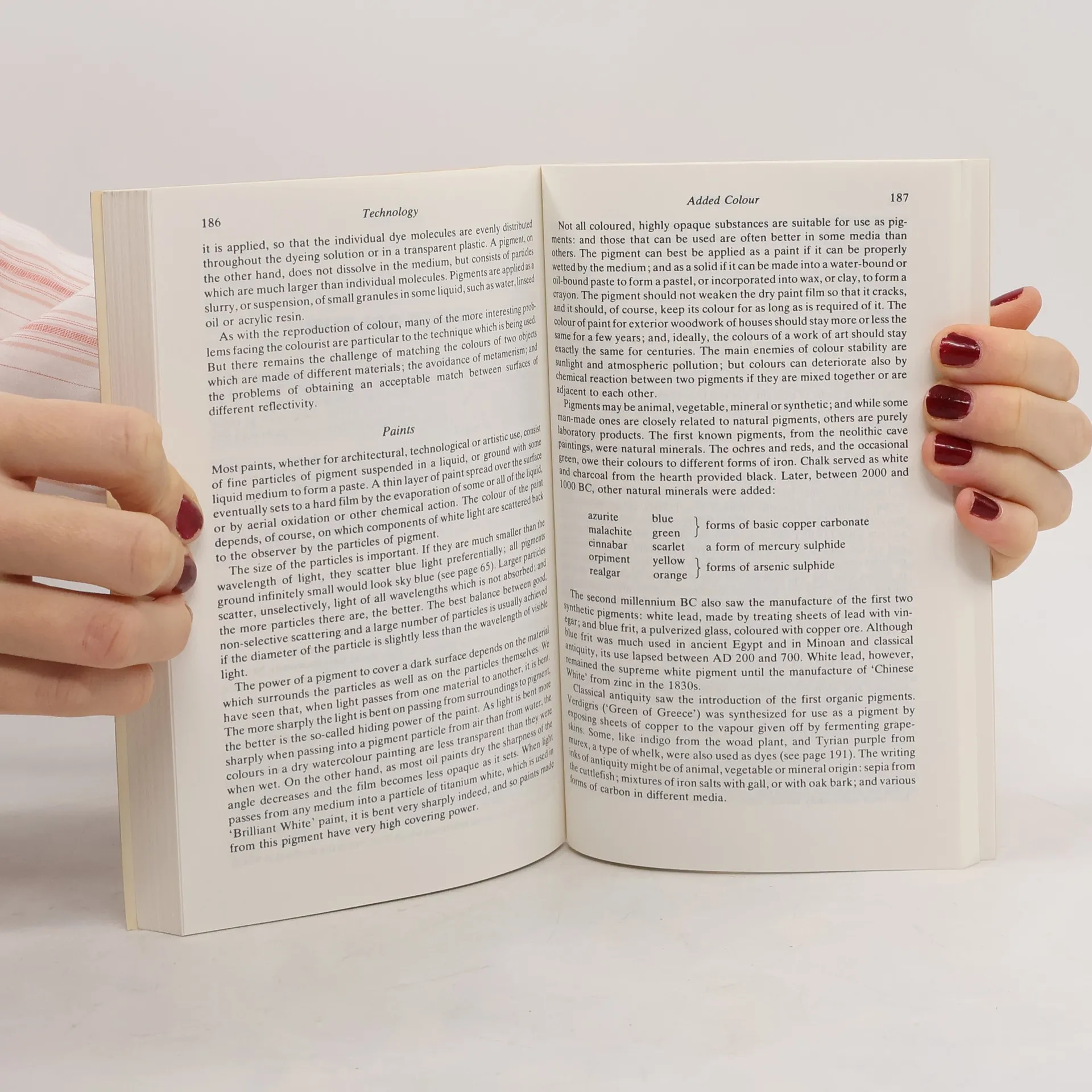
Why do pebbles look brighter when wet? Is there a "right" order in which to arrange a set of colored crayons? Are blue rooms really "cold"? Why do some clothes change color when ironed? What are the colors you see when you press your eyes? To answer these and other questions, Hazel Rossotti uses scientific basics--matter, energy, and eye structure--to discuss the colors of the natural world, the mechanism of color vision, and a range of color technology from ceramics to television. She includes a fascinating discussion of the uses of color, both "prosaic" (as for camouflage, signaling, and symbolism) and "poetic" (for conveying mood in art and language). Dealing with subjects from refraction to rainbows, chlorophyll to color blindness, this book will appeal both to the general reader and to the scientist.
Buchkauf
Colour, Hazel Rossotti
- Sprache

- Erscheinungsdatum
- 1985
- Einband
- (Paperback)
Hier könnte deine Bewertung stehen.
- Titel
- Colour
- Untertitel
- Why the World Isn't Grey
- Sprache
- Englisch
- Autor*innen
- Hazel Rossotti
- Erscheinungsdatum
- 1985
- Einband
- Paperback
- Seitenzahl
- 239
- ISBN10
- 0691023867
- ISBN13
- 9780691023861
- Reihe
- Kategorien
- Schlagwörter
- Kunst, Wissenschaft
- Bewertung
- 3,9 von 5 Sternen
- Beschreibung
- Why do pebbles look brighter when wet? Is there a "right" order in which to arrange a set of colored crayons? Are blue rooms really "cold"? Why do some clothes change color when ironed? What are the colors you see when you press your eyes? To answer these and other questions, Hazel Rossotti uses scientific basics--matter, energy, and eye structure--to discuss the colors of the natural world, the mechanism of color vision, and a range of color technology from ceramics to television. She includes a fascinating discussion of the uses of color, both "prosaic" (as for camouflage, signaling, and symbolism) and "poetic" (for conveying mood in art and language). Dealing with subjects from refraction to rainbows, chlorophyll to color blindness, this book will appeal both to the general reader and to the scientist.