

Parameter
- 230 Seiten
- 9 Lesestunden
Mehr zum Buch
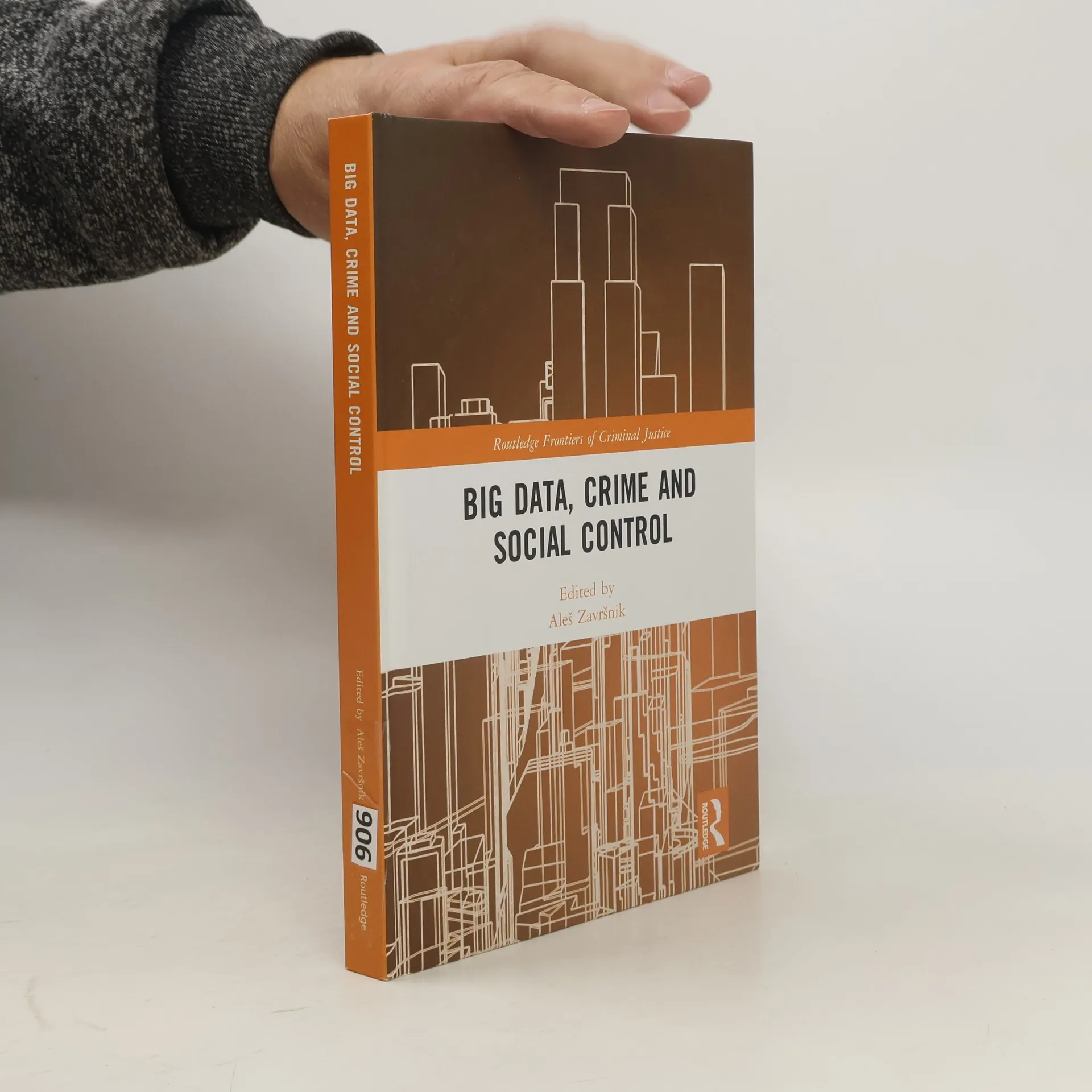
From predictive policing to self-surveillance to private security, the potential uses to of big data in crime control pose serious legal and ethical challenges relating to privacy, discrimination, and the presumption of innocence. The book is about the impacts of the use of big data analytics on social and crime control and on fundamental liberties. Drawing on research from Europe and the US, this book identifies the various ways in which law and ethics intersect with the application of big data in social and crime control, considers potential challenges to human rights and democracy and recommends regulatory solutions and best practice. This book focuses on changes in knowledge production and the manifold sites of contemporary surveillance, ranging from self-surveillance to corporate and state surveillance. It tackles the implications of big data and predictive algorithmic analytics for social justice, social equality, and social power: concepts at the very core of crime and social control. This book will be of interest to scholars and students of criminology, sociology, politics and socio-legal studies.
Buchkauf
Routledge Frontiers of Criminal Justice - 50: Big Data, Crime and Social Control, Aleš Završnik
- Sprache

- Erscheinungsdatum
- 2017
- Einband
- (Hardcover)
Keiner hat bisher bewertet.
- Titel
- Routledge Frontiers of Criminal Justice - 50: Big Data, Crime and Social Control
- Sprache
- Englisch
- Autor*innen
- Aleš Završnik
- Verlag
- Routledge
- Erscheinungsdatum
- 2017
- Einband
- Hardcover
- Seitenzahl
- 230
- ISBN10
- 1138227455
- ISBN13
- 9781138227453
- Reihe
- Kategorien
- Schlagwörter
- Rechtsthematik, Gesammelte Werke, Menschenrechte, Soziale Aspekte, Datenbanken, Kriminologie, Big Data, Kriminalitätsprävention
- Beschreibung
- From predictive policing to self-surveillance to private security, the potential uses to of big data in crime control pose serious legal and ethical challenges relating to privacy, discrimination, and the presumption of innocence. The book is about the impacts of the use of big data analytics on social and crime control and on fundamental liberties. Drawing on research from Europe and the US, this book identifies the various ways in which law and ethics intersect with the application of big data in social and crime control, considers potential challenges to human rights and democracy and recommends regulatory solutions and best practice. This book focuses on changes in knowledge production and the manifold sites of contemporary surveillance, ranging from self-surveillance to corporate and state surveillance. It tackles the implications of big data and predictive algorithmic analytics for social justice, social equality, and social power: concepts at the very core of crime and social control. This book will be of interest to scholars and students of criminology, sociology, politics and socio-legal studies.