

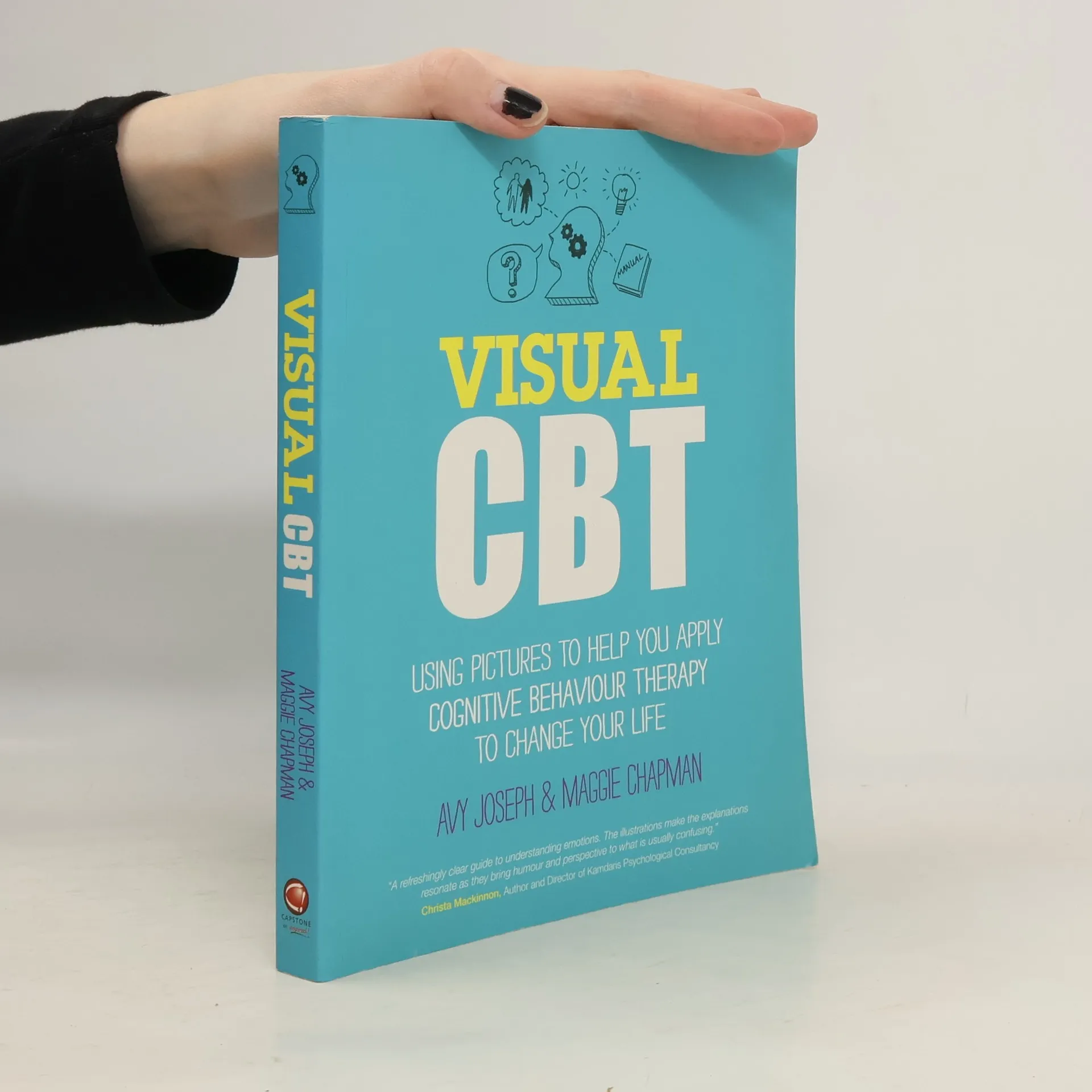

Visual CBT
Using Pictures to Help You Apply Cognitive Behaviour Therapy to Change Your Life
Autor*innen
Buchbewertung
Mehr zum Buch
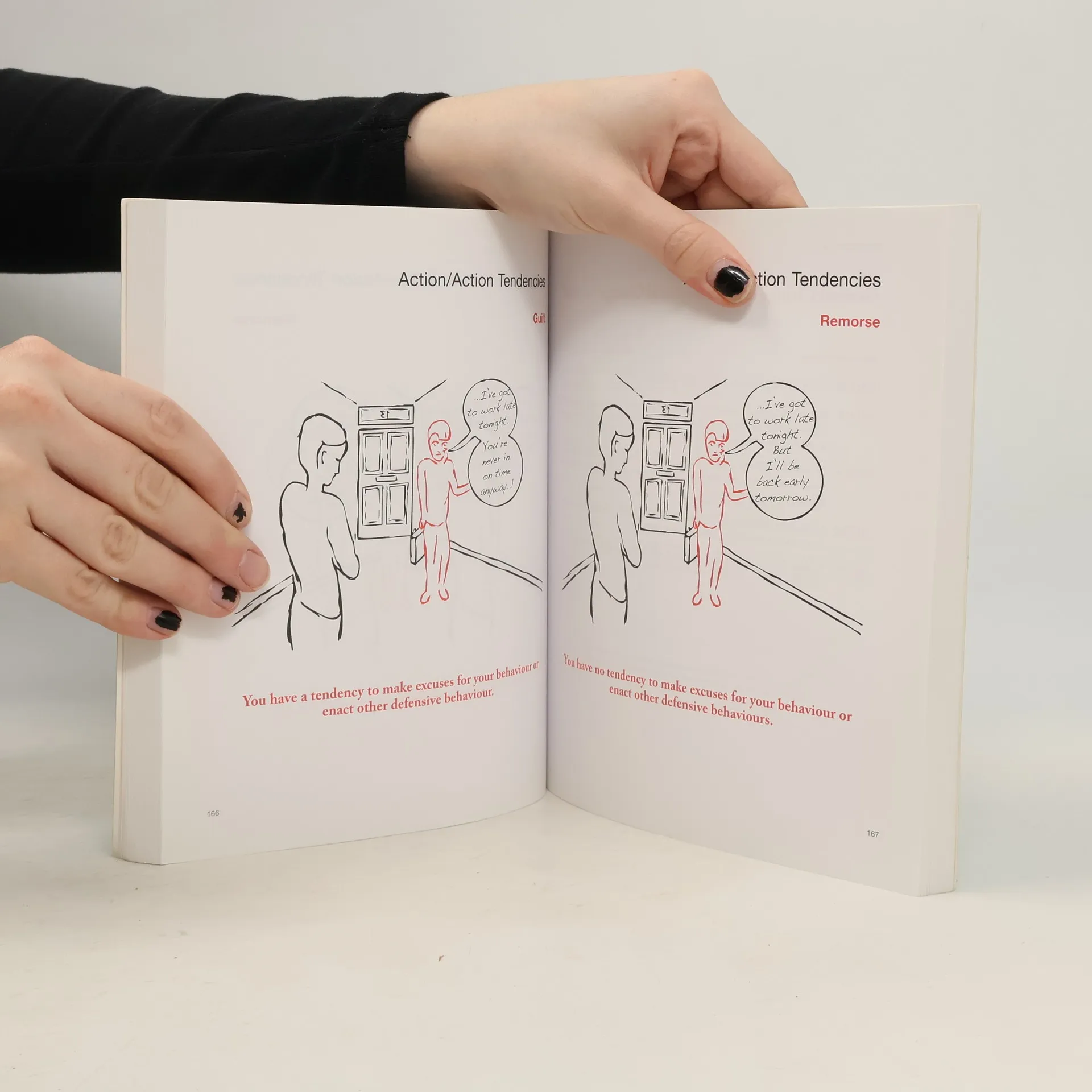
Many people learn best by following a visual approach – retaining information far more successfully if that information is given to them in a visual manner. Visual CBT uses illustrations, graphics and images to help the reader to alter their thought patterns and change behaviours through CBT to become a happier, healthier individual. Uniquely, it highlights the differences between healthy and unhealthy emotional responses – for example Anxiety instead of Concern – to enable the reader to quickly "picture" how they are reacting, and bring it into line with the healthy type of response.
Buchkauf
Visual CBT, Avy Joseph, Maggie Chapman, Patrick Watkinson
- Sprache

- Erscheinungsdatum
- 2013
- Einband
- (Paperback)
Hier könnte deine Bewertung stehen.
- Titel
- Visual CBT
- Untertitel
- Using Pictures to Help You Apply Cognitive Behaviour Therapy to Change Your Life
- Sprache
- Englisch
- Autor*innen
- Avy Joseph, Maggie Chapman, Patrick Watkinson
- Verlag
- Capstone
- Erscheinungsdatum
- 2013
- Einband
- Paperback
- Seitenzahl
- 352
- ISBN10
- 0857083546
- ISBN13
- 9780857083548
- Reihe
- Kategorien
- Schlagwörter
- Handel, Psychologische Thematik, Handbücher und Anleitungen, Rechtsthematik, Führer, Leben, Psychotherapie, Verhaltung, Ethologie
- Bewertung
- 3,6 von 5 Sternen
- Beschreibung
- Many people learn best by following a visual approach – retaining information far more successfully if that information is given to them in a visual manner. Visual CBT uses illustrations, graphics and images to help the reader to alter their thought patterns and change behaviours through CBT to become a happier, healthier individual. Uniquely, it highlights the differences between healthy and unhealthy emotional responses – for example Anxiety instead of Concern – to enable the reader to quickly "picture" how they are reacting, and bring it into line with the healthy type of response.