



Parameter
- 272 Seiten
- 10 Lesestunden
Mehr zum Buch
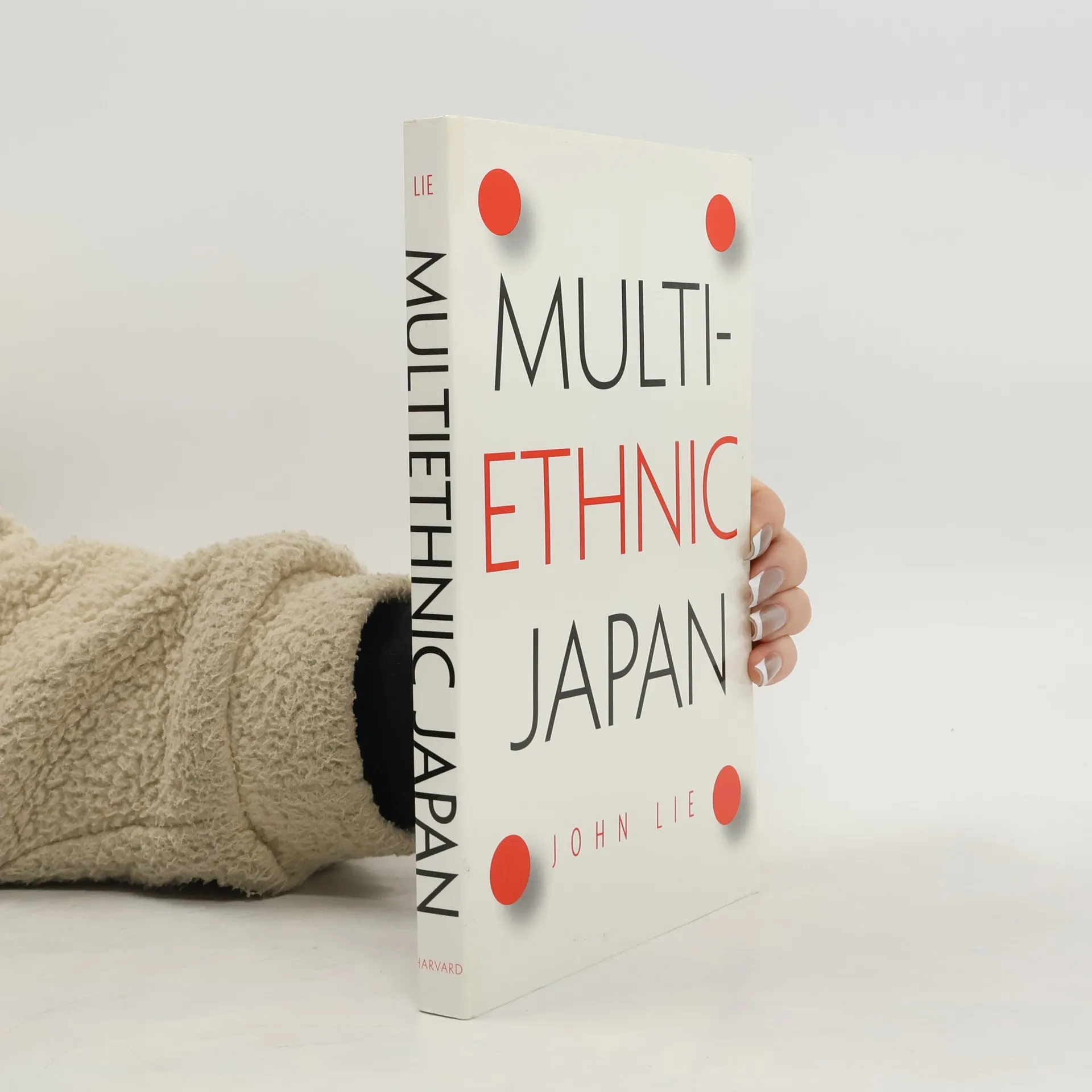
Multiethnic Japan challenges the received view of Japanese society as ethnically homogeneous. Employing a wide array of arguments and evidence--historical and comparative, interviews and observations, high literature and popular culture--John Lie recasts modern Japan as a thoroughly multiethnic society.Lie casts light on a wide range of minority groups in modern Japanese society, including the Ainu, Burakumin (descendants of premodern outcasts), Chinese, Koreans, and Okinawans. In so doing, he depicts the trajectory of modern Japanese identity.Surprisingly, Lie argues that the belief in a monoethnic Japan is a post–World War II phenomenon, and he explores the formation of the monoethnic ideology. He also makes a general argument about the nature of national identity, delving into the mechanisms of social classification, signification, and identification.
Buchkauf
Multiethnic Japan, John W. Wylie
- Sprache

- Erscheinungsdatum
- 2004
- Einband
- (Paperback)
Hier könnte deine Bewertung stehen.
- Titel
- Multiethnic Japan
- Sprache
- Englisch
- Autor*innen
- John W. Wylie
- Verlag
- Harvard University Press
- Erscheinungsdatum
- 2004
- Einband
- Paperback
- Seitenzahl
- 272
- ISBN10
- 0674013581
- ISBN13
- 9780674013582
- Reihe
- Kategorien
- Schlagwörter
- USA, Japan, Soziale Geschichte, Ethnie
- Bewertung
- 3,65 von 5 Sternen
- Beschreibung
- Multiethnic Japan challenges the received view of Japanese society as ethnically homogeneous. Employing a wide array of arguments and evidence--historical and comparative, interviews and observations, high literature and popular culture--John Lie recasts modern Japan as a thoroughly multiethnic society.Lie casts light on a wide range of minority groups in modern Japanese society, including the Ainu, Burakumin (descendants of premodern outcasts), Chinese, Koreans, and Okinawans. In so doing, he depicts the trajectory of modern Japanese identity.Surprisingly, Lie argues that the belief in a monoethnic Japan is a post–World War II phenomenon, and he explores the formation of the monoethnic ideology. He also makes a general argument about the nature of national identity, delving into the mechanisms of social classification, signification, and identification.