

Mehr zum Buch
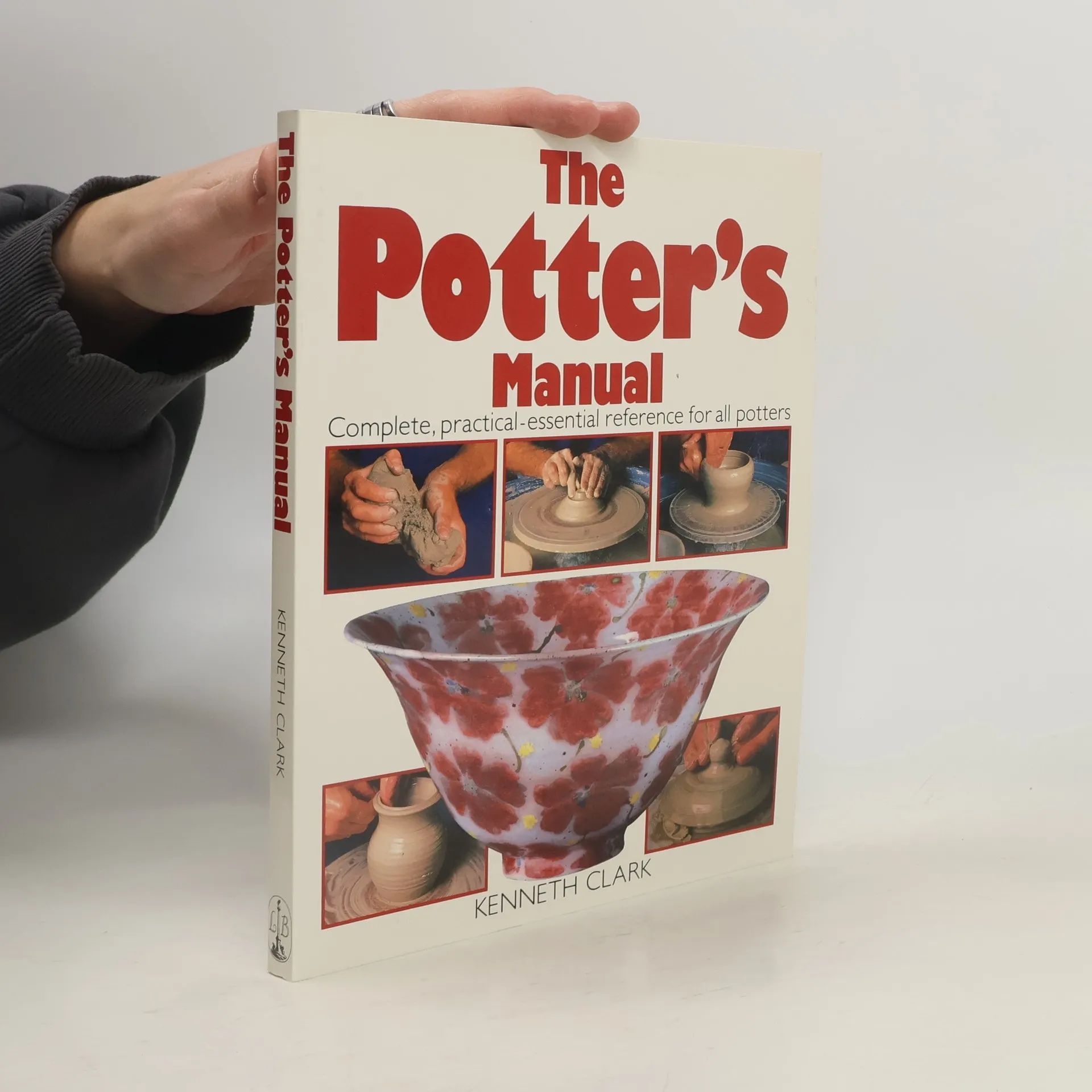
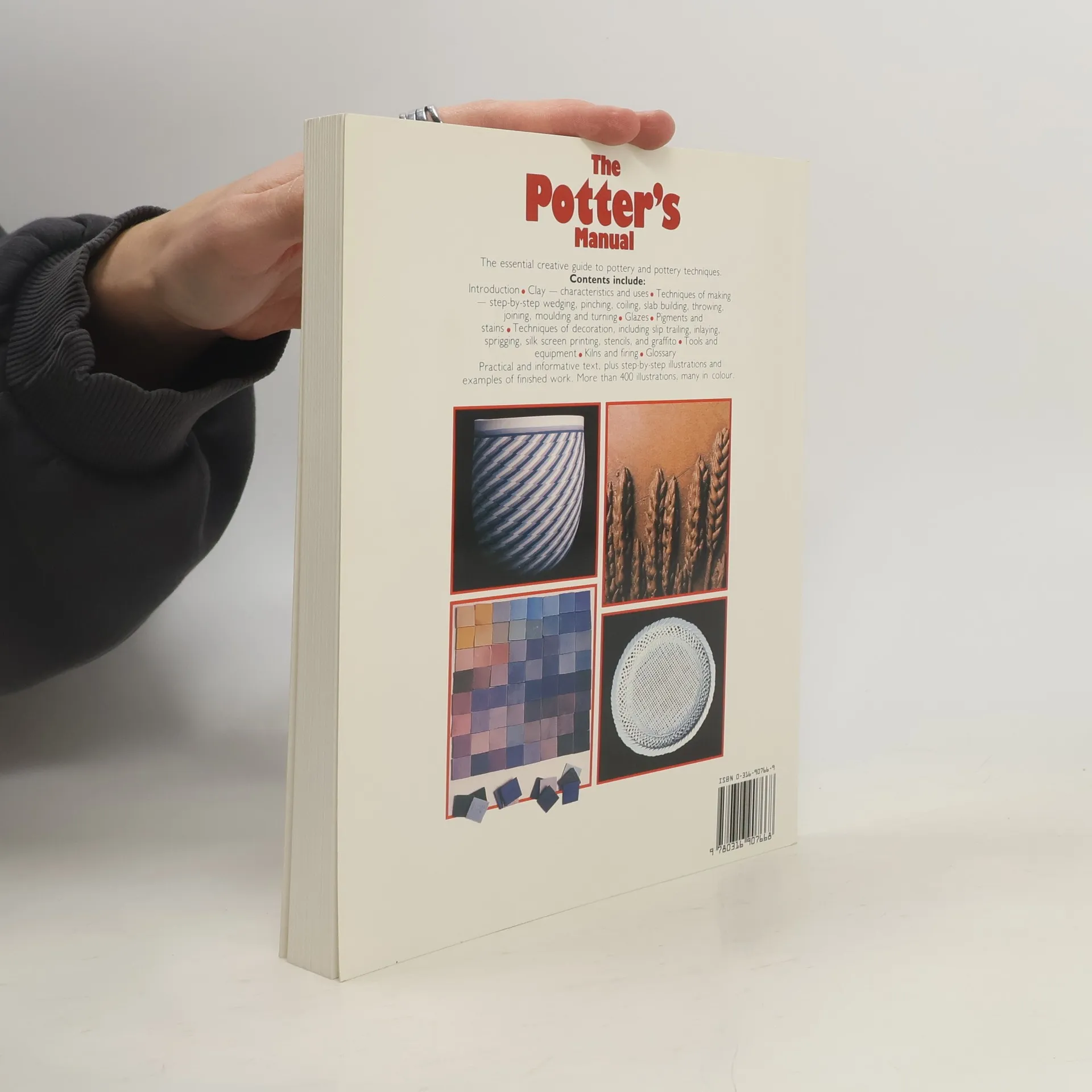
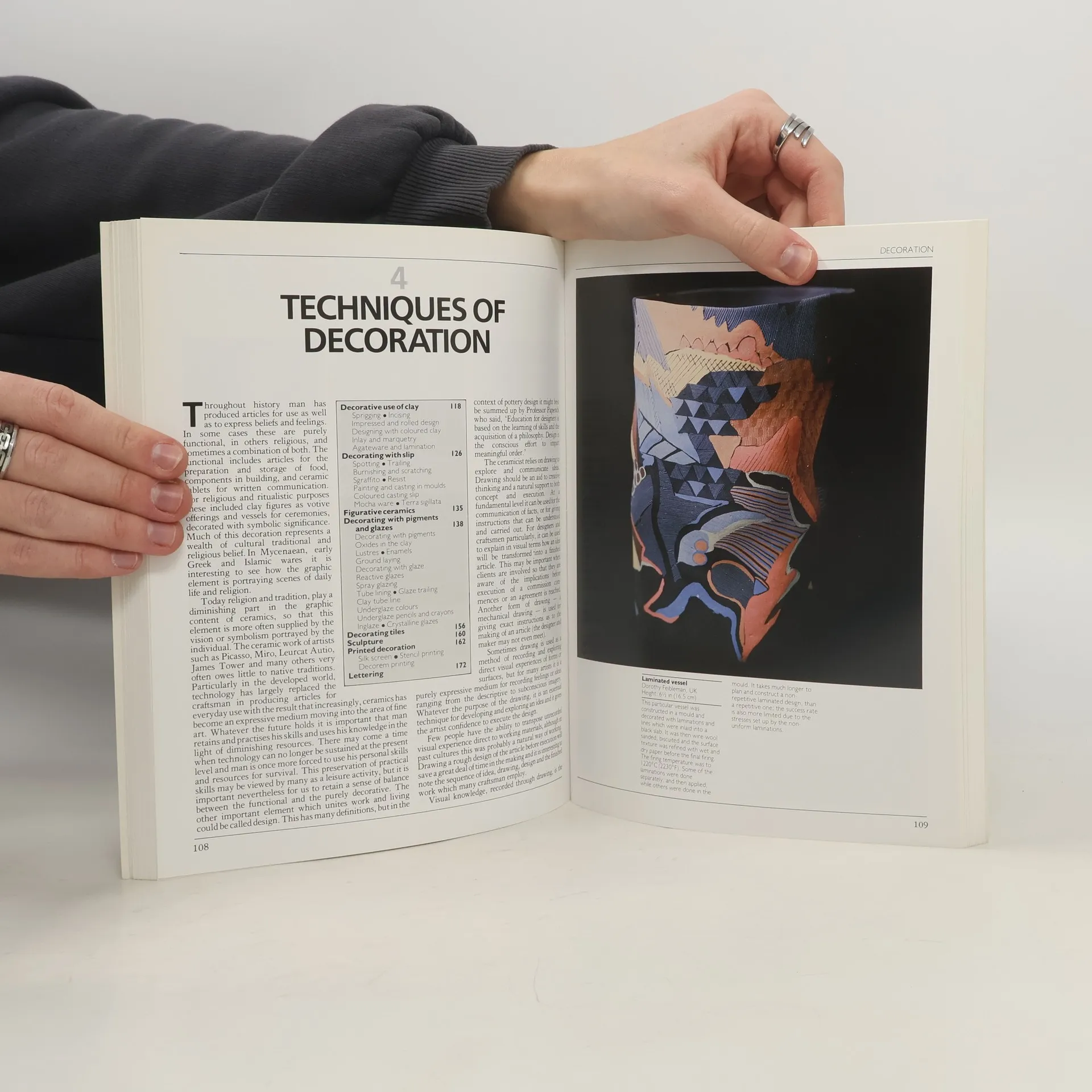
In this comprehensive guide to pottery Kenneth Clark explains with the help of practical and informative text together with step-by-step illustrations and examples of finished work the various aspects of pottery. These include techniques of wedge making, pinching, coiling, slab building, throwing, joining, moulding and turning. In addition Clark gives full details on techniques of decoration, tools and equipment, kilns and firing, glazes, pigments and stains finishing with a full glossary. He also suggests ways in which potters can extend their techniques of production to meet the needs of changing markets and conditions, whilst trying to keep a balance between the work of the artist innovator and the production potter or ceramicist.
Buchkauf
The Potter's Manual, Kenneth Clark
- Sprache

- Erscheinungsdatum
- 1983
- Einband
- (Paperback)
Hier könnte deine Bewertung stehen.
- Titel
- The Potter's Manual
- Sprache
- Englisch
- Autor*innen
- Kenneth Clark
- Verlag
- Little, Brown & Company
- Erscheinungsdatum
- 1983
- Einband
- Paperback
- Seitenzahl
- 208
- ISBN10
- 0316907669
- ISBN13
- 9780316907668
- Reihe
- Bewertung
- 4 von 5 Sternen
- Beschreibung
- In this comprehensive guide to pottery Kenneth Clark explains with the help of practical and informative text together with step-by-step illustrations and examples of finished work the various aspects of pottery. These include techniques of wedge making, pinching, coiling, slab building, throwing, joining, moulding and turning. In addition Clark gives full details on techniques of decoration, tools and equipment, kilns and firing, glazes, pigments and stains finishing with a full glossary. He also suggests ways in which potters can extend their techniques of production to meet the needs of changing markets and conditions, whilst trying to keep a balance between the work of the artist innovator and the production potter or ceramicist.