

Mehr zum Buch
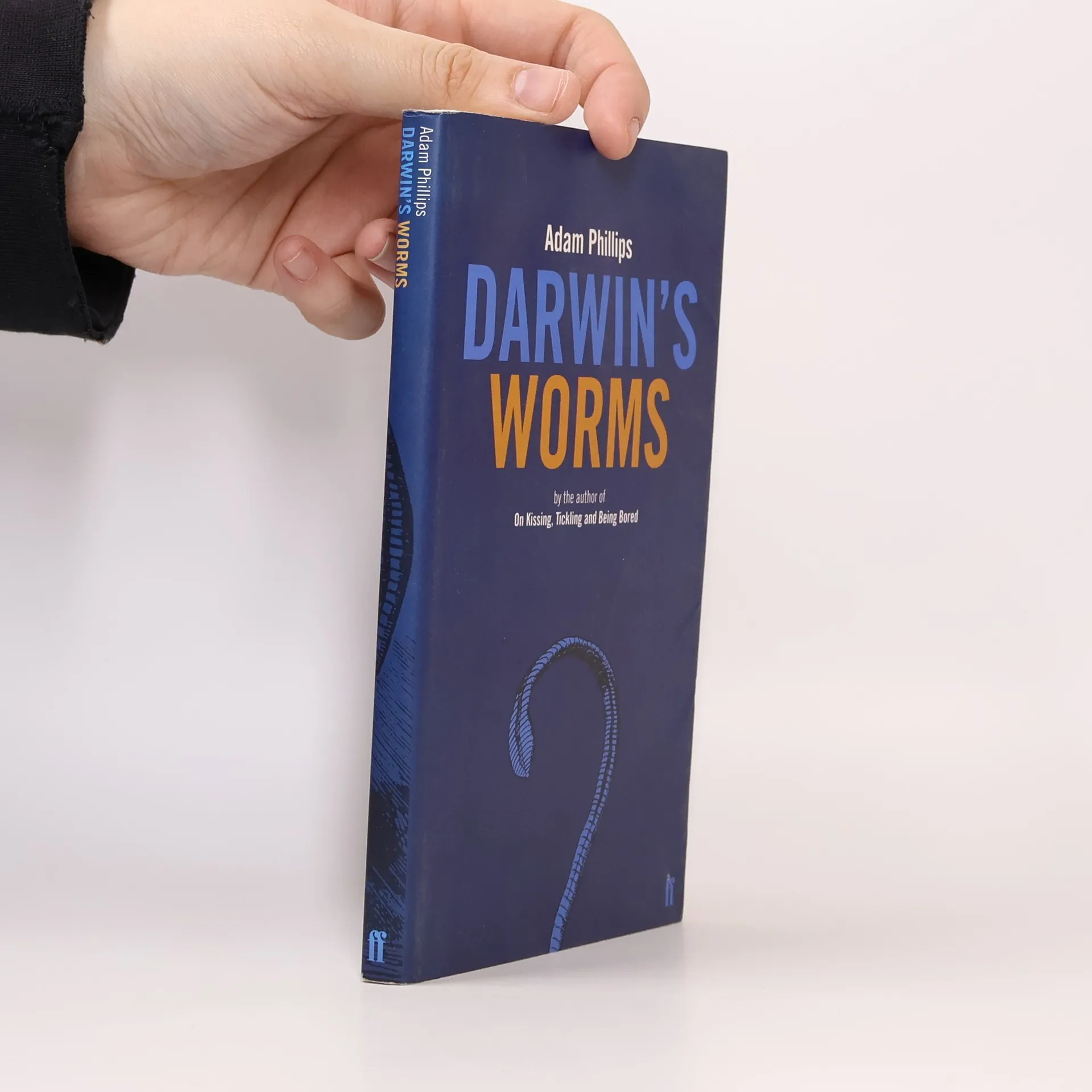
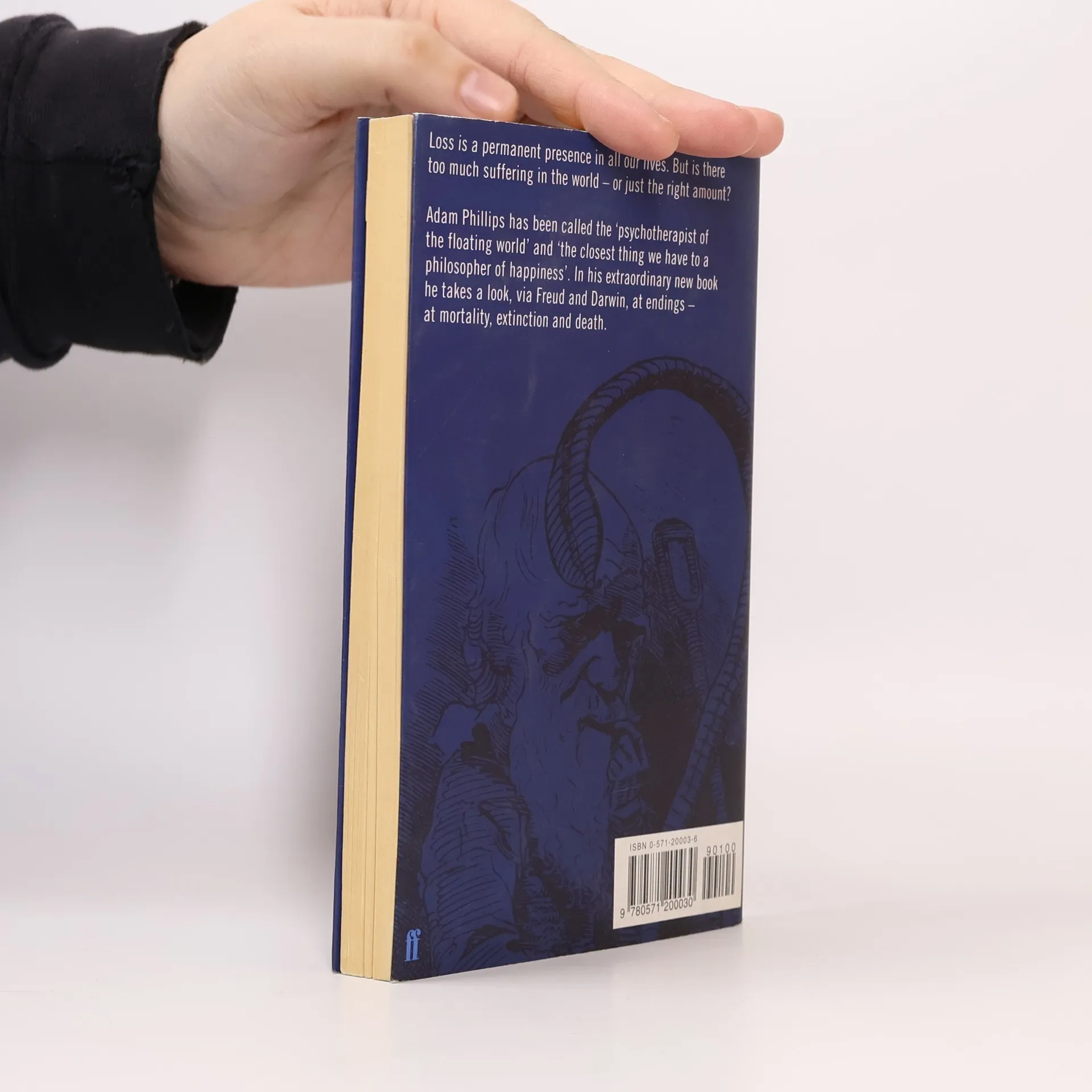
Adam Phillips has been called the 'psychotherapist of the floating world' and 'the closest thing we have to a philosopher of happiness'. In this extraordinary book he takes a look, via Freud and Darwin, at endings - at mortality, extinction and death. Darwin and Freud took God out of the big picture, leaving nothing between mankind and nature. Their ideas were met with righteous indignation. But today, whether or not we read Darwin and Freud, we speak a version of their languages. Most of us think of childhood and sexuality as sources of suffering, and we picture ourselves as animals struggling competitively for survival. Yet, as Adam Phillips argues, we are not merely trapped in a world of continuous loss. Taking as his examples Darwin's life-long fascination in lowly earthworms, and Freud's life-long antipathy to grubbing biographers, he unexpectedly finds much to celebrate. For both of these writers are interested, above all, in how destruction conserves life. They take their inspiration from fossils or from half-remembered dreams, and show how life is about what can be done with these humble remnants from the past. Darwin and Freud render ageing, accident and death integral, not alien, to our sense of ourselves. They teach us the art of transience.
Buchkauf
Darwin's Worms, Adam Phillips
- Sprache

- Erscheinungsdatum
- 1999
- Einband
- (Paperback)
Hier könnte deine Bewertung stehen.
- Titel
- Darwin's Worms
- Sprache
- Englisch
- Autor*innen
- Adam Phillips
- Verlag
- Faber & Faber
- Erscheinungsdatum
- 1999
- Einband
- Paperback
- Seitenzahl
- 148
- ISBN10
- 0571200036
- ISBN13
- 9780571200030
- Reihe
- Kategorien
- Schlagwörter
- Psychologische Thematik, Philosophisches Thema, Wissenschaft, Tod, Psychoanalyse, Evolution
- Bewertung
- 3,95 von 5 Sternen
- Beschreibung
- Adam Phillips has been called the 'psychotherapist of the floating world' and 'the closest thing we have to a philosopher of happiness'. In this extraordinary book he takes a look, via Freud and Darwin, at endings - at mortality, extinction and death. Darwin and Freud took God out of the big picture, leaving nothing between mankind and nature. Their ideas were met with righteous indignation. But today, whether or not we read Darwin and Freud, we speak a version of their languages. Most of us think of childhood and sexuality as sources of suffering, and we picture ourselves as animals struggling competitively for survival. Yet, as Adam Phillips argues, we are not merely trapped in a world of continuous loss. Taking as his examples Darwin's life-long fascination in lowly earthworms, and Freud's life-long antipathy to grubbing biographers, he unexpectedly finds much to celebrate. For both of these writers are interested, above all, in how destruction conserves life. They take their inspiration from fossils or from half-remembered dreams, and show how life is about what can be done with these humble remnants from the past. Darwin and Freud render ageing, accident and death integral, not alien, to our sense of ourselves. They teach us the art of transience.