

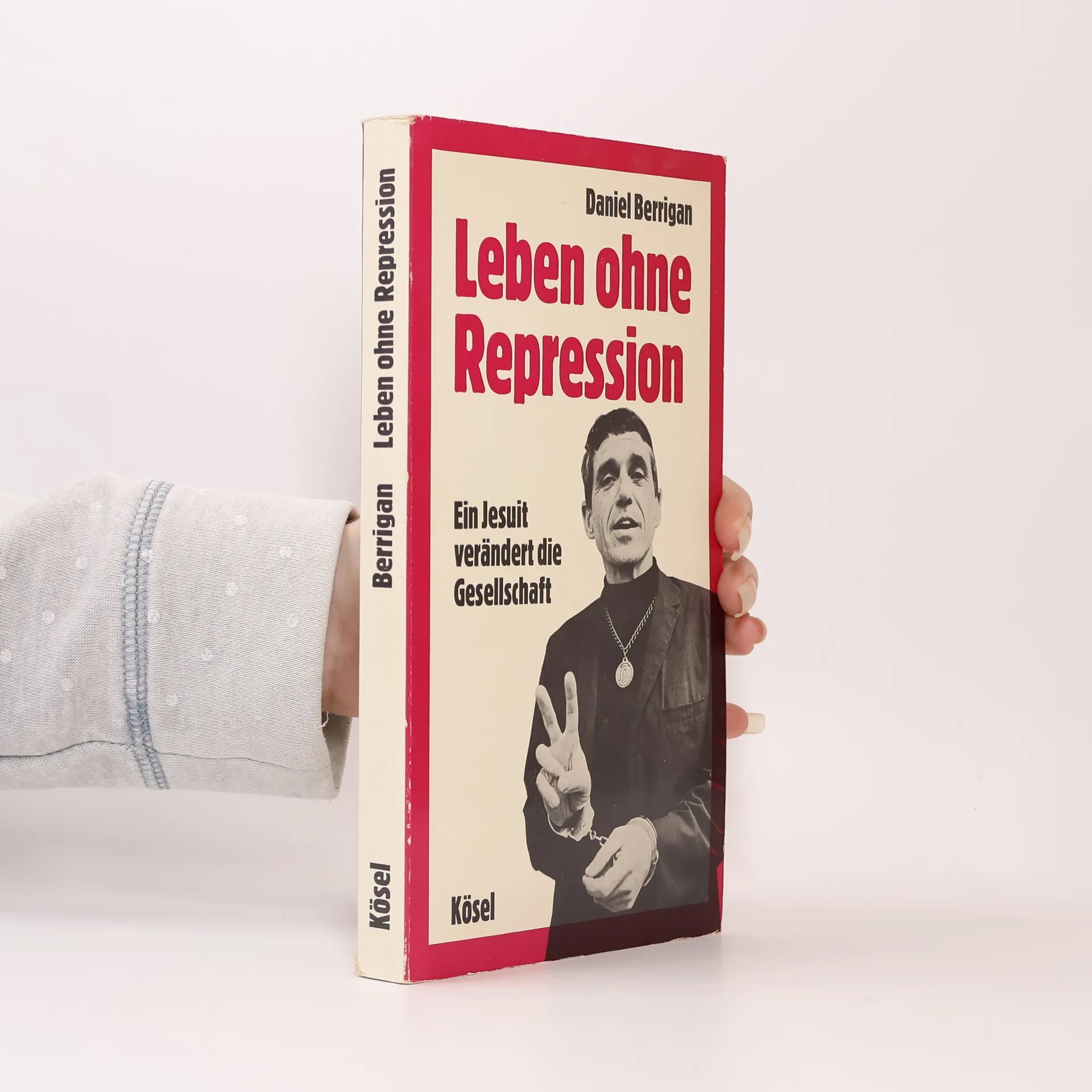


Leben ohne Repression
Ein Jesuit verändert die Gesellschaft
Autor*innen
Mehr zum Buch
Committed radical that he is, Daniel Berrigan, launches his personal rockets against the social evils that disturb and preoccupy him. Beginning with a long autobiographical piece he traces the influences that brought him first to a radical stance and then to a direct confrontation with society. From this very intimate statement he develops his theme of a need for nonviolent revolutionary change in his reflections on his own trial and sentencing, in his thoughtful examination of the true implications of Christianity, and in his consideration of prophets as revolutionaries. In a long dialog with an SDS student about the 1969 Black/White confrontation at Cornell University, he relates the questions raised by that crisis to the larger crises of American life. Finally, he directs two stinging parables at the well-fed and the complacent. Probing and provocative, this work illuminates starkly the agonizing decisions people must make.
Buchkauf
Leben ohne Repression, Daniel Berrigan
- Sprache

- Erscheinungsdatum
- 1972
- Einband
- (Paperback)
Keiner hat bisher bewertet.
- Titel
- Leben ohne Repression
- Untertitel
- Ein Jesuit verändert die Gesellschaft
- Sprache
- Deutsch
- Autor*innen
- Daniel Berrigan
- Verlag
- Kösel
- Erscheinungsdatum
- 1972
- Einband
- Paperback
- Seitenzahl
- 206
- ISBN10
- 346642027X
- ISBN13
- 9783466420278
- Reihe
- Kategorien
- Schlagwörter
- Spiritualität
- Beschreibung
- Committed radical that he is, Daniel Berrigan, launches his personal rockets against the social evils that disturb and preoccupy him. Beginning with a long autobiographical piece he traces the influences that brought him first to a radical stance and then to a direct confrontation with society. From this very intimate statement he develops his theme of a need for nonviolent revolutionary change in his reflections on his own trial and sentencing, in his thoughtful examination of the true implications of Christianity, and in his consideration of prophets as revolutionaries. In a long dialog with an SDS student about the 1969 Black/White confrontation at Cornell University, he relates the questions raised by that crisis to the larger crises of American life. Finally, he directs two stinging parables at the well-fed and the complacent. Probing and provocative, this work illuminates starkly the agonizing decisions people must make.