



Mehr zum Buch
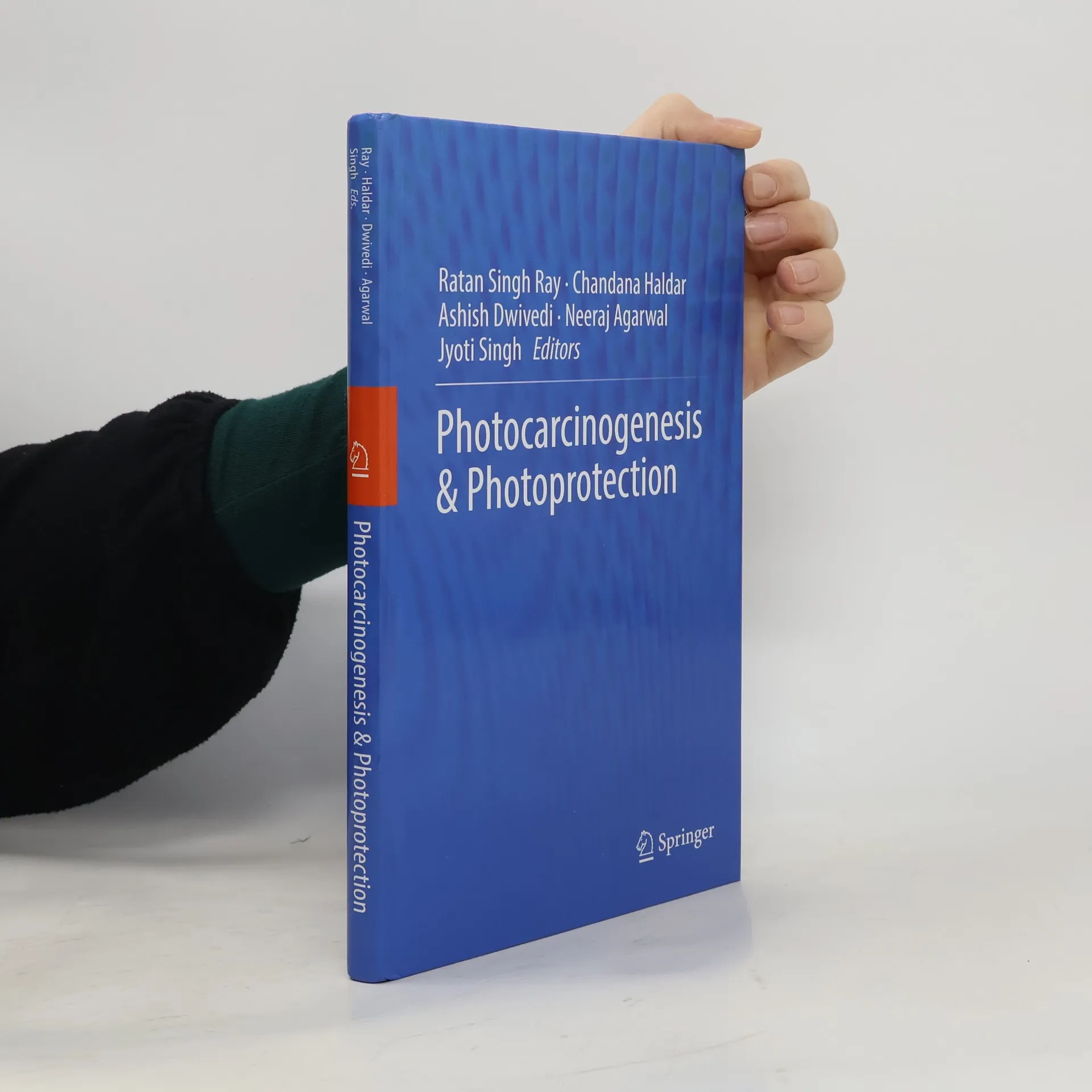
This book highlights the problem of UV-R-induced photocarcinogenesis and its molecular mechanism. It covers different photosensitive xenobiotics (drugs, cosmetics, and environmental pollutants) and their photosensitization mechanisms under ambient UV-R exposure. It also summarizes the role of nanotechnology in skin cancer remedies. It provides a brief overview of the various novel nanocarriers for cosmeceuticals like nanoemulsions, liposomes, solid lipid nanoparticles (SLNs), dendrimers, inorganic nanoparticles, nanocrystals, etc., nanotechnology-based cosmeceutical products which are available in the market. It highlights the possible health hazards caused by nanoparticles on exposure of nano-based cosmetics and describes the recent regulatory rules applied to avoid the nanotoxicity.
Buchkauf
Photocarcinogenesis & Photoprotection, Ratan Singh Ray, Chandana Haldar, Ashish Dwivedi, Neeraj Agarwal, Jyoti Singh
- Sprache

- Erscheinungsdatum
- 2018
- Einband
- (Hardcover)
Keiner hat bisher bewertet.
- Titel
- Photocarcinogenesis & Photoprotection
- Sprache
- Englisch
- Autor*innen
- Ratan Singh Ray, Chandana Haldar, Ashish Dwivedi, Neeraj Agarwal, Jyoti Singh
- Verlag
- Springer
- Erscheinungsdatum
- 2018
- Einband
- Hardcover
- Seitenzahl
- 192
- ISBN10
- 9811054924
- ISBN13
- 9789811054921
- Reihe
- Kategorien
- Schlagwörter
- Naturwissenschaften, Wissenschaft, Medizin, Technologie, Ökologische Thematik, Fachliteratur, Maschinenbau, Umweltwissenschaften, Genetik, Grundlagen, Innere Medizin, Onkologie, Immunologie, Immunsystem, Singapur, Nanotechnologie, Kernenergie, Biophysik
- Beschreibung
- This book highlights the problem of UV-R-induced photocarcinogenesis and its molecular mechanism. It covers different photosensitive xenobiotics (drugs, cosmetics, and environmental pollutants) and their photosensitization mechanisms under ambient UV-R exposure. It also summarizes the role of nanotechnology in skin cancer remedies. It provides a brief overview of the various novel nanocarriers for cosmeceuticals like nanoemulsions, liposomes, solid lipid nanoparticles (SLNs), dendrimers, inorganic nanoparticles, nanocrystals, etc., nanotechnology-based cosmeceutical products which are available in the market. It highlights the possible health hazards caused by nanoparticles on exposure of nano-based cosmetics and describes the recent regulatory rules applied to avoid the nanotoxicity.