

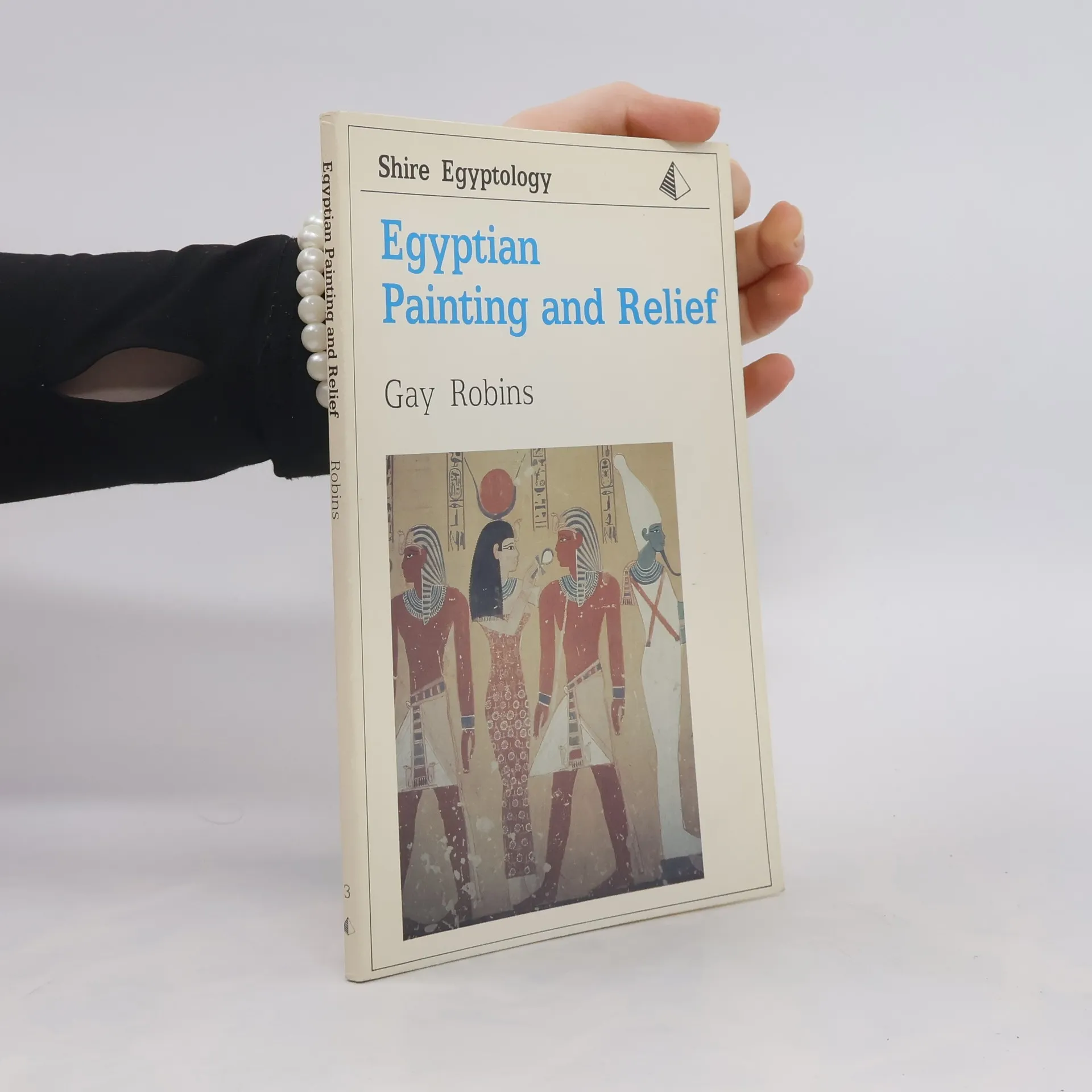
Shire Egyptology Series - 3: Egyptian Painting and Relief
Autor*innen
Mehr zum Buch
The artists of Ancient Egypt reached a level of sophistication and technical mastery unsurpassed by other early peoples. They perfected a style which was less naturalistic than that later employed by the Greeks and Romans but which is particularly fascinating to the modern eye because of its combination of realistic and symbolic elements. This book aims to help the reader to such an understanding, concentrating particularly on points that may puzzle the modern western viewer. The principles of representation underlying Egyptian art, which differ fundamentally from western conventions rooted in perspective, are elucidated and the materials and methods used by the artists described. Of great importance was the technique of drawing a squared grid over the surface to be decorated, and the use of this grid system as an aid for obtaining correct proportions is explained, together with its influence on the composition of whole scenes. A chapter is devoted to the fascinating and highly individual work produced during the reign of the heretic king Akhenaten.
Buchkauf
Shire Egyptology Series - 3: Egyptian Painting and Relief, Gay Robins
- Sprache

- Erscheinungsdatum
- 1986
- Einband
- (Paperback)
Keiner hat bisher bewertet.
- Titel
- Shire Egyptology Series - 3: Egyptian Painting and Relief
- Sprache
- Englisch
- Autor*innen
- Gay Robins
- Verlag
- Shire Publications
- Erscheinungsdatum
- 1986
- Einband
- Paperback
- Seitenzahl
- 64
- ISBN10
- 0852637896
- ISBN13
- 9780852637890
- Reihe
- Kategorien
- Schlagwörter
- Kunst, Archäologie, Ägypten
- Beschreibung
- The artists of Ancient Egypt reached a level of sophistication and technical mastery unsurpassed by other early peoples. They perfected a style which was less naturalistic than that later employed by the Greeks and Romans but which is particularly fascinating to the modern eye because of its combination of realistic and symbolic elements. This book aims to help the reader to such an understanding, concentrating particularly on points that may puzzle the modern western viewer. The principles of representation underlying Egyptian art, which differ fundamentally from western conventions rooted in perspective, are elucidated and the materials and methods used by the artists described. Of great importance was the technique of drawing a squared grid over the surface to be decorated, and the use of this grid system as an aid for obtaining correct proportions is explained, together with its influence on the composition of whole scenes. A chapter is devoted to the fascinating and highly individual work produced during the reign of the heretic king Akhenaten.