

Parameter
- 324 Seiten
- 12 Lesestunden
Mehr zum Buch
On 4 February 1961, the MPLA marked the beginning of its national revolution, triggering a violent upheaval in Angola that caught Portugal off guard. Following the uprisings and the bloody Bacongo insurrection on 15 March, Portugal, with an untested military since World War I, launched an urgent counteroffensive. By January 1961, Angola, once a thriving 'overseas province' of Portugal, was experiencing a period of significant growth. The 1950s had been a golden decade, with extensive development projects and a dramatic increase in exports, creating an illusion of stability amidst Africa's turmoil. Portugal, under Prime Minister Dr. Salazar, maintained a strict racial hierarchy in its colonies, enforcing a draconian policy that categorized the population into 'native,' white, and 'assimilated' groups. This colonial mindset persisted despite the brewing discontent. The Angolan conflict became one of the bloodiest colonial insurgencies in Africa's history, but Portugal's ultimate defeat stemmed from its inability to win the hearts of its citizens. After thirteen years of grueling warfare and setbacks in other territories, Portugal's exhausted military would ultimately contribute to its own downfall.
Buchkauf
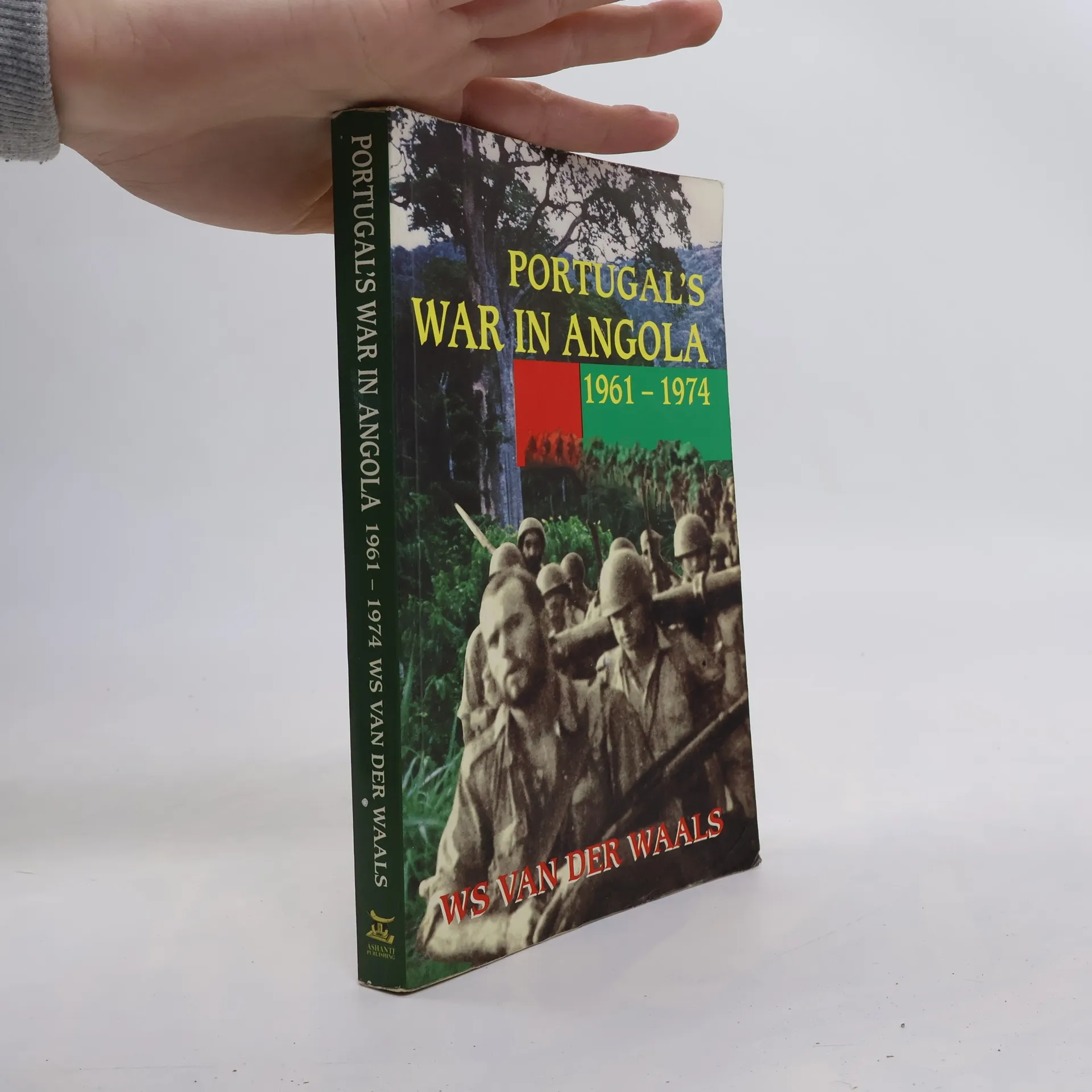
Portugal’s War in Angola, 1961-1974, Photos, Willem S. Van der Waals
- Sprache

- Erscheinungsdatum
- 1993
- Einband
- (Paperback)
Hier könnte deine Bewertung stehen.
- Titel
- Portugal’s War in Angola, 1961-1974
- Sprache
- Englisch
- Autor*innen
- Photos, Willem S. Van der Waals
- Verlag
- Ashanti Publishing
- Erscheinungsdatum
- 1993
- Einband
- Paperback
- Seitenzahl
- 324
- ISBN10
- 1874800510
- ISBN13
- 9781874800514
- Reihe
- Kategorien
- Schlagwörter
- Historisches Thema, Afrika, Politische Theorien, Portugal, Angola
- Bewertung
- 3,3 von 5 Sternen
- Beschreibung
- On 4 February 1961, the MPLA marked the beginning of its national revolution, triggering a violent upheaval in Angola that caught Portugal off guard. Following the uprisings and the bloody Bacongo insurrection on 15 March, Portugal, with an untested military since World War I, launched an urgent counteroffensive. By January 1961, Angola, once a thriving 'overseas province' of Portugal, was experiencing a period of significant growth. The 1950s had been a golden decade, with extensive development projects and a dramatic increase in exports, creating an illusion of stability amidst Africa's turmoil. Portugal, under Prime Minister Dr. Salazar, maintained a strict racial hierarchy in its colonies, enforcing a draconian policy that categorized the population into 'native,' white, and 'assimilated' groups. This colonial mindset persisted despite the brewing discontent. The Angolan conflict became one of the bloodiest colonial insurgencies in Africa's history, but Portugal's ultimate defeat stemmed from its inability to win the hearts of its citizens. After thirteen years of grueling warfare and setbacks in other territories, Portugal's exhausted military would ultimately contribute to its own downfall.