

Ben Jonson and Envy
Autor*innen
Mehr zum Buch
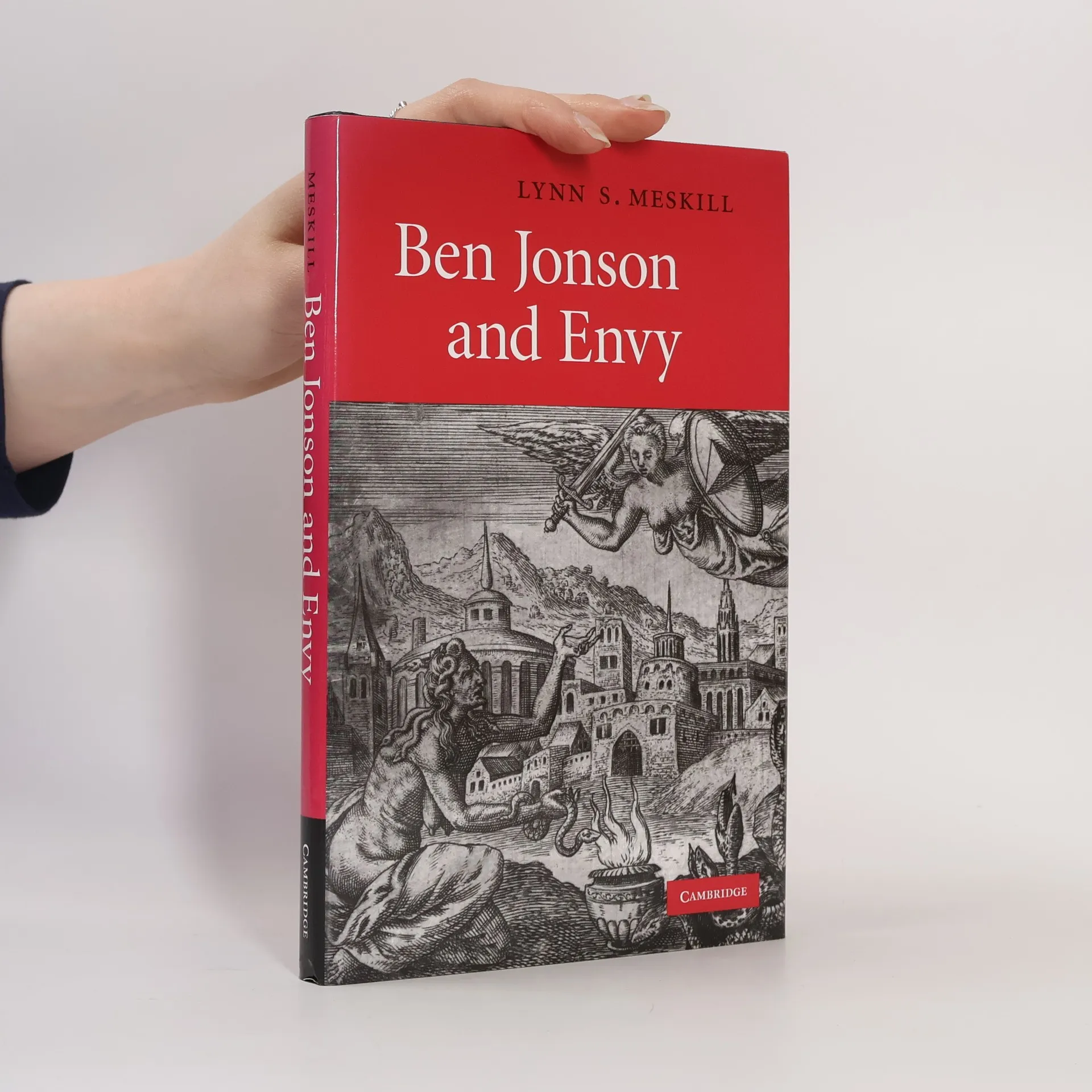
In the early modern period, envy was often represented iconographically in the image of the Medusa, with snaky locks and a poisonous gaze. Ben Jonson and Envy investigates the importance of envy to Jonson's imagination, showing that he perceived spectators and readers as filled with envy, and created strategies to defend his work from their distorting and potentially 'deadly' gaze. Drawing on historical and anthropological studies of evil eye beliefs, this study focuses on the authorial imperative to charm and baffle ritualistically the eye of the implied spectator or reader, in order to protect his works from defacement. Comparing the exchange between authors and readers to social relations, the book illuminates the way in which the literary may be seen to be informed by popular culture. Ben Jonson and Envy tackles a previously overlooked, but vital, aspect of Jonson's poetics.
Buchkauf
Ben Jonson and Envy, Lynn S. Meskill
- Sprache

- Erscheinungsdatum
- 2009
- Einband
- (Hardcover)
Keiner hat bisher bewertet.
- Titel
- Ben Jonson and Envy
- Sprache
- Englisch
- Autor*innen
- Lynn S. Meskill
- Erscheinungsdatum
- 2009
- Einband
- Hardcover
- Seitenzahl
- 242
- ISBN10
- 0521517435
- ISBN13
- 9780521517430
- Reihe
- Kategorien
- Schlagwörter
- Historisches Thema, England, Großbritannien, Literarische Kritik, 16. Jahrhundert, Urheberrecht, Psychologische Aspekte
- Beschreibung
- In the early modern period, envy was often represented iconographically in the image of the Medusa, with snaky locks and a poisonous gaze. Ben Jonson and Envy investigates the importance of envy to Jonson's imagination, showing that he perceived spectators and readers as filled with envy, and created strategies to defend his work from their distorting and potentially 'deadly' gaze. Drawing on historical and anthropological studies of evil eye beliefs, this study focuses on the authorial imperative to charm and baffle ritualistically the eye of the implied spectator or reader, in order to protect his works from defacement. Comparing the exchange between authors and readers to social relations, the book illuminates the way in which the literary may be seen to be informed by popular culture. Ben Jonson and Envy tackles a previously overlooked, but vital, aspect of Jonson's poetics.