

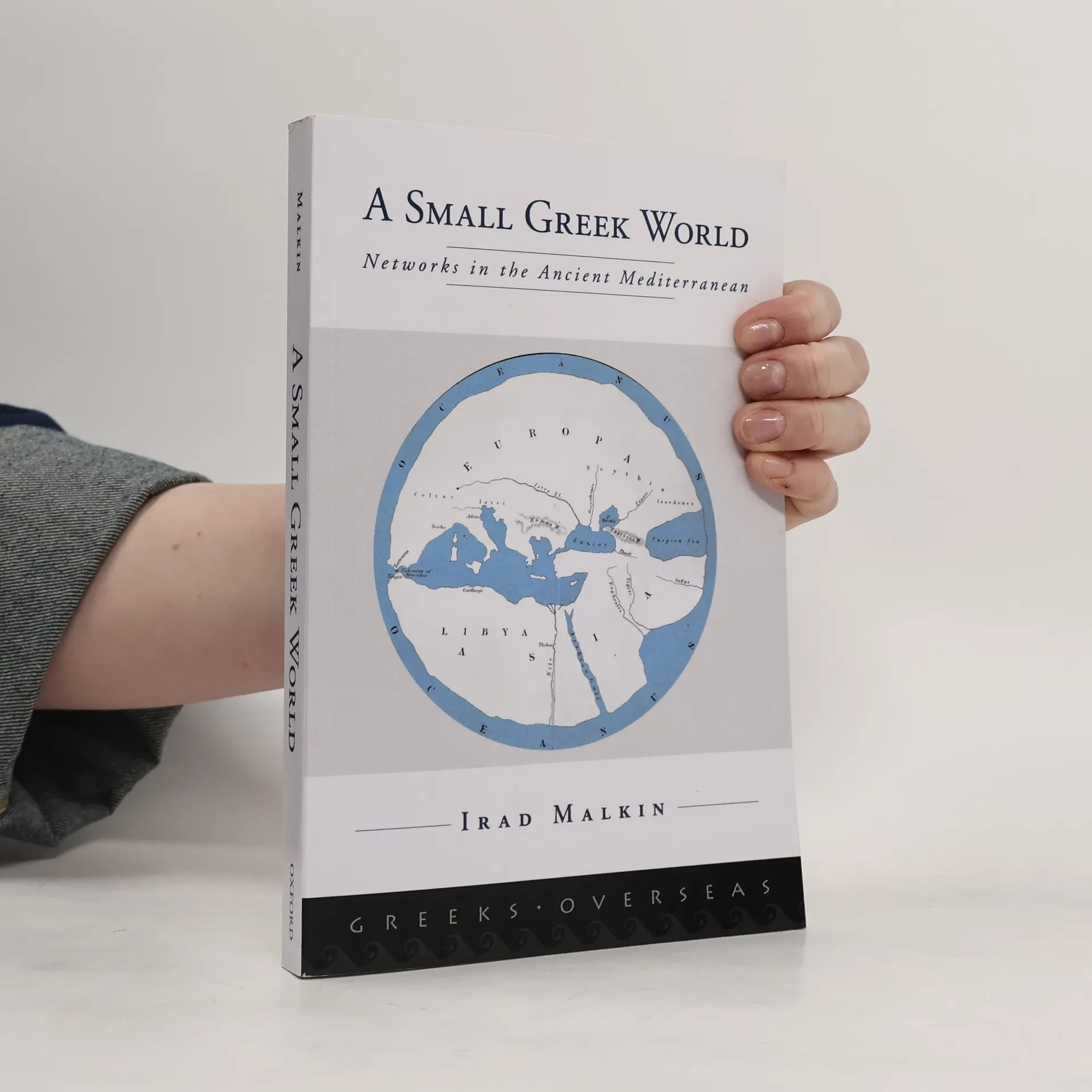


Greeks Overseas: A Small Greek World
Networks in the Ancient Mediterranean
Autor*innen
Buchbewertung
Mehr zum Buch
Greek civilization and identity emerged not from proximity but from distance during the Archaic period, as Greeks established coastal city-states and trading posts from the Ukraine to Spain. There was no central authority directing this expansion; numerous mother cities spawned new settlements, leading to a decentralized network. The "Greek center" was maritime, shaped by cultural convergence among independent settlements. Cicero noted that "the shores of Greece are like hems stitched onto the lands of Barbarian peoples." Despite geographical separation, Greek settlement practices unified communities, making them more similar to each other than to neighboring cultures like the Etruscans or Scythians. The distinction between "center and periphery" lost significance, as did the contrast with Barbarians. This raises the question of whether we should admire the Greeks for creating their civilization despite vast distances or recognize that its salient features arose from its decentralized nature. The book argues that the answer lies in the network attributes of a "Small Greek World," where separation is defined by degrees of contact rather than mere physical distance.
Buchkauf
Greeks Overseas: A Small Greek World, Irad Malkin
- Sprache

- Erscheinungsdatum
- 2013
- Einband
- (Paperback)
Hier könnte deine Bewertung stehen.
- Titel
- Greeks Overseas: A Small Greek World
- Untertitel
- Networks in the Ancient Mediterranean
- Sprache
- Englisch
- Autor*innen
- Irad Malkin
- Verlag
- Oxford University Press
- Erscheinungsdatum
- 2013
- Einband
- Paperback
- Seitenzahl
- 306
- ISBN10
- 0199315728
- ISBN13
- 9780199315727
- Reihe
- Kategorien
- Schlagwörter
- USA, Europa, Altertum, Geschichte Europas, Archäologie, Griechenland, Antikes Griechenland
- Bewertung
- 4 von 5 Sternen
- Beschreibung
- Greek civilization and identity emerged not from proximity but from distance during the Archaic period, as Greeks established coastal city-states and trading posts from the Ukraine to Spain. There was no central authority directing this expansion; numerous mother cities spawned new settlements, leading to a decentralized network. The "Greek center" was maritime, shaped by cultural convergence among independent settlements. Cicero noted that "the shores of Greece are like hems stitched onto the lands of Barbarian peoples." Despite geographical separation, Greek settlement practices unified communities, making them more similar to each other than to neighboring cultures like the Etruscans or Scythians. The distinction between "center and periphery" lost significance, as did the contrast with Barbarians. This raises the question of whether we should admire the Greeks for creating their civilization despite vast distances or recognize that its salient features arose from its decentralized nature. The book argues that the answer lies in the network attributes of a "Small Greek World," where separation is defined by degrees of contact rather than mere physical distance.