

Parameter
Mehr zum Buch
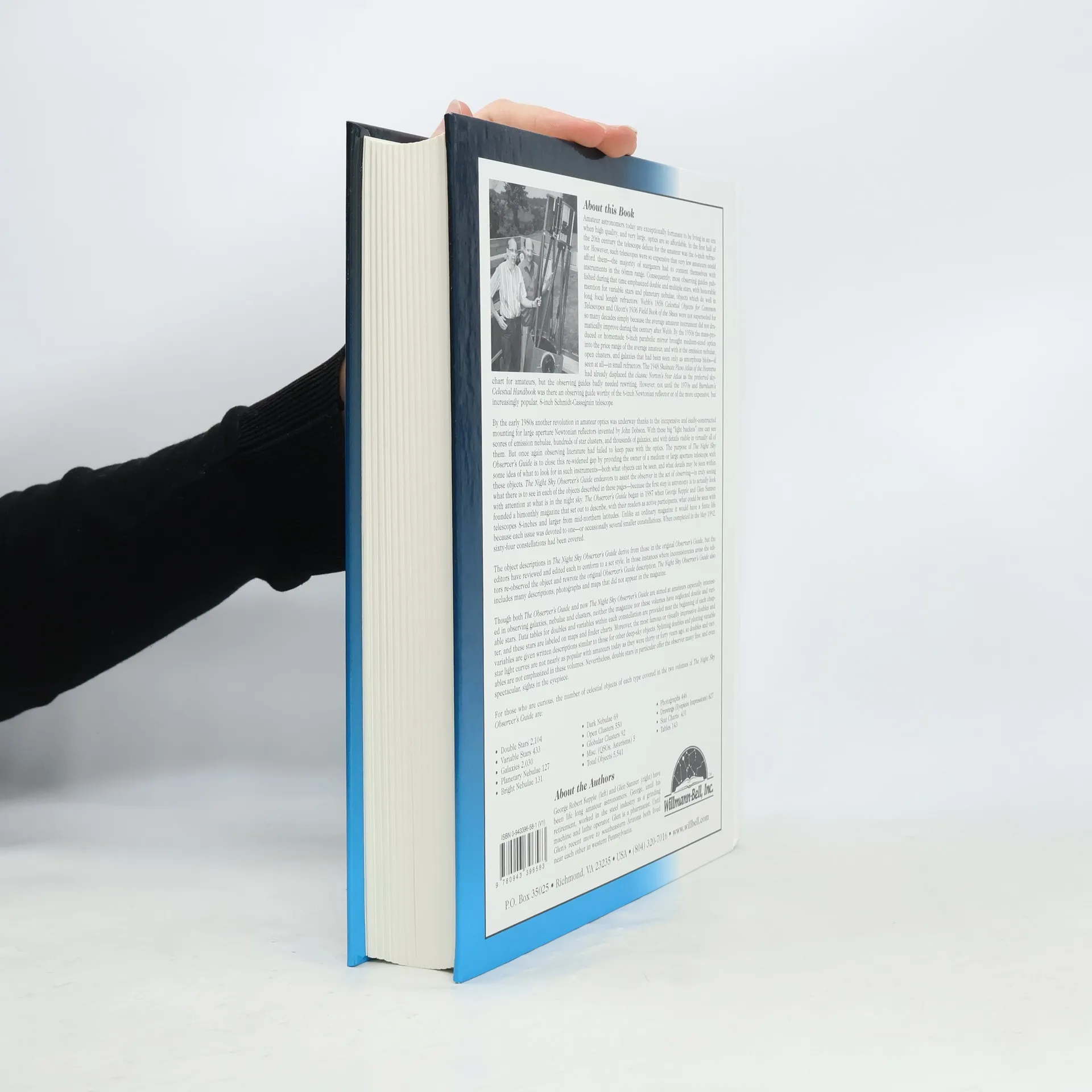
Amateur astronomers today are exceptionally fortunate to be living in an era when high quality, and very large, optics are so affordable. In the first half of the 20th century the telescope deluxe for the amateur was the 6-inch refractor. However, such telescopes were so expensive that very few amateurs could afford the majority of stargazers had to content themselves with instruments in the 60mm range. Consequently, most observing guides published during that time emphasized double and multiple stars, with honorable mention for variable stars and planetary nebulae, objects which do well in long focal length refractors. Webb's 1858 Celestial Objects for Common Telescopes and Olcott's 1936 Field Book of the Skies were not superceded for so many decades simply because the average amateur instrument did not dramatically improve during the century after Webb. By the 1950s the mass-produced or homemade 6-inch parabolic mirror brought medium-sized optics into the price range of the ave
Buchkauf
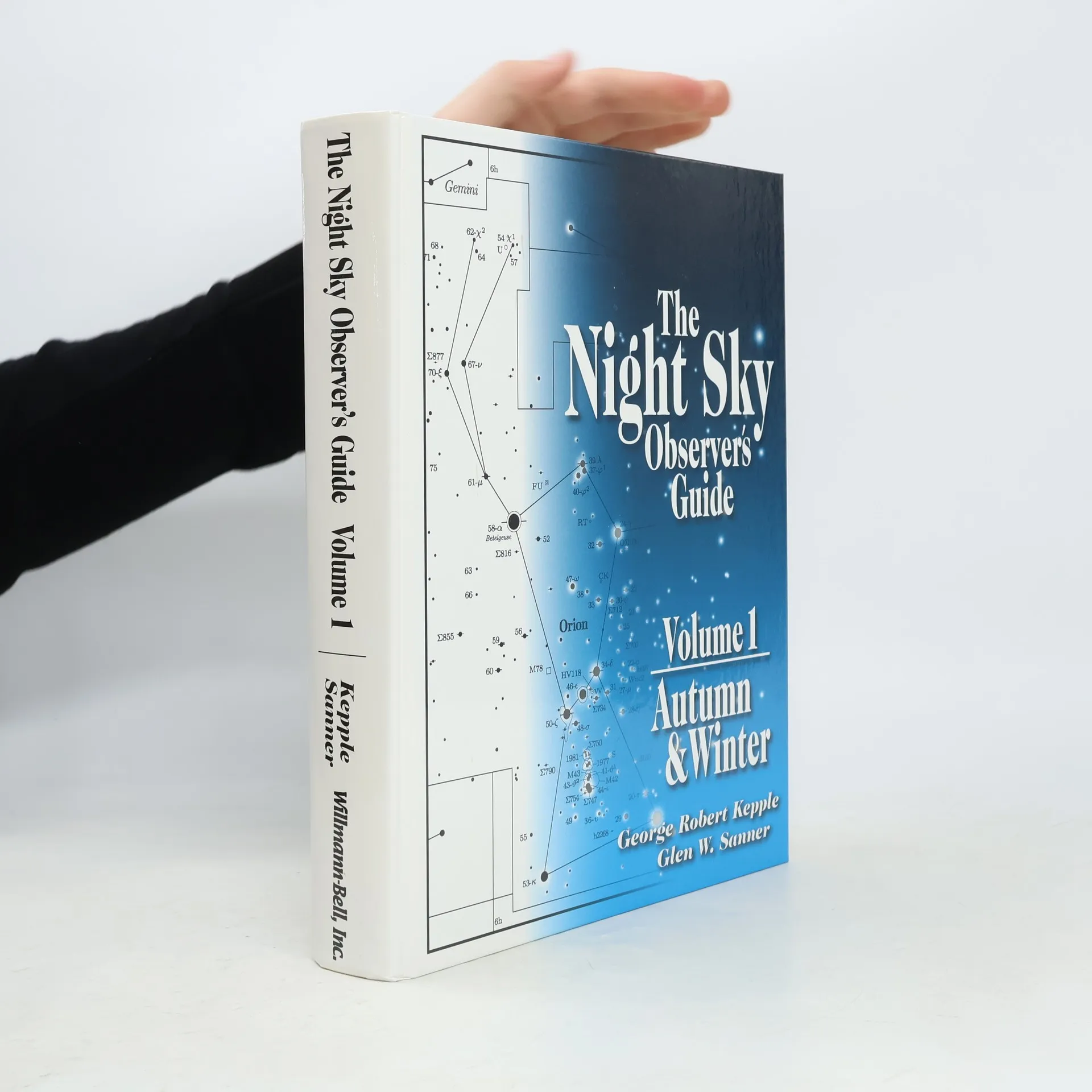
The Night Sky Observer's Guide, George Robert Kepple, Glen W. Sanner
- Sprache

- Erscheinungsdatum
- 1998
- Einband
- (Hardcover)
Hier könnte deine Bewertung stehen.
- Titel
- The Night Sky Observer's Guide
- Untertitel
- Autumn & Winter
- Sprache
- Englisch
- Autor*innen
- George Robert Kepple, Glen W. Sanner
- Verlag
- Willmann-Bell
- Erscheinungsdatum
- 1998
- Einband
- Hardcover
- ISBN10
- 0943396581
- ISBN13
- 9780943396583
- Reihe
- Kategorien
- Schlagwörter
- Natur, Wissenschaft, Weltraum
- Bewertung
- 4,75 von 5 Sternen
- Beschreibung
- Amateur astronomers today are exceptionally fortunate to be living in an era when high quality, and very large, optics are so affordable. In the first half of the 20th century the telescope deluxe for the amateur was the 6-inch refractor. However, such telescopes were so expensive that very few amateurs could afford the majority of stargazers had to content themselves with instruments in the 60mm range. Consequently, most observing guides published during that time emphasized double and multiple stars, with honorable mention for variable stars and planetary nebulae, objects which do well in long focal length refractors. Webb's 1858 Celestial Objects for Common Telescopes and Olcott's 1936 Field Book of the Skies were not superceded for so many decades simply because the average amateur instrument did not dramatically improve during the century after Webb. By the 1950s the mass-produced or homemade 6-inch parabolic mirror brought medium-sized optics into the price range of the ave