

Mehr zum Buch
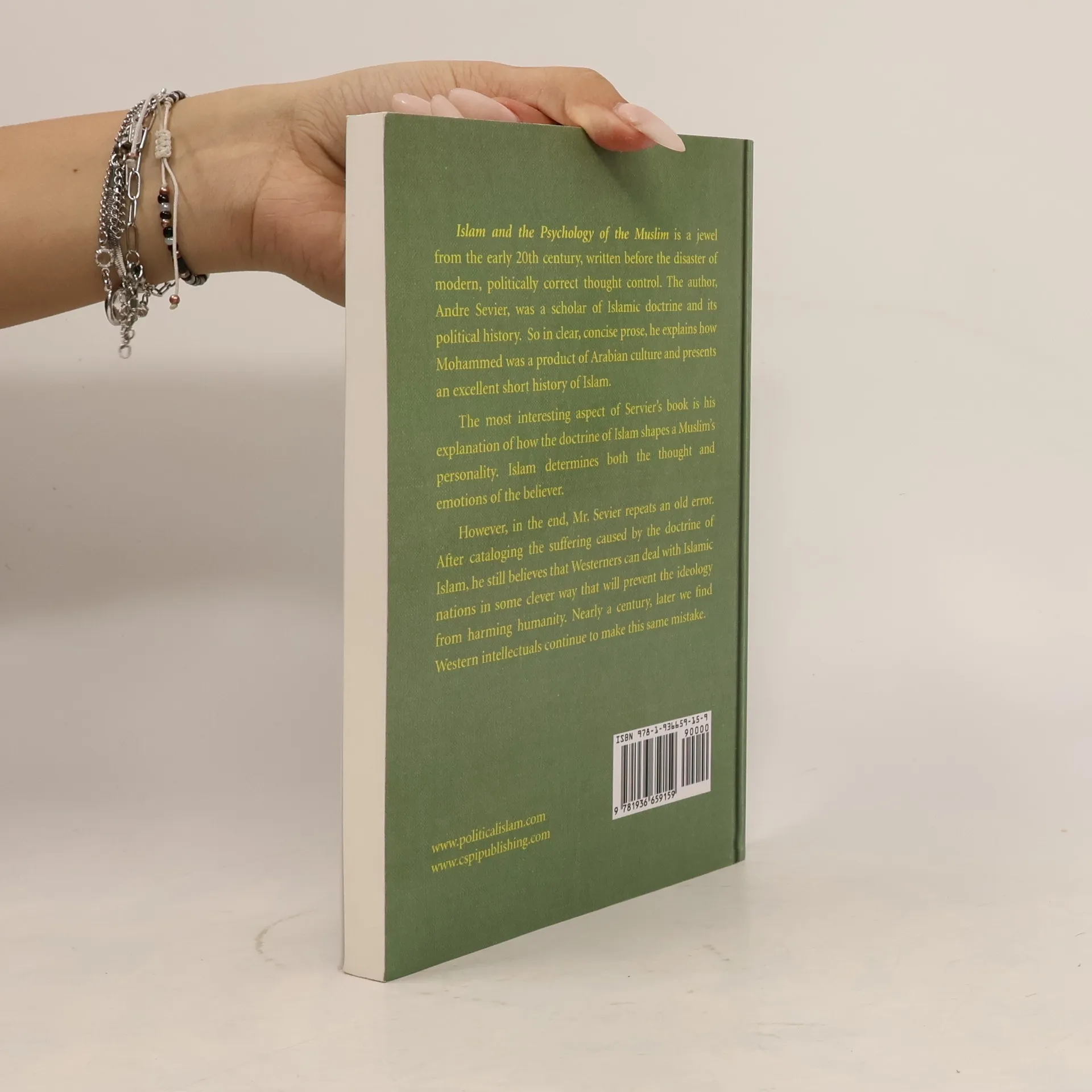
Islam and the Psychology of the Muslim is a jewel from the early 20th century, written before the disaster of modern, politically correct thought control. The author, Andre Sevier, was a scholar of Islamic doctrine and its political history. So in clear, concise prose, he explains how Mohammed was a product of Arabian culture and presents an excellent short history of Islam. The most interesting aspect of Servier's book is his explanation of how the doctrine of Islam shapes a Muslim's personality. Islam determines both the thought and emotions of the believer. However, in the end, Mr. Sevier repeats an old error. After cataloging the suffering caused by the doctrine of Islam, he still believes that Westerners can deal with Islamic nations in some clever way that will prevent the ideology from harming humanity. Nearly a century, later we find Western intellectuals continue to make this same mistake.
Buchkauf
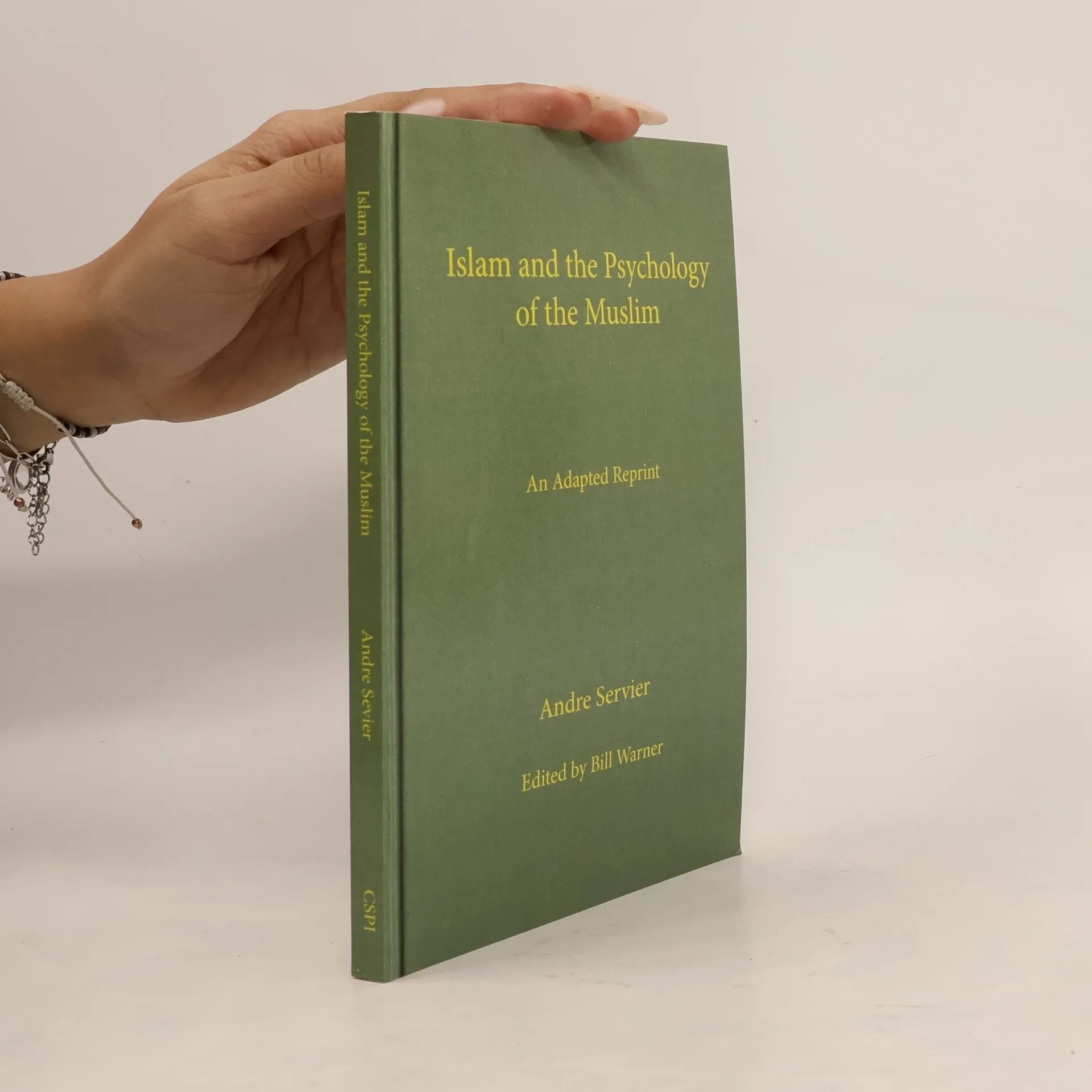
Islam and the Psychology of the Muslim, André Servier, Bill Warner
- Sprache

- Erscheinungsdatum
- 2012
- Einband
- (Paperback)
Hier könnte deine Bewertung stehen.
- Titel
- Islam and the Psychology of the Muslim
- Untertitel
- An Abridged Reprint
- Sprache
- Englisch
- Autor*innen
- André Servier, Bill Warner
- Verlag
- CSPI
- Erscheinungsdatum
- 2012
- Einband
- Paperback
- Seitenzahl
- 184
- ISBN10
- 1936659158
- ISBN13
- 9781936659159
- Reihe
- Kategorien
- Schlagwörter
- Bewertung
- 4,1 von 5 Sternen
- Beschreibung
- Islam and the Psychology of the Muslim is a jewel from the early 20th century, written before the disaster of modern, politically correct thought control. The author, Andre Sevier, was a scholar of Islamic doctrine and its political history. So in clear, concise prose, he explains how Mohammed was a product of Arabian culture and presents an excellent short history of Islam. The most interesting aspect of Servier's book is his explanation of how the doctrine of Islam shapes a Muslim's personality. Islam determines both the thought and emotions of the believer. However, in the end, Mr. Sevier repeats an old error. After cataloging the suffering caused by the doctrine of Islam, he still believes that Westerners can deal with Islamic nations in some clever way that will prevent the ideology from harming humanity. Nearly a century, later we find Western intellectuals continue to make this same mistake.