

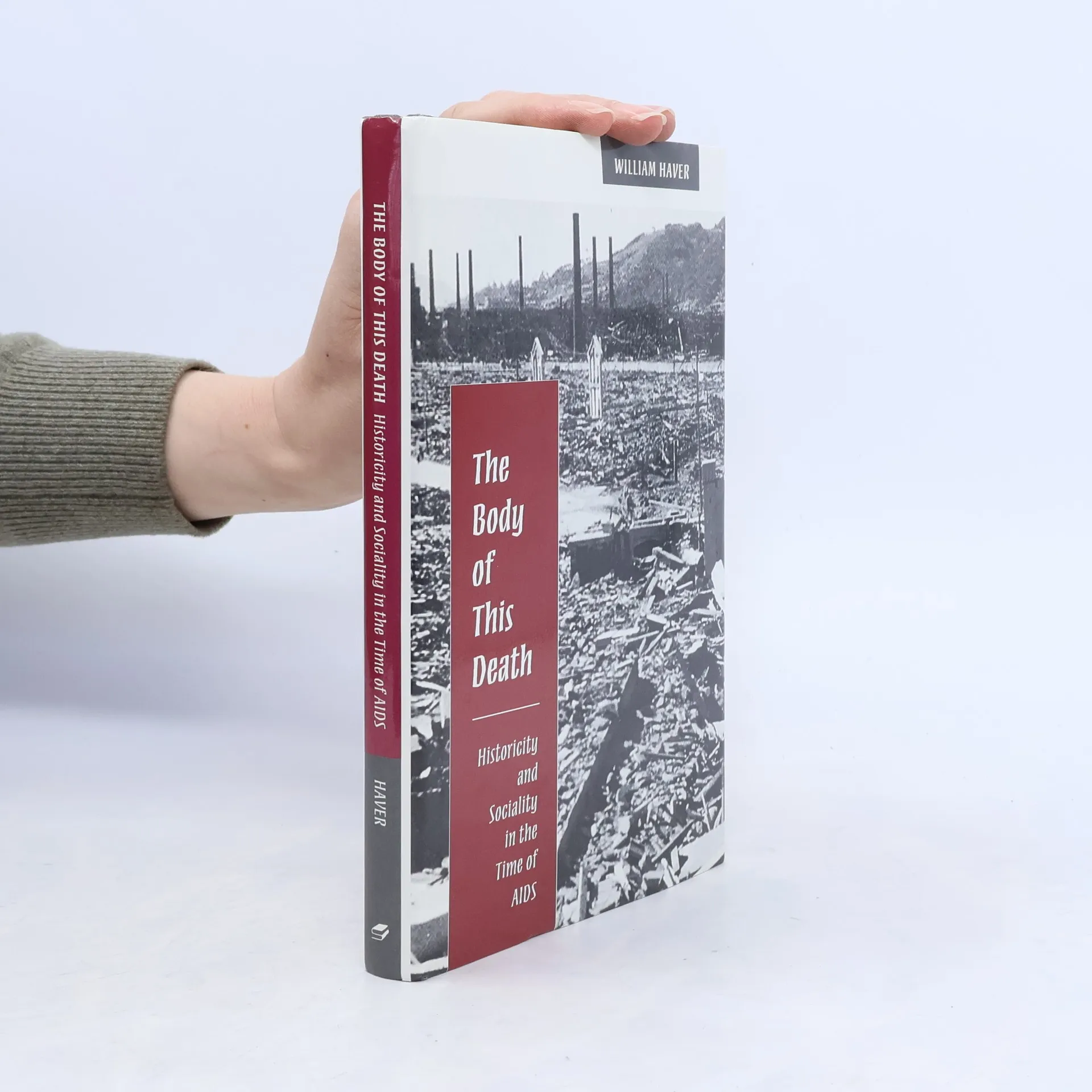
The Body of This Death
Historicity and Sociality in the Time of AIDS
Autor*innen
Mehr zum Buch
Examining the AIDS pandemic and Japanese A-bomb literature, this book asks the question of how the experience of unimaginable and unrepresentable loss affects the experience and constitution of the social and the discourses of history. It argues that those objects which are presumptively given to thought under the rubrics of “AIDS” and “Hiroshima/Nagasaki” pose an essential threat, in their existentiality, to conceptual thought and, ultimately, to rationality altogether. It therefore argues that any serious thinking about AIDS and nuclear terror must think the essential insufficiency of thought to its putative objects—the insufficiency of “society” to think sociality, the insufficiency of “history” to think historicity. The author first attempts to think the incapacity of every invocation of historical consciousness (or, indeed, of “history” itself) to think the existential historicity of that event which is presumptively not only its object but its ground. Readings of works by Nishida Kitaro, Ota Yoko, and Takenishi Hiroko written in the aftermath of Hiroshima and Nagasaki attempt to mark the limit of historical consciousness. The author then considers erotic sociality in the time of AIDS, specifically as articulated in texts by David Wojnarowicz, focusing on the themes of vulnerability, anonymity, the erotic, and nomadism.
Buchkauf
The Body of This Death, William Wendell Haver
- Sprache

- Erscheinungsdatum
- 1996
- Einband
- (Hardcover)
Keiner hat bisher bewertet.
- Titel
- The Body of This Death
- Untertitel
- Historicity and Sociality in the Time of AIDS
- Sprache
- Englisch
- Autor*innen
- William Wendell Haver
- Erscheinungsdatum
- 1996
- Einband
- Hardcover
- Seitenzahl
- 244
- ISBN10
- 0804727163
- ISBN13
- 9780804727167
- Reihe
- Kategorien
- Schlagwörter
- Historisches Thema, Psychologische Thematik
- Beschreibung
- Examining the AIDS pandemic and Japanese A-bomb literature, this book asks the question of how the experience of unimaginable and unrepresentable loss affects the experience and constitution of the social and the discourses of history. It argues that those objects which are presumptively given to thought under the rubrics of “AIDS” and “Hiroshima/Nagasaki” pose an essential threat, in their existentiality, to conceptual thought and, ultimately, to rationality altogether. It therefore argues that any serious thinking about AIDS and nuclear terror must think the essential insufficiency of thought to its putative objects—the insufficiency of “society” to think sociality, the insufficiency of “history” to think historicity. The author first attempts to think the incapacity of every invocation of historical consciousness (or, indeed, of “history” itself) to think the existential historicity of that event which is presumptively not only its object but its ground. Readings of works by Nishida Kitaro, Ota Yoko, and Takenishi Hiroko written in the aftermath of Hiroshima and Nagasaki attempt to mark the limit of historical consciousness. The author then considers erotic sociality in the time of AIDS, specifically as articulated in texts by David Wojnarowicz, focusing on the themes of vulnerability, anonymity, the erotic, and nomadism.