


Mehr zum Buch
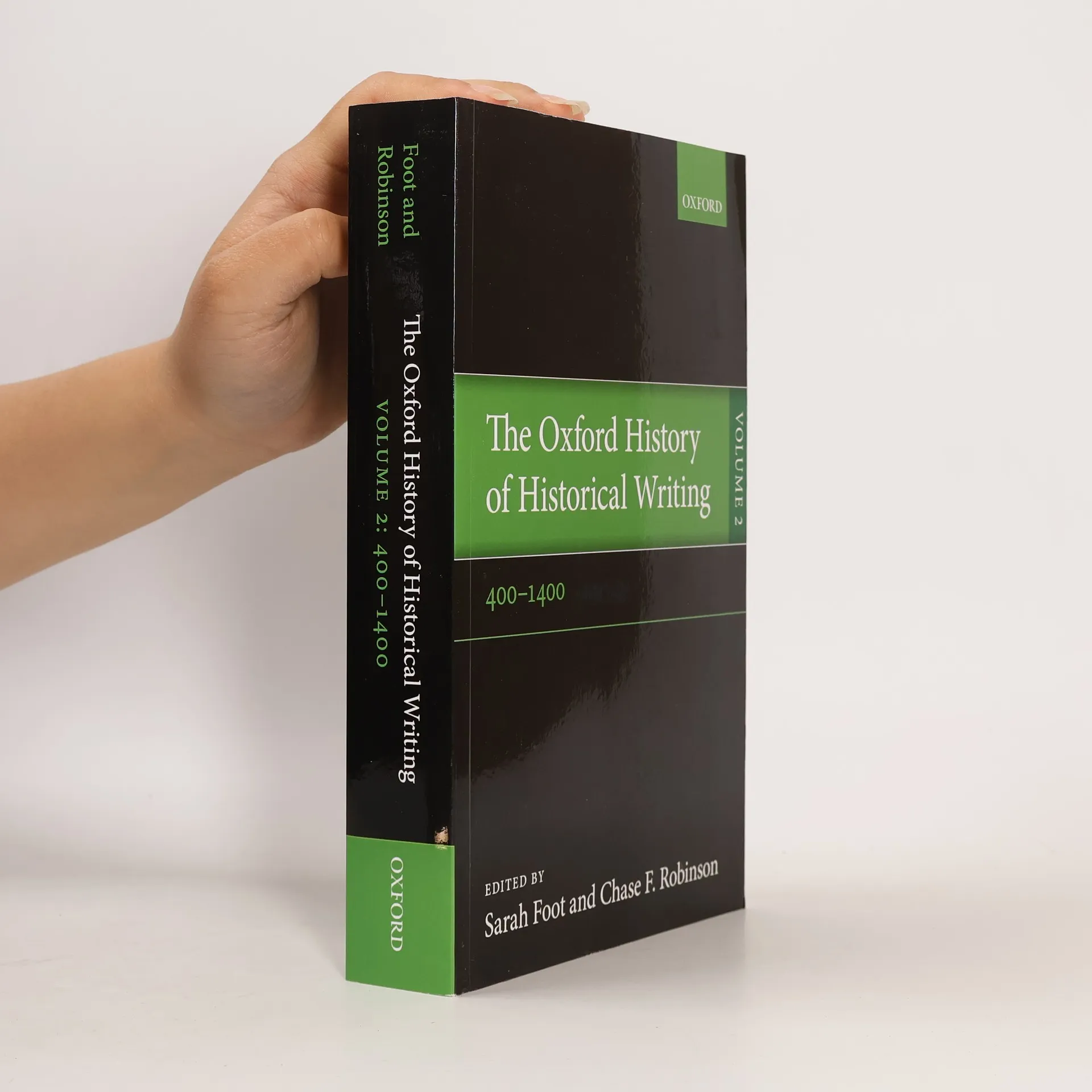
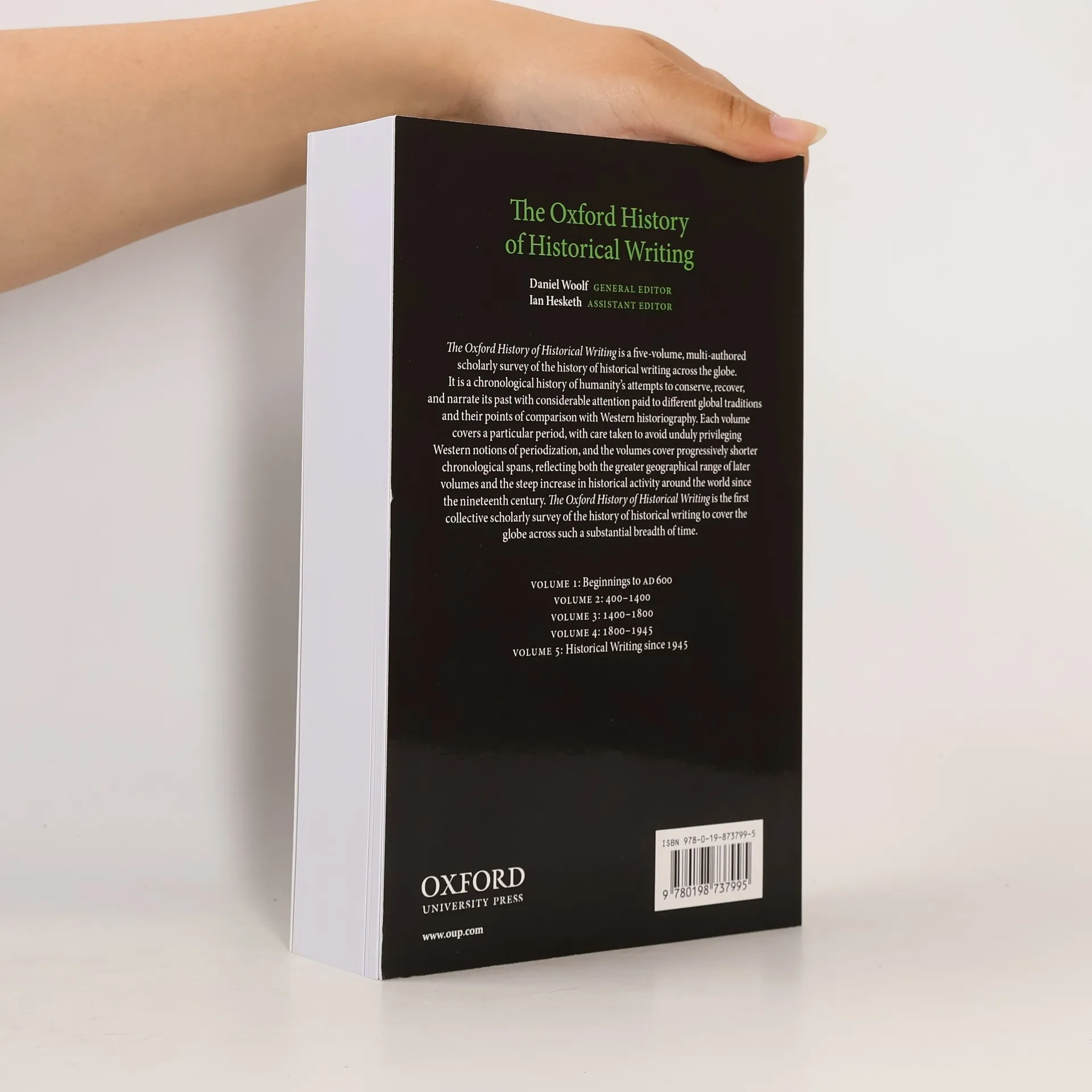
How was history written in Europe and Asia between 400-1400? How was the past understood in religious, social and political terms? And in what ways does the diversity of historical writing in this period mask underlying commonalities in narrating the past? The volume, which assembles 28 contributions from leading historians, tackles these and other questions. Part I provides comprehensive overviews of the development of historical writing in societies that range from the Korean Peninsula to north-west Europe, which together highlight regional and cultural distinctiveness. Part II complements the first part by taking a thematic and comparative approach; it includes essays on genre, warfare, and religion (amongst others) which address common concerns of historians working in this liminal period before the globalizing forces of the early modern world.
Buchkauf
The Oxford History of Historical Writing, Sarah Foot, Chase F Robinson, Daniel Woolf, Ian Hesketh
- Sprache

- Erscheinungsdatum
- 2015
- Einband
- (Paperback)
Keiner hat bisher bewertet.
- Titel
- The Oxford History of Historical Writing
- Untertitel
- 400-1400
- Sprache
- Englisch
- Autor*innen
- Sarah Foot, Chase F Robinson, Daniel Woolf, Ian Hesketh
- Verlag
- Oxford University Press
- Erscheinungsdatum
- 2015
- Einband
- Paperback
- Seitenzahl
- 670
- ISBN10
- 0198737998
- ISBN13
- 9780198737995
- Reihe
- Schlagwörter
- Historisches Thema, Literarische Kritik, Historiographie
- Beschreibung
- How was history written in Europe and Asia between 400-1400? How was the past understood in religious, social and political terms? And in what ways does the diversity of historical writing in this period mask underlying commonalities in narrating the past? The volume, which assembles 28 contributions from leading historians, tackles these and other questions. Part I provides comprehensive overviews of the development of historical writing in societies that range from the Korean Peninsula to north-west Europe, which together highlight regional and cultural distinctiveness. Part II complements the first part by taking a thematic and comparative approach; it includes essays on genre, warfare, and religion (amongst others) which address common concerns of historians working in this liminal period before the globalizing forces of the early modern world.