

Parameter
- 280 Seiten
- 10 Lesestunden
Mehr zum Buch
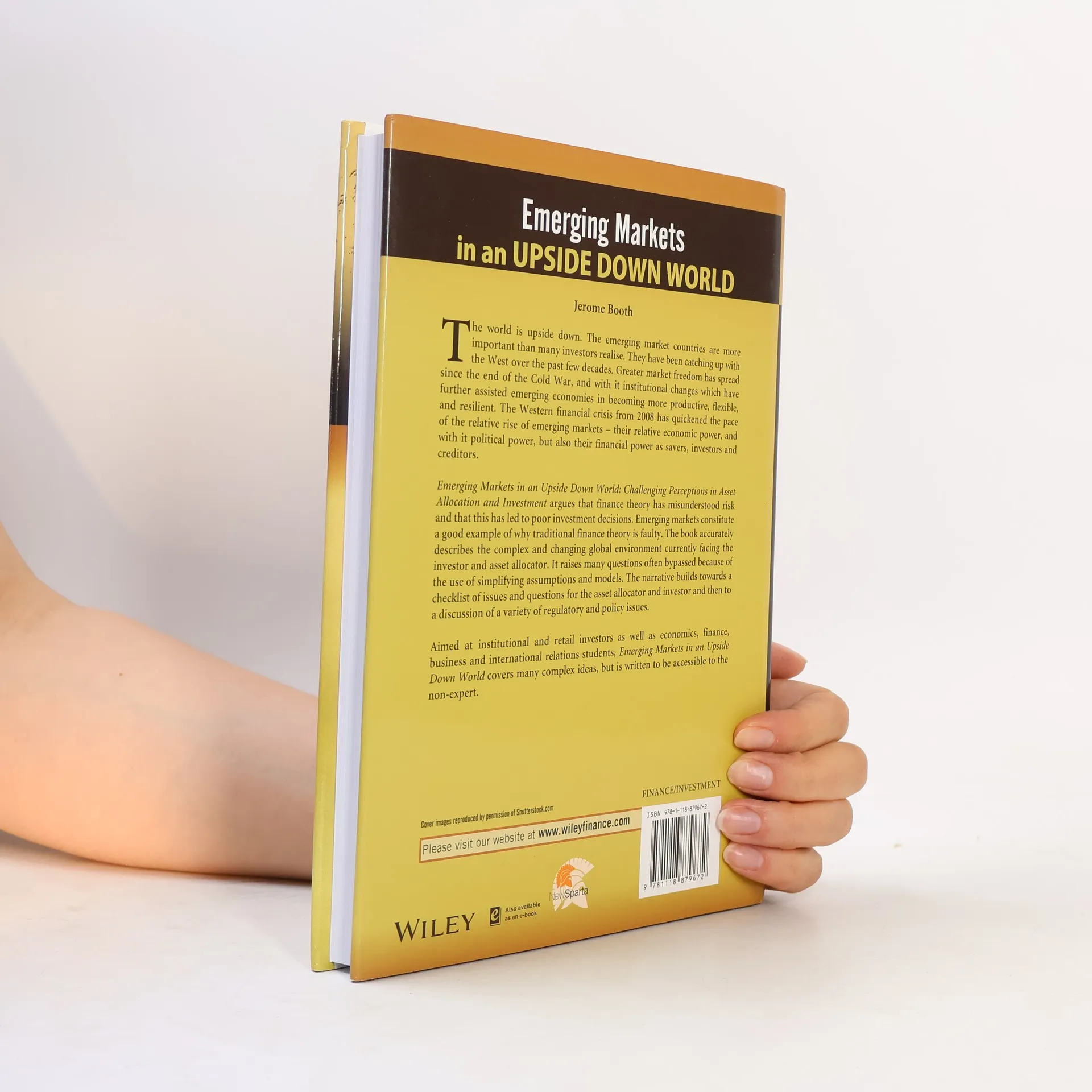
The world is upside down, with emerging market countries becoming increasingly significant to investors. Over recent decades, these nations have been catching up with the West, aided by greater market freedom and institutional changes since the Cold War, which have enhanced their productivity, flexibility, and resilience. The 2008 Western financial crisis has accelerated the rise of emerging markets in terms of economic, political, and financial power as savers, investors, and creditors. This book argues that traditional finance theory has misunderstood risk, leading to poor investment decisions, and uses emerging markets to illustrate these shortcomings. It provides an insightful description of the complex and evolving global landscape for investors and asset allocators, raising critical questions often overlooked due to simplifying assumptions and models. The narrative culminates in a checklist of issues for asset allocators and investors, along with a discussion of various regulatory and policy matters. Targeted at institutional and retail investors, as well as students in economics, finance, business, and international relations, the book addresses complex ideas while remaining accessible to non-experts.
Buchkauf
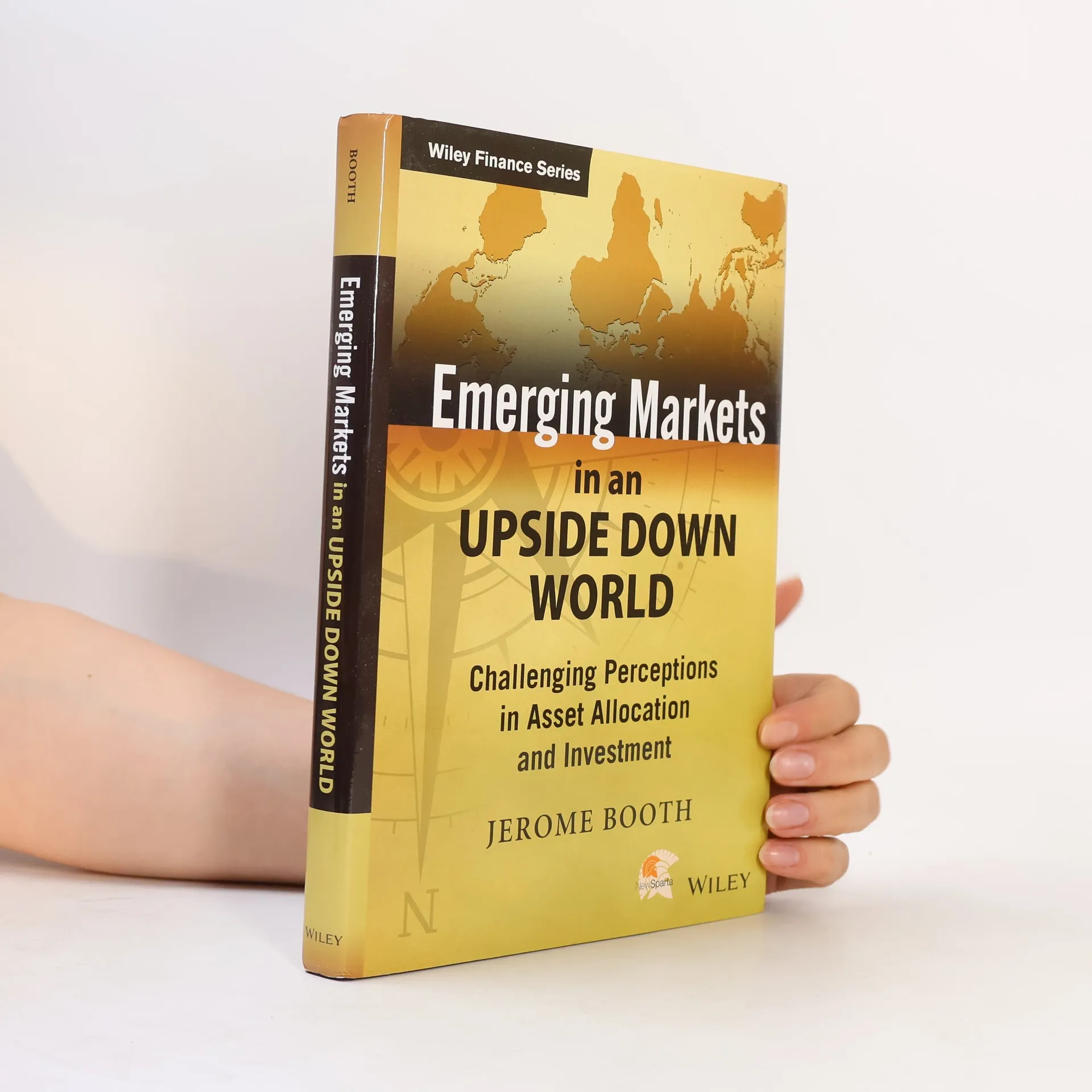
Wiley Finance Series: Emerging Markets in an Upside Down World, Jerome Booth
- Sprache

- Erscheinungsdatum
- 2014
- Einband
- (Hardcover)
Keiner hat bisher bewertet.
- Titel
- Wiley Finance Series: Emerging Markets in an Upside Down World
- Untertitel
- Challenging Perceptions in Asset Allocation and Investment
- Sprache
- Englisch
- Autor*innen
- Jerome Booth
- Verlag
- John Wiley & Sons Inc
- Erscheinungsdatum
- 2014
- Einband
- Hardcover
- Seitenzahl
- 280
- ISBN10
- 1118879678
- ISBN13
- 9781118879672
- Reihe
- Schlagwörter
- Handel, Finanzen, Internationale Beziehungen, Investieren
- Beschreibung
- The world is upside down, with emerging market countries becoming increasingly significant to investors. Over recent decades, these nations have been catching up with the West, aided by greater market freedom and institutional changes since the Cold War, which have enhanced their productivity, flexibility, and resilience. The 2008 Western financial crisis has accelerated the rise of emerging markets in terms of economic, political, and financial power as savers, investors, and creditors. This book argues that traditional finance theory has misunderstood risk, leading to poor investment decisions, and uses emerging markets to illustrate these shortcomings. It provides an insightful description of the complex and evolving global landscape for investors and asset allocators, raising critical questions often overlooked due to simplifying assumptions and models. The narrative culminates in a checklist of issues for asset allocators and investors, along with a discussion of various regulatory and policy matters. Targeted at institutional and retail investors, as well as students in economics, finance, business, and international relations, the book addresses complex ideas while remaining accessible to non-experts.