

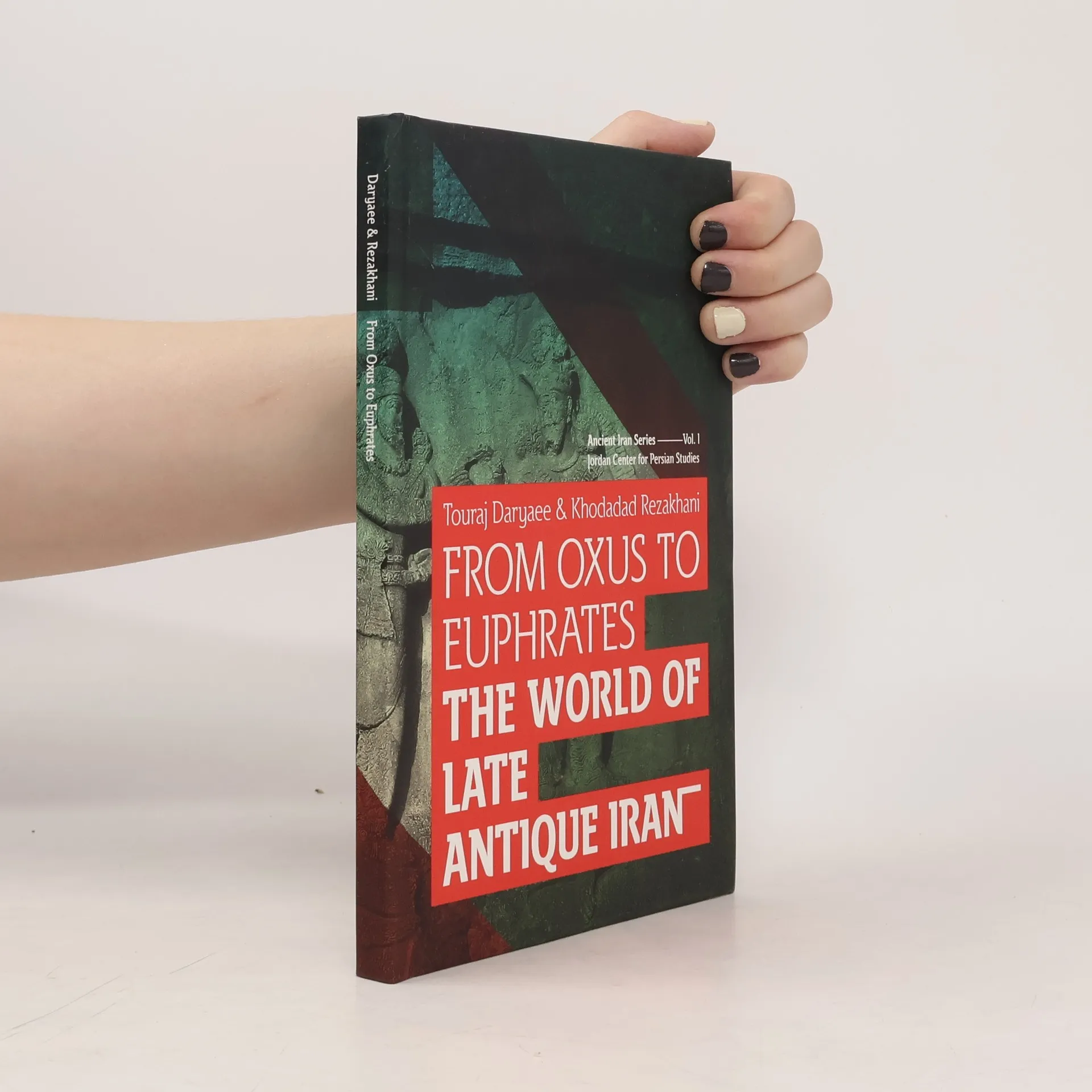
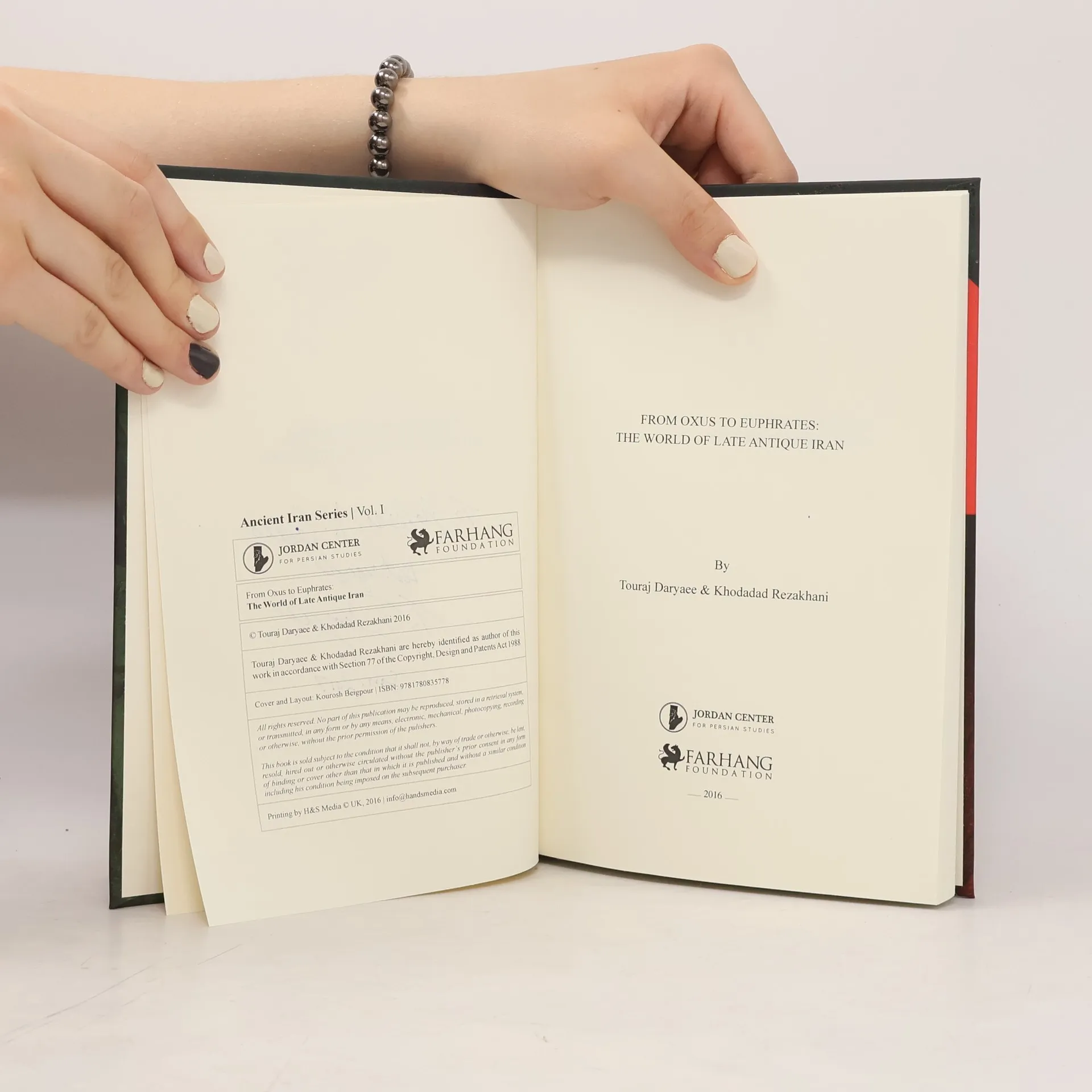
From Oxus to Euphrates
The World of Late Antique Iran
Autor*innen
Mehr zum Buch
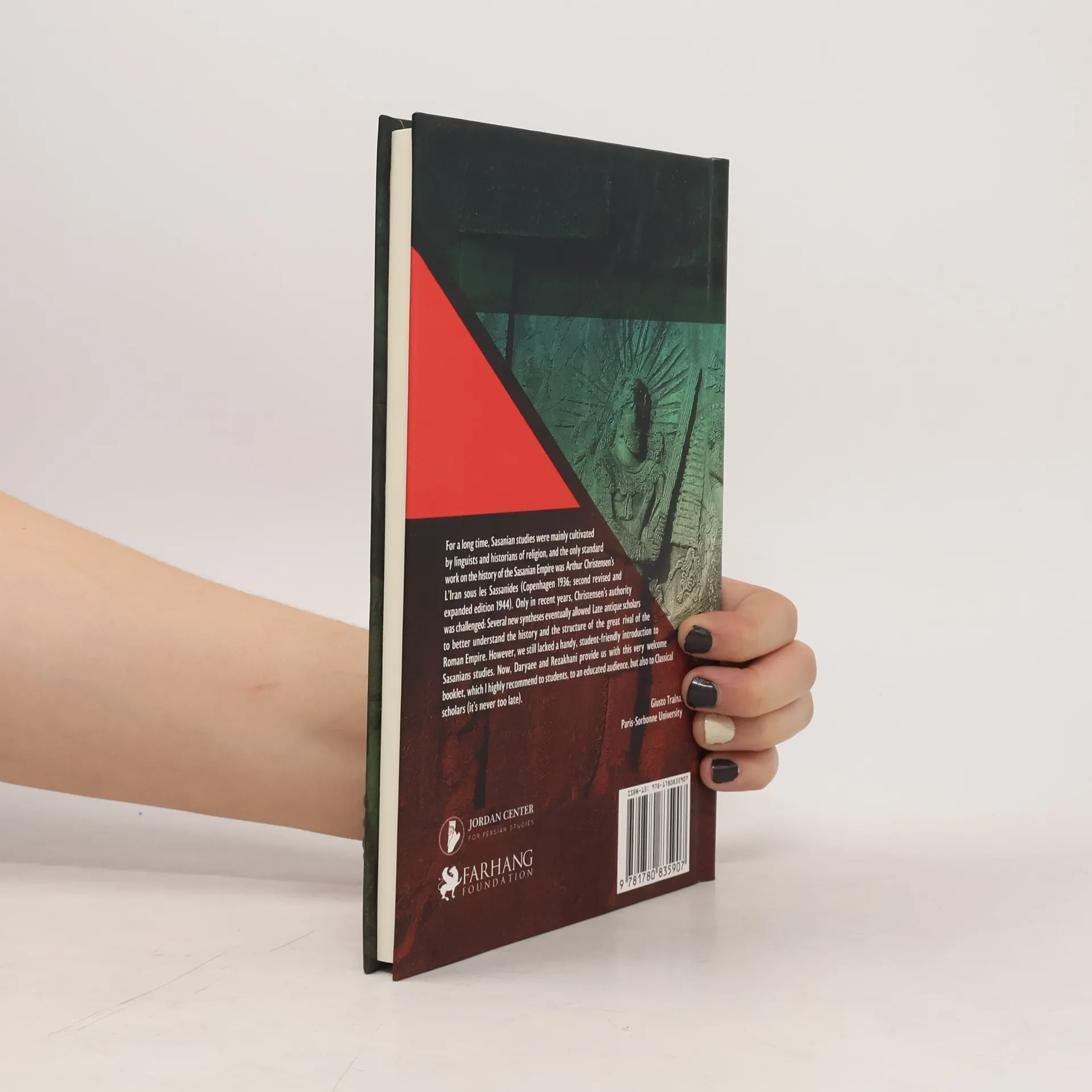
For a long time, Sasanian studies were mainly cultivated by linguists and historians of religion, and the only standard work on the history of the Sasanian Empire was Arthur Christensen's L'Iran sous les Sassanides (Copenhagen 1936; second revised and expanded edition 1944). Only in recent years, Christensen's authority was challenged: Several new syntheses eventually allowed Late antique scholars to better understand the history and the structure of the great rival of the Roman Empire. However, we still lacked a handy, student-friendly introduction to Sasanians studies. Now, Daryaee and Rezakhani provide us with this very welcome booklet, which I highly recommend to students, to an educated audience, but also to Classical scholars (it's never too late). Giusto Traina, Paris-Sorbonne University
Buchkauf
From Oxus to Euphrates, Touraj Daryaee, Khododad Rezakhani
- Sprache

- Erscheinungsdatum
- 2016
- Einband
- (Hardcover)
Keiner hat bisher bewertet.
- Titel
- From Oxus to Euphrates
- Untertitel
- The World of Late Antique Iran
- Sprache
- Englisch
- Autor*innen
- Touraj Daryaee, Khododad Rezakhani
- Verlag
- H&S Media
- Erscheinungsdatum
- 2016
- Einband
- Hardcover
- Seitenzahl
- 124
- ISBN10
- 1780835906
- ISBN13
- 9781780835907
- Reihe
- Schlagwörter
- Historisches Thema, Altertum, Iran, Spätantike
- Beschreibung
- For a long time, Sasanian studies were mainly cultivated by linguists and historians of religion, and the only standard work on the history of the Sasanian Empire was Arthur Christensen's L'Iran sous les Sassanides (Copenhagen 1936; second revised and expanded edition 1944). Only in recent years, Christensen's authority was challenged: Several new syntheses eventually allowed Late antique scholars to better understand the history and the structure of the great rival of the Roman Empire. However, we still lacked a handy, student-friendly introduction to Sasanians studies. Now, Daryaee and Rezakhani provide us with this very welcome booklet, which I highly recommend to students, to an educated audience, but also to Classical scholars (it's never too late). Giusto Traina, Paris-Sorbonne University