

Mehr zum Buch
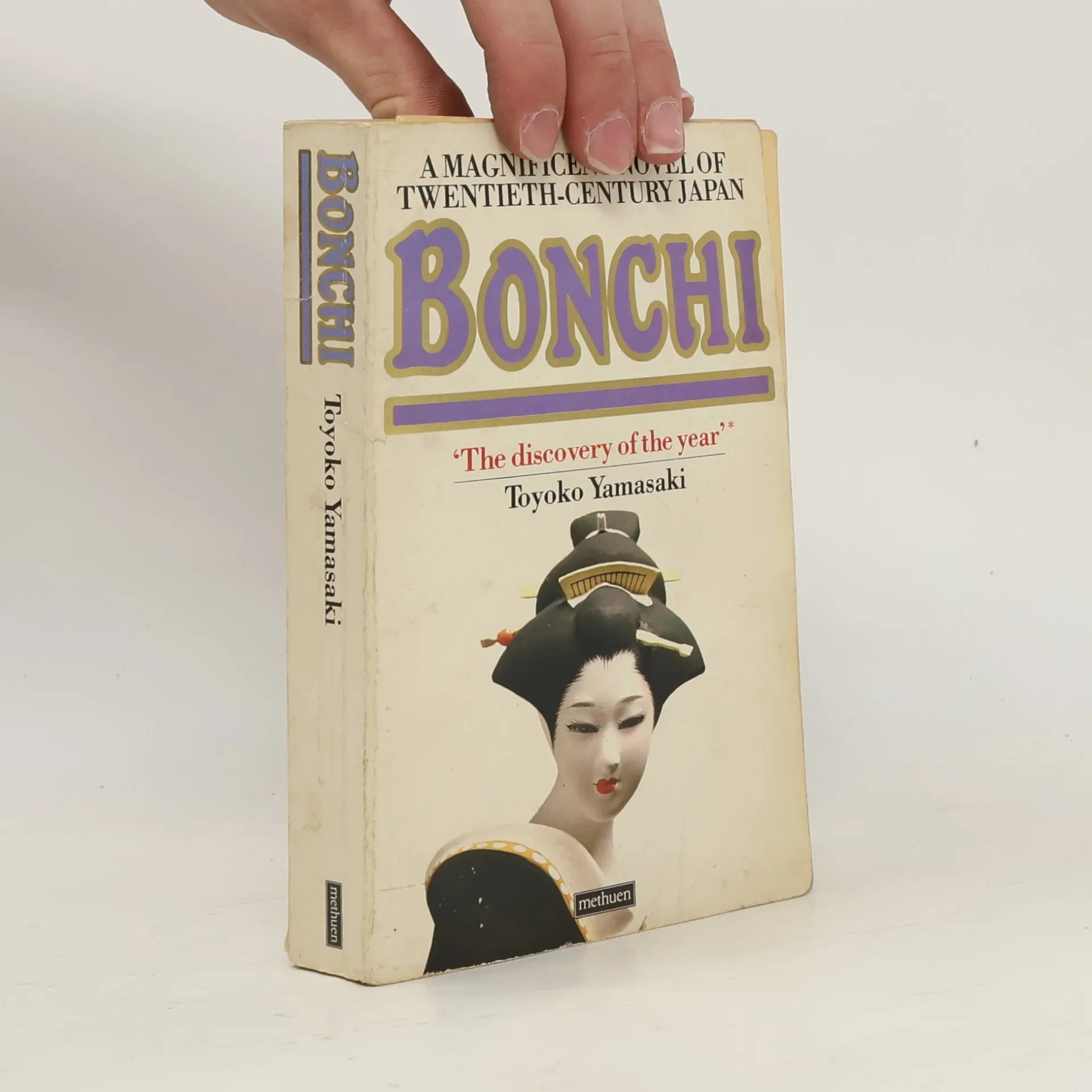
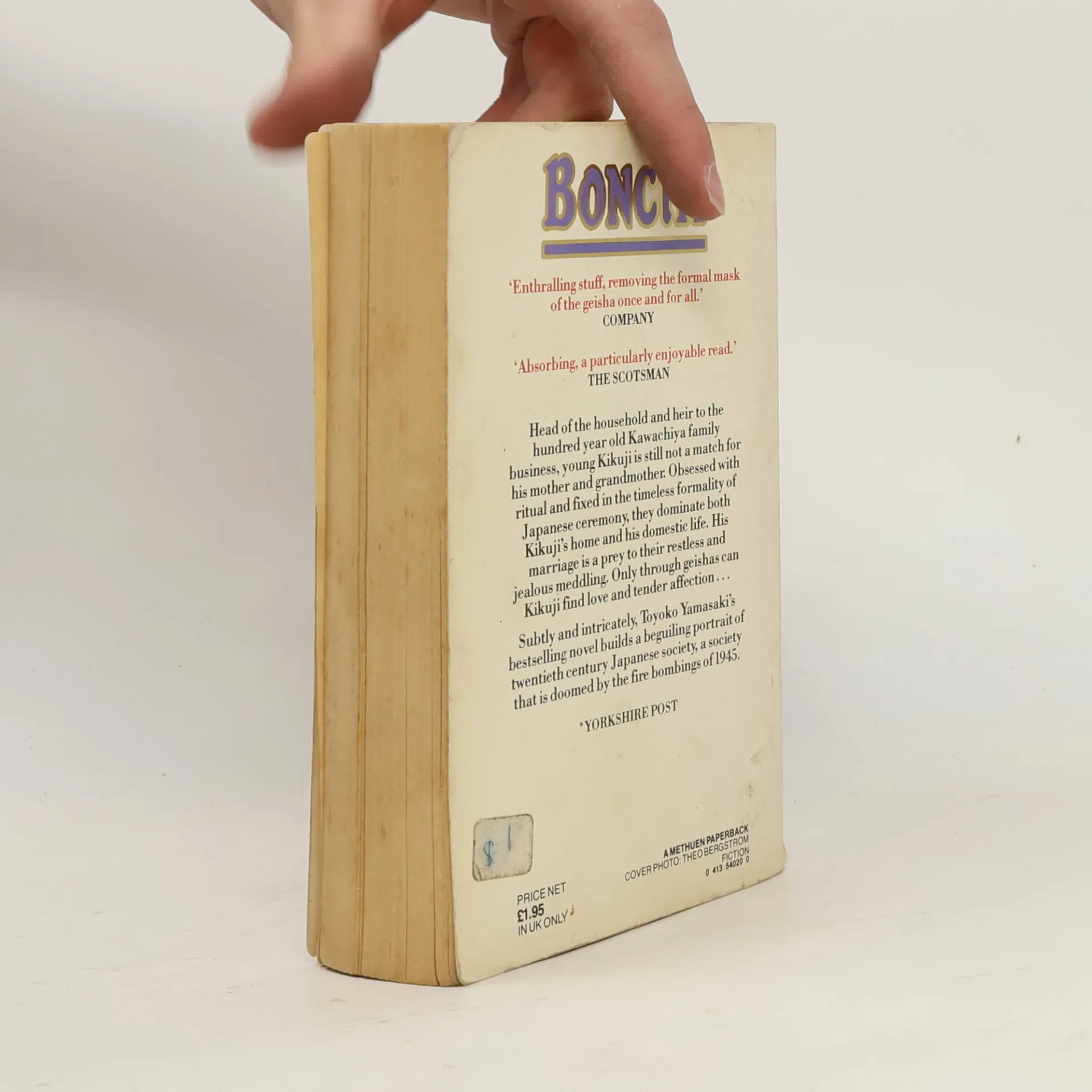
Bonchi is the story of Kikuji, the handsome and profligate heir to an established commercial house. When his father dies, young Kikuji becomes bonchi, boss of the firm. He is adroit at business but helpless at taking charge of his personal life. Domestic control has for generations been a maternal prerogative in his family. Once he passes beneath the crested banner separating store from house, Kikuji is in a matriarchal world. His mother and grandmother arrange and then destroy his marriage and intend to go on manipulating even his most intimate affairs. Because he cannot resist maternal interference at home, he seeks relief from it in the pleasure quarter, where mastery of women is a simple financial affair. As the years pass and his business prospers, Kikuji spends lavishly, becoming a teahouse connoisseur. With each beautiful mistress he acquires, his prestige rises, but he remains emotionally barren and vaguely discontent. His compulsion for independence becomes mere aimlessness, and his desire for self-determination degenerates into subtle opportunism. The fundamental conflict between individual freedom and responsibility to others so prevalent in Japanese writing is presented here with fresh urgency and grace.
Buchkauf
Bonchi, Toyoko Yamazaki
- Sprache

- Erscheinungsdatum
- 1982
- Einband
- (Paperback)
Keiner hat bisher bewertet.
- Titel
- Bonchi
- Sprache
- Englisch
- Autor*innen
- Toyoko Yamazaki
- Verlag
- Methuen Publishing
- Erscheinungsdatum
- 1982
- Einband
- Paperback
- Seitenzahl
- 404
- ISBN10
- 0413540200
- ISBN13
- 9780413540201
- Reihe
- Kategorien
- Schlagwörter
- Psychologische Thematik, Familie, Beziehungen, Japan, Soziale Probleme
- Beschreibung
- Bonchi is the story of Kikuji, the handsome and profligate heir to an established commercial house. When his father dies, young Kikuji becomes bonchi, boss of the firm. He is adroit at business but helpless at taking charge of his personal life. Domestic control has for generations been a maternal prerogative in his family. Once he passes beneath the crested banner separating store from house, Kikuji is in a matriarchal world. His mother and grandmother arrange and then destroy his marriage and intend to go on manipulating even his most intimate affairs. Because he cannot resist maternal interference at home, he seeks relief from it in the pleasure quarter, where mastery of women is a simple financial affair. As the years pass and his business prospers, Kikuji spends lavishly, becoming a teahouse connoisseur. With each beautiful mistress he acquires, his prestige rises, but he remains emotionally barren and vaguely discontent. His compulsion for independence becomes mere aimlessness, and his desire for self-determination degenerates into subtle opportunism. The fundamental conflict between individual freedom and responsibility to others so prevalent in Japanese writing is presented here with fresh urgency and grace.