



Mehr zum Buch
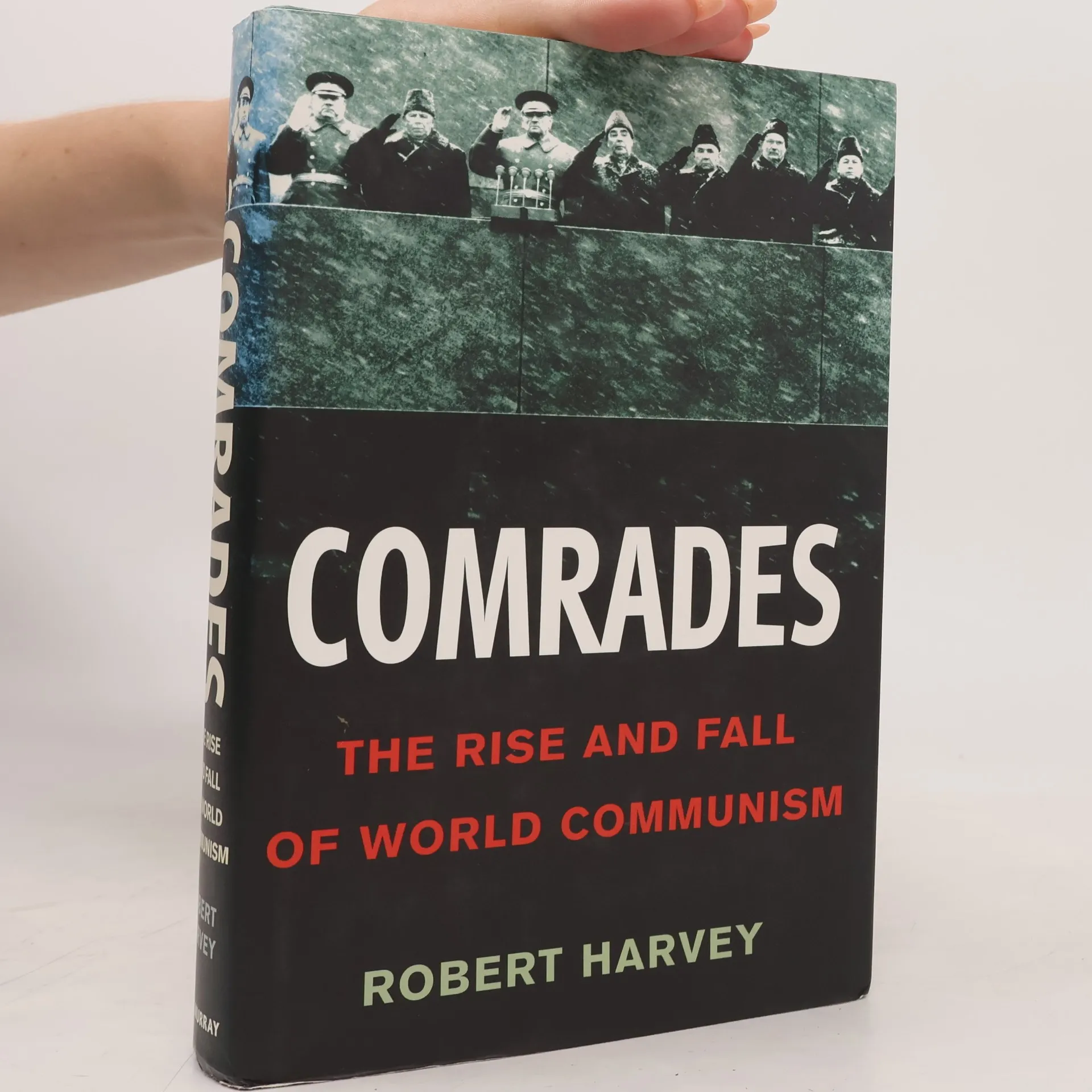
Today, global communism appears as a grim historical memory, comparable to the horrors of Nazism and the Holocaust. Just over a decade ago, authoritarian leaders maintained "workers' paradises," while millions suffered under a system that enforced mind control and brutal repression in the name of "progress." The world once faced the threat of revolutionary movements, bolstered by military power and the specter of nuclear war. In the 1970s, the fall of South Vietnam, Cambodia, and Laos suggested the unstoppable spread of Marxism-Leninism. Yet, less than twenty years later, this experiment collapsed, leaving approximately 100 million dead and widespread economic ruin. Even China has shifted towards free-market principles, with communism now lingering only in a few isolated regions. This narrative history explores the reasons behind communism's rise in countries transitioning from feudalism or colonialism to modernity, rather than in developed nations as Marx predicted. It questions whether coercion and state planning were the only viable paths for these nations. The book also delves into communism's appeal, even among astute Western observers, and examines its rapid growth and sudden decline. Robert Harvey presents a sweeping account of human idealism, cruelty, suffering, and courage, offering a compelling analysis of this complex phenomenon.
Buchkauf
Comrades, Robert Harvey
- Sprache

- Erscheinungsdatum
- 2003
- Einband
- (Hardcover),
- Buchzustand
- Gebraucht - Gut
- Preis
- 1,19 €inkl. MwSt.
Keiner hat bisher bewertet.
- Titel
- Comrades
- Untertitel
- The Rise and Fall of World Communism
- Sprache
- Englisch
- Autor*innen
- Robert Harvey
- Verlag
- John Murray
- Erscheinungsdatum
- 2003
- Einband
- Hardcover
- Seitenzahl
- 422
- ISBN10
- 0719561477
- ISBN13
- 9780719561474
- Reihe
- Schlagwörter
- Historisches Thema, Politik, Russland, Politische Theorien, Kommunismus
- Beschreibung
- Today, global communism appears as a grim historical memory, comparable to the horrors of Nazism and the Holocaust. Just over a decade ago, authoritarian leaders maintained "workers' paradises," while millions suffered under a system that enforced mind control and brutal repression in the name of "progress." The world once faced the threat of revolutionary movements, bolstered by military power and the specter of nuclear war. In the 1970s, the fall of South Vietnam, Cambodia, and Laos suggested the unstoppable spread of Marxism-Leninism. Yet, less than twenty years later, this experiment collapsed, leaving approximately 100 million dead and widespread economic ruin. Even China has shifted towards free-market principles, with communism now lingering only in a few isolated regions. This narrative history explores the reasons behind communism's rise in countries transitioning from feudalism or colonialism to modernity, rather than in developed nations as Marx predicted. It questions whether coercion and state planning were the only viable paths for these nations. The book also delves into communism's appeal, even among astute Western observers, and examines its rapid growth and sudden decline. Robert Harvey presents a sweeping account of human idealism, cruelty, suffering, and courage, offering a compelling analysis of this complex phenomenon.